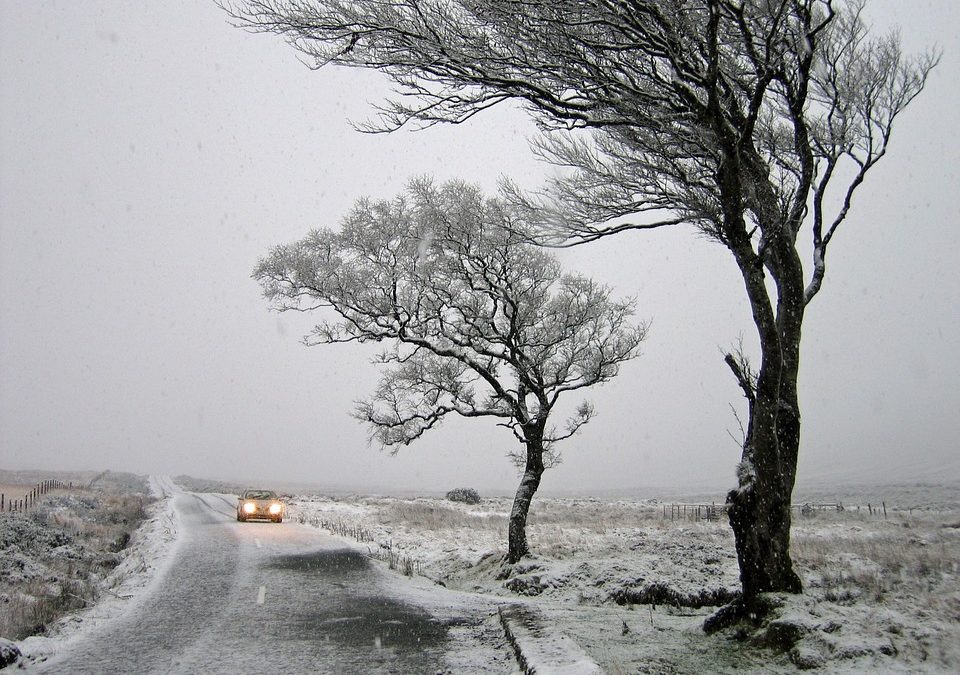
 Driving in winter weather demands a heightened level of attention and preparedness to ensure both your safety and the safety of others on the road. One key tip is to adjust your driving speed according to the conditions. Snow and ice significantly reduce traction, making roads slippery and increasing the risk of accidents. Slowing down allows for better control of your vehicle, giving you more time to react to unexpected situations. It’s crucial to drive below the speed limit in adverse weather conditions and to maintain a safe following distance to prevent collisions, allowing sufficient space for braking on icy surfaces.
Make sure your Vehicle is Ready for the Winter Weather
Ensuring your vehicle is winter-ready is equally important. Start with the tires, as they are your car’s direct contact with the road. Consider switching to winter tires designed to provide better traction in colder temperatures. Check tire pressure regularly and maintain proper tread depth. Routine vehicle maintenance is essential, focusing on the battery, brakes, lights, and fluids. Cold weather can strain the battery, so ensure it’s in good condition and replace it if needed. Top up windshield washer fluid with a winter-grade solution to prevent freezing, and keep your gas tank at least half full to avoid fuel line freeze-up. Equipping your vehicle with an emergency kit containing essentials like blankets, a flashlight, non-perishable snacks, and a snow shovel adds an extra layer of preparedness for unexpected situations on winter roads.
Adjust some Driving habits
Staying informed about weather conditions is a critical aspect of safe winter driving. Check the weather forecast before embarking on a journey and stay updated on any advisories or warnings. If conditions are severe, consider delaying your trip until the weather improves. Alternatively, explore alternative transportation methods that may be better equipped to handle challenging weather. Another essential tip is to avoid using cruise control on snowy or icy roads. Cruise control can hinder your ability to react quickly to changing road conditions, increasing the risk of accidents. Maintain manual control over your speed and use caution when accelerating or decelerating. Pay particular attention to bridges, overpasses, and shaded areas, as these spots tend to freeze first. Approach these areas with reduced speed and avoid sudden movements to minimize the risk of skidding. By following these tips, you can navigate winter roads more safely and reduce the likelihood of weather-related accidents.