What an Engine Misfire Feels Like & Possible Causes
If your vehicle starts shaking, hesitating, or losing power, you may be experiencing an engine misfire. While it might seem like a minor inconvenience, an engine misfire is a warning that something is wrong inside your engine. Ignoring it can lead to more significant issues and costly repairs.
An engine misfire occurs when one or more cylinders fail to ignite the air-fuel mixture properly. When combustion doesn’t happen consistently, your engine cannot deliver smooth, reliable power. The result is noticeable performance issues that affect drivability, fuel efficiency, and safety.
Understanding what an engine misfire feels like and what can cause it helps you act quickly before small problems turn into major repairs.
Symptoms of an Engine Misfire
Symptoms of an engine misfire can vary depending on the severity and cause, but there are several common signs to watch for.
Rough Idling
One of the most noticeable signs of an engine misfire is rough idling. When your vehicle is stopped, the engine may vibrate or shake more than usual. You may feel a stutter or stumble as the engine tries to maintain a steady rhythm.
Hesitation During Acceleration
If your vehicle hesitates, jerks, or responds slowly when pressing the gas pedal, it may be due to an engine misfire. Power delivery can feel uneven, especially when merging onto highways or climbing hills.
Loss of Power
A misfiring cylinder reduces the engine’s ability to generate full power. You might notice sluggish acceleration or difficulty maintaining speed, which can be especially noticeable under load.
Check Engine Light
Modern vehicles are equipped with onboard diagnostics that detect engine misfires. A flashing check engine light often indicates an active issue that should be addressed promptly to prevent further damage.
Unusual Exhaust Behavior
Unburned fuel can enter the exhaust system when an engine misfire occurs. This may produce popping sounds, a fuel smell, or increased emissions. If left unchecked, it can damage the catalytic converter.
Why You Should Address an Engine Misfire Immediately
Even minor engine misfires should not be ignored. Driving with a misfire can result in:
-
Catalytic converter damage
-
Reduced fuel efficiency
-
Additional engine wear
-
Increased repair costs
The longer you drive with an engine misfire, the higher the risk of serious engine damage.
Common Causes of an Engine Misfire
Engine misfires generally stem from issues in one of four areas: ignition, fuel delivery, air intake, or mechanical problems.
Ignition System Problems
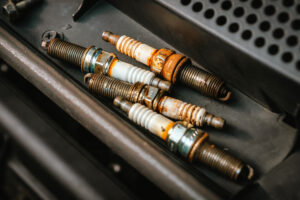 The ignition system generates the spark needed to ignite the air-fuel mixture. Common ignition-related causes of an engine misfire include:
-
Worn spark plugs
-
Faulty ignition coils
-
Damaged spark plug wires
-
Distributor issues (older vehicles)
Worn spark plugs are one of the most frequent causes of an engine misfire, as they lose their ability to generate a strong, consistent spark over time.
Fuel System Issues
Proper fuel delivery is essential for combustion. Problems in the fuel system can trigger an engine misfire: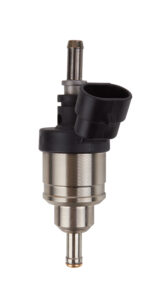
-
Clogged fuel injectors
-
Weak fuel pump
-
Dirty fuel filter
-
Low fuel pressure
When fuel injectors cannot spray evenly, cylinders may misfire under load or acceleration.
Air Intake and Vacuum Leaks
The correct balance of air and fuel is crucial for smooth engine operation. Air-related issues include:
-
Vacuum leaks
-
Failing mass airflow sensor
-
Dirty throttle body
-
Intake manifold gasket leaks
Even a small vacuum leak can create a lean condition, leading to misfires and rough engine performance.
Mechanical Engine Problems
In more severe cases, internal engine problems can cause a misfire:
-
Low cylinder compression
-
Burned valves
-
Worn piston rings
-
Timing belt or chain issues
-
Blown head gasket
These mechanical causes typically require professional inspection and repair.
When Engine Misfires Occur
Noticing when the misfire happens helps narrow down the cause:
-
At idle: Often ignition or vacuum related
-
During acceleration: Frequently fuel delivery or ignition coil issues
-
Under heavy load: Possible compression or mechanical problems
-
When cold: Sensor or enrichment system concerns
Recording the conditions under which the misfire occurs provides valuable clues for accurate diagnosis.
Diagnosing an Engine Misfire
Professional diagnosis typically involves:
-
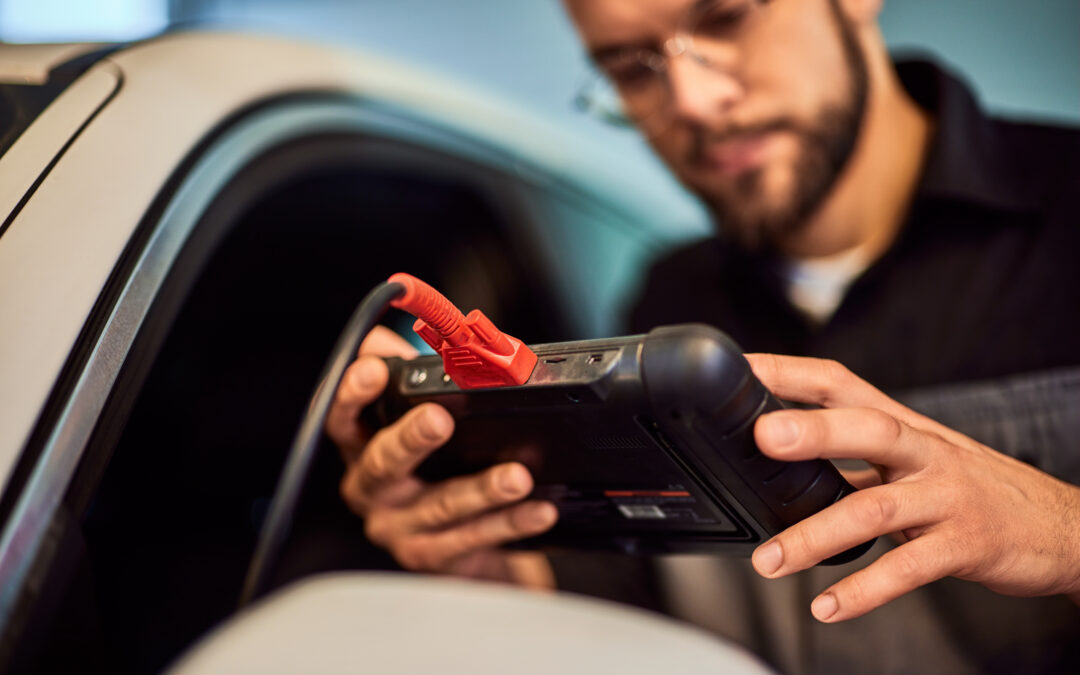
Scanning for diagnostic trouble codes
-
Inspecting spark plugs and ignition components
-
Testing fuel injectors and fuel pressure
-
Checking for vacuum leaks
-
Performing compression or leak-down tests
Accurate diagnostics ensure the actual cause of the engine misfire is addressed, preventing unnecessary part replacements.
Driving With an Engine Misfire
While minor misfires may allow the vehicle to run, extended driving is not recommended. Unburned fuel can overheat and damage the catalytic converter, and ongoing misfires can lead to internal engine wear.
If your check engine light is flashing, you should minimize driving and schedule service immediately.
Preventing Engine Misfires
Routine maintenance is the best way to reduce the risk of engine misfires. Preventive measures include:
-
Replacing spark plugs on schedule
-
Cleaning or servicing fuel injectors
-
Replacing air filters regularly
-
Addressing check engine lights promptly
-
Following manufacturer service schedules
Proactive maintenance keeps your engine running smoothly and prevents costly repairs.
Conclusion: Take Action on Engine Misfires
An engine misfire is a clear signal that your vehicle needs attention. Whether caused by spark plugs, fuel delivery issues, air intake problems, or internal mechanical concerns, early inspection and repair are key to maintaining performance and reliability.
If you notice rough idling, hesitation, loss of power, or a check engine light, schedule an inspection promptly. Drivers near Maplewood can visit our Maplewood location for professional diagnostics and repairs. For those closer to Cottage Grove, our Cottage Grove team is ready to identify the cause of an engine misfire and get your vehicle performing safely again.
Addressing these issues early helps prevent major engine damage and keeps your car running smoothly for years to come.
Further Reading
Car Care Council – Engine Performance Resources
https://www.carcare.org
National Institute for Automotive Service Excellence (ASE)
https://www.ase.com
U.S. Department of Energy – Fuel Efficiency and Vehicle Care
https://www.energy.gov/energysaver
Edmunds – Understanding Your Check Engine Light
https://www.edmunds.com/car-maintenance/what-your-check-engine-light-means.html