

Why Is My Car Shaking When I Drive?
If you’ve ever asked yourself, “why is my car shaking when I drive,” you’re not alone. This is one of the most common issues drivers experience, and it can range from a minor annoyance to a serious safety concern. The key is understanding what’s causing the vibration and how quickly it needs attention.
Car shaking can happen at different speeds, while braking, or even at idle. Each scenario points to a different underlying issue. In this guide, we’ll break down the most common causes, what they mean, and what you should do next.
What Does It Mean When Your Car Is Shaking?
When your car shakes while driving, it typically indicates that something is out of balance, worn out, or failing. Modern vehicles are designed to run smoothly, so any noticeable vibration is a sign that a component is no longer functioning properly.
The most important thing to note is when the shaking happens:
- At high speeds
- While braking
- During acceleration
- At idle
Each of these situations can help narrow down the cause.
Common Causes of Car Shaking When Driving
1. Unbalanced or Misaligned Tires
One of the most frequent answers to “why is my car shaking when I drive” is tire imbalance. Tires that are unevenly weighted can cause noticeable vibration, especially at highway speeds.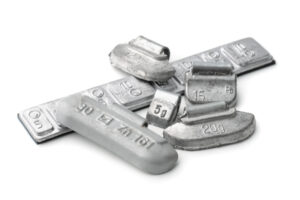
Signs of tire imbalance include:
- Shaking in the steering wheel
- Vibration increasing with speed
- Uneven tire wear
Wheel alignment issues can also cause similar symptoms. When your wheels aren’t aligned properly, your tires don’t make consistent contact with the road, leading to shaking and premature wear.
2. Warped Brake Rotors
If your car shaking happens primarily when you press the brakes, warped brake rotors are a likely culprit.
Brake rotors can warp over time due to heat and wear. When this happens, the brake pads cannot grip evenly, causing a pulsing or shaking sensation.
Common signs include:
- Steering wheel shaking when braking
- Vibrations in the brake pedal
- Longer stopping distances
This is a safety issue and should be addressed as soon as possible.
3. Worn Suspension Components
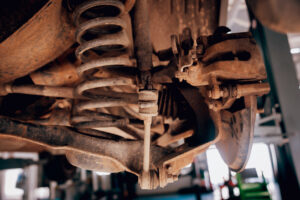 Your suspension system is responsible for keeping your ride smooth and stable. Over time, components like shocks, struts, and bushings wear out.
If you’re wondering why is my car shaking when I drive over bumps or uneven roads, your suspension could be the issue.
Symptoms of suspension problems:
- Excessive bouncing
- Poor handling
- Clunking noises
- Uneven tire wear
Ignoring suspension issues can lead to more expensive repairs and reduced vehicle control.
4. Engine Problems
Sometimes the answer to “why is my car shaking when I drive” isn’t related to the wheels at all—it’s under the hood.
Engine misfires are a common cause of shaking, especially during acceleration or while idling.
Possible causes include:
- Faulty spark plugs
- Ignition coil issues
- Fuel system problems
When the engine isn’t firing correctly, it creates an uneven power output, which results in vibration.
5. Bent Axle or Driveshaft Issues
If you’ve recently hit a pothole, curb, or been in a minor accident, a bent axle could be the reason your car is shaking.
Driveshaft issues can also cause vibrations, particularly at higher speeds.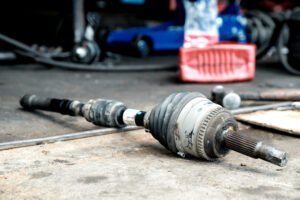
Signs include:
- Consistent vibration while driving
- Shaking that worsens with speed
- Difficulty steering or controlling the vehicle
This type of issue should be inspected immediately, as it can worsen quickly.
6. Tire Damage or Wear
Sometimes the issue is as simple as damaged tires. Flat spots, bubbles, or uneven tread can all cause shaking.
Check for:
- Visible tire damage
- Bald spots or uneven wear
- Low tire pressure
Driving on damaged tires is dangerous and can lead to blowouts.
7. Loose or Worn Wheel Bearings
Wheel bearings allow your wheels to rotate smoothly. When they wear out, they can cause both noise and vibration.
Common symptoms:
- Grinding or humming noise
- Steering wheel vibration
- Shaking that increases with speed
Wheel bearing failure can lead to serious safety risks if left unchecked.
8. Brake Caliper Issues
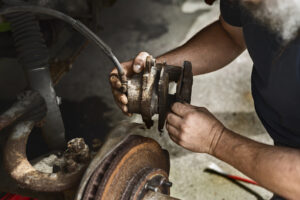 A sticking brake caliper can cause your car to pull to one side and create shaking while driving.
This happens when the brake doesn’t fully release, causing uneven friction.
Signs include:
- Burning smell
- Vehicle pulling to one side
- Reduced fuel efficiency
When Should You Be Concerned?
Not all shaking is immediately dangerous, but it should never be ignored. If you’re asking “why is my car shaking when I drive,” consider how severe and frequent the issue is.
Seek immediate attention if:
- The shaking is getting worse
- It affects steering or braking
- You hear unusual noises
- A warning light appears
Even minor vibrations can develop into major problems if left untreated.
Can You Keep Driving If Your Car Is Shaking?
This depends on the cause. While minor tire imbalance might not be urgent, issues like brake problems or engine misfires should be addressed right away.
Driving with a shaking vehicle can lead to:
- Increased repair costs
- Reduced safety
- Further damage to other components
If you’re unsure, it’s always best to have your vehicle inspected by a professional.
How to Diagnose Car Shaking
If you’re trying to narrow down why your car is shaking when you drive, start by observing:
- When does the shaking happen?
- Does it get worse at higher speeds?
- Does braking make it worse?
- Do you hear any noises?
This information can help a technician quickly identify the issue and recommend the right repair.
How to Prevent Car Shaking
While not all causes are preventable, regular maintenance goes a long way in avoiding this issue.
Preventative steps include:
- Regular tire rotations and balancing
- Routine brake inspections
- Keeping up with alignment checks
- Replacing worn suspension components
- Staying on top of engine maintenance
A well-maintained vehicle is far less likely to develop shaking problems.
Conclusion
If you’ve been wondering why is my car shaking when I drive, the cause could range from something simple like tire imbalance to more serious issues involving your brakes, suspension, or engine. The key is not to ignore the warning signs.
Taking care of the problem early can help you avoid more expensive repairs, improve your vehicle’s performance, and keep you safe on the road. Even small vibrations can quickly turn into bigger issues if left unchecked.
If your vehicle is shaking and you’re not sure why, now is the time to get it looked at by a professional. You can schedule service at our Cottage Grove location here or schedule service at our Maplewood location here to have a trusted technician diagnose the issue and get you back to a smooth, safe ride.
Further Reading
- National Highway Traffic Safety Administration – Vehicle Maintenance
https://www.nhtsa.gov/road-safety/vehicle-safety - Car Care Council – Vehicle Care Guide
https://www.carcare.org/car-care-guide/ - AAA – Signs Your Car Needs Repair
https://exchange.aaa.com/automotive/repair/signs-your-car-needs-repair/