
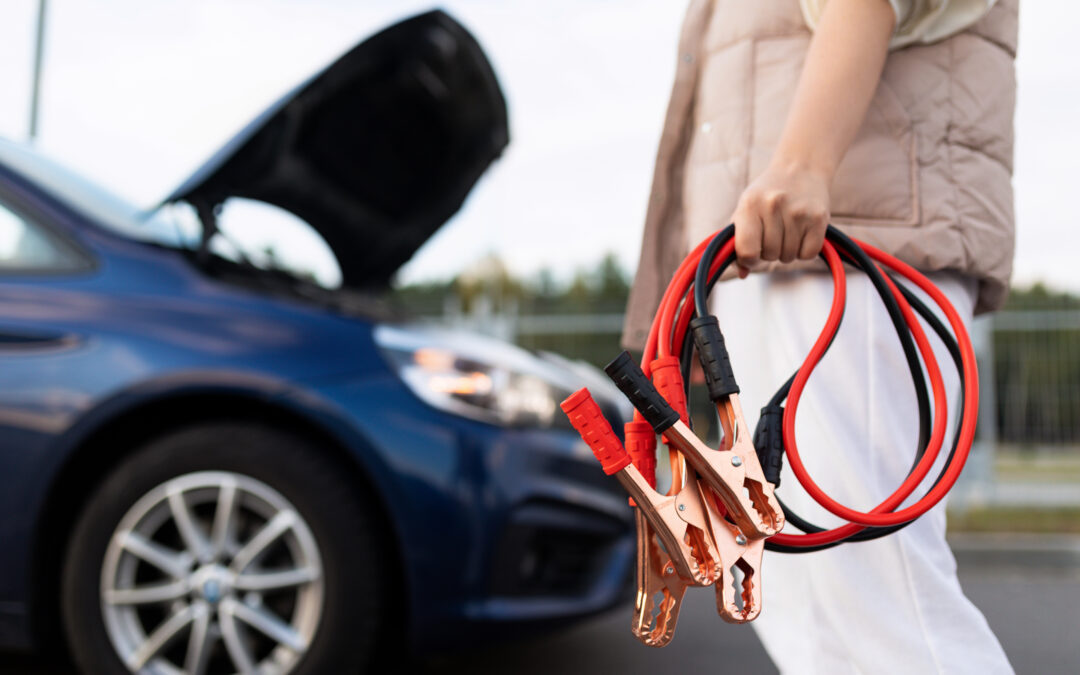
You get into your vehicle, turn the key or press the start button, and nothing happens. After a jump start, everything seems normal again. Then a few days later, you find yourself dealing with another dead battery. If this sounds familiar, you may be wondering, why does my battery keep dying?
A battery that repeatedly loses its charge usually means there is an underlying issue that needs attention. Sometimes the battery itself is simply old and no longer capable of holding a charge. In other cases, the problem may involve the alternator, an electrical drain, corroded connections, driving habits, or another part of the starting and charging system.
Understanding the answer to why does my battery keep dying can help you determine whether you need a new battery or whether another vehicle problem needs to be diagnosed.
What Does Your Car Battery Do?
Your battery provides the electrical power necessary to start your engine. When you turn the key or press the start button, the battery sends power to the starter, allowing the engine to crank.
Once the engine is running, the alternator supplies electricity to many of the vehicle’s systems and helps recharge the battery.
When everything is operating correctly, this process happens without you ever having to think about it. However, if the battery cannot hold a charge or the alternator cannot replenish the power being used, starting problems can develop.
Why Does My Battery Keep Dying Even After a Jump Start?
A jump start provides enough temporary power to get the engine running. It does not repair the reason the battery lost its charge in the first place.
If your vehicle starts after a jump but the battery dies again shortly afterward, possible causes include:
- An aging battery
- A charging system problem
- A failing alternator
- An electrical drain
- Corroded battery connections
- Electrical accessories drawing power
Repeatedly jump starting the vehicle may get you back on the road temporarily, but it is important to identify why the battery continues losing its charge.
1. Your Battery Is Getting Old
One of the most common answers to why does my battery keep dying is simply age.
Car batteries do not last forever. AAA notes that automotive batteries commonly last around three to five years, although climate, driving habits, vehicle electronics, and maintenance can affect their lifespan.
As a battery ages, its ability to store electrical energy gradually decreases. Eventually, it may still work under ideal conditions but struggle during colder weather or after the vehicle sits for an extended period.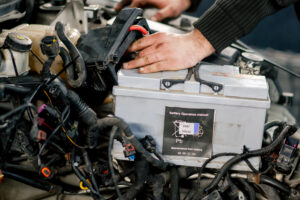
Signs of an aging battery may include:
- Slow engine cranking
- Clicking when attempting to start
- Dim headlights
- Frequent jump starts
- Difficulty starting during temperature changes
If your battery is several years old and starting problems have become more frequent, battery testing can determine whether replacement is necessary.
2. Your Alternator Is Not Charging the Battery Properly
If you are asking why does my battery keep dying even though the battery itself is relatively new, the alternator should be considered.
The alternator helps recharge the battery while your engine is running. If it begins failing, the battery may supply more electricity than it receives back.
Eventually, the battery becomes discharged.
Signs of alternator trouble may include:
- Battery warning light
- Dim or flickering headlights
- Electrical accessories behaving strangely
- Difficulty starting
- Vehicle stalling
- A new battery repeatedly going dead
Replacing the battery will not solve the problem if the alternator is responsible for draining it. The charging system needs to be properly tested to determine what is actually happening.
3. Something Is Draining the Battery While You Are Parked
Your vehicle does not completely stop using electricity when you shut off the engine.
Systems such as the clock, security system, computer modules, and keyless entry may continue using a very small amount of power. This is normal.
Problems develop when an electrical component continues consuming more electricity than it should after the vehicle is turned off. This is often called a parasitic electrical drain.
Possible causes include:
- Interior lights
- Trunk or glove box lights
- Faulty electrical modules
- Stuck relays
- Aftermarket stereos
- Dash cameras
- Phone chargers
- Alarm systems
- Wiring problems
If you frequently find yourself wondering why does my battery keep dying overnight, an excessive electrical draw may be one possibility.
4. You Left an Electrical Accessory On
Sometimes the cause is much simpler.
Headlights, interior lights, vanity mirror lights, or other accessories can drain a battery if they remain on after the engine is shut off.
Even something as simple as a door or trunk that is not completely closed can leave a light illuminated for hours.
Many modern vehicles automatically shut off certain electronics, but not every vehicle or accessory provides this protection.
If your battery only dies occasionally rather than repeatedly, think about whether something may have accidentally been left running.
5. You Take Frequent Short Trips
Driving habits can have a surprising effect on battery health.
Starting an engine requires a significant amount of electrical power. Once the vehicle starts, the alternator needs time to replenish that energy.
If you regularly drive only a few minutes at a time, the alternator may not have enough time to fully recharge the battery before the engine is shut off again.
Over time, repeated short trips can leave the battery undercharged.
If you’re asking why does my battery keep dying even though you drive the vehicle regularly, consider how far you are actually driving. Frequent five or ten minute trips can be much harder on the battery than longer drives.
6. Your Battery Connections Are Corroded or Loose
The battery needs strong electrical connections to both provide and receive power.
Corrosion can build up around battery terminals and interfere with these connections. Loose terminals can create similar problems.
You may notice: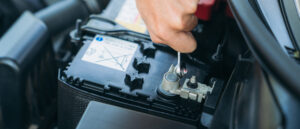
- Slow cranking
- Intermittent starting
- Flickering electrical components
- Visible corrosion
- Difficulty starting even though the battery has power
Battery connections should be inspected periodically and cleaned or repaired when necessary.
7. Extreme Temperatures Are Affecting Your Battery
Temperature plays a major role in battery performance.
Minnesota drivers are especially familiar with cold weather battery problems. Low temperatures reduce available battery power while making the engine more difficult to crank.
However, summer heat can also damage batteries.
High temperatures accelerate internal deterioration and can shorten battery life. A battery weakened during summer may continue operating until cooler temperatures expose how much capacity it has lost.
This is why late summer and fall are good times to have an aging battery tested before Minnesota winter arrives.
If you’re asking why does my battery keep dying whenever temperatures change, the battery may already be approaching the end of its useful life.
8. Your Battery Is Not Properly Secured
A battery should remain firmly mounted while the vehicle is moving.
If the battery hold down is loose or missing, normal driving can cause excessive vibration. Over time, vibration may damage internal battery components and shorten battery life.
This issue may not create immediate symptoms, but it can contribute to premature battery failure.
Checking that the battery is properly secured is a simple part of a thorough battery inspection.
9. Aftermarket Electronics Are Drawing Too Much Power
Aftermarket electronics can sometimes contribute to unexplained battery drain.
Common examples include:
- Remote starters
- Dash cameras
- Stereo systems
- Amplifiers
- Alarm systems
- Additional lighting
- Electronic accessories
These devices do not automatically cause battery problems. However, improper installation or a malfunctioning component can allow an accessory to continue drawing electricity after the vehicle is turned off.
If your starting problems began shortly after an electronic accessory was installed, make sure you mention it when having the vehicle inspected.
Why Does My Battery Keep Dying Overnight?
When a battery repeatedly dies overnight, there are several possibilities.
An aging battery may no longer be able to hold a charge for an extended period. Another possibility is that something in the vehicle continues consuming electricity while it is parked.
A technician can perform electrical testing to determine whether the vehicle is drawing an abnormal amount of power after shutdown.
This is particularly important if the vehicle drives normally during the day but consistently refuses to start after sitting overnight.
Why Does My Battery Keep Dying If the Battery Is New?
A new battery that repeatedly loses its charge is a strong indication that further diagnosis is needed.
Possible causes include:
- Failing alternator
- Charging system problem
- Parasitic electrical drain
- Loose battery connections
- Wiring problem
- Faulty electrical component
Installing another battery without identifying the underlying problem may simply result in another dead battery.
Warning Signs Your Battery May Be Failing
A battery does not always fail without warning.
Pay attention to symptoms such as:
- Slow engine cranking
- Clicking when starting
- Dim headlights
- Dashboard warning lights
- Electrical problems
- Corrosion around battery terminals
- Frequent need for jump starts
If these symptoms begin appearing, having the battery and charging system tested may help prevent an unexpected breakdown.
How Can You Prevent Battery Problems?
Not every battery failure can be prevented, but regular maintenance can reduce your chances of being unexpectedly stranded.
Helpful habits include:
- Have older batteries tested regularly.
- Keep battery terminals clean.
- Make sure the battery is properly secured.
- Avoid leaving electronics running with the engine off.
- Unplug unnecessary accessories when parking.
- Address electrical problems promptly.
- Avoid relying entirely on very short drives.
- Have the charging system checked if starting problems develop.
Battery inspections can often be performed during other routine vehicle maintenance appointments.
Why Professional Battery Testing Matters
When drivers ask why does my battery keep dying, it can be tempting to assume the battery simply needs replacement.
But replacing parts without diagnosing the problem can become expensive, especially if the battery is not actually responsible.
A professional inspection can evaluate: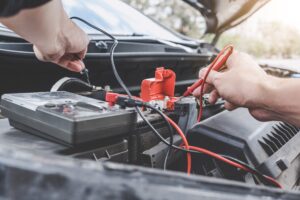
- Battery condition
- Battery connections
- Alternator output
- Charging system performance
- Starter operation
- Electrical draw
Testing helps determine whether the battery has reached the end of its life or another system is preventing it from staying charged.
Conclusion
If you’ve been wondering why does my battery keep dying, there are several possible explanations. The battery may simply be old, but repeated battery failure can also point to a weak alternator, parasitic electrical drain, corroded connections, frequent short trips, aftermarket electronics, or another charging system problem.
Repeatedly jump starting your vehicle may solve the immediate problem, but it does not address why the battery continues losing power. Identifying the underlying cause can help prevent another no start situation and may keep you from replacing a battery that is not actually the source of the problem.
If you’re still asking why does my battery keep dying after multiple jump starts or you’ve noticed your vehicle becoming slower to start, now is a good time to have the battery and charging system inspected. You can contact us here to schedule service at our Maplewood location or contact us here to schedule service at our Cottage Grove location. Our technicians can test your battery, inspect the charging system, and determine what is causing the repeated loss of power.
Further Reading
AAA: Warning Signs Your Car Battery Is About to Die