Alternator Warning Signs: Know When to Act in Maplewood & Cottage Grove
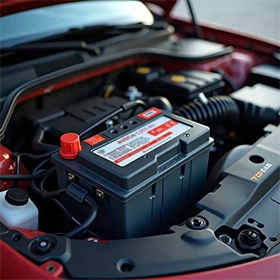 Your alternator powers everything from your headlights to your stereo—making alternator warning signs critical to spot before they turn into a breakdown. At Carlson Auto Service, we want Maplewood and Cottage Grove drivers to stay safe on the road by knowing these red flags and acting early.
🔍 What Is an Alternator? A Quick Refresher
Your car’s alternator converts mechanical energy into electricity, keeping your battery charged and your accessories functioning. As Carlson notes in their What is an Alternator? blog, this unit “provides power to the battery and continuously charges the battery and the vehicle’s electrical systems and computers”
When it malfunctions, you may experience flickering lights, warning lamps, or even electrical component failures. Spotting alternator warning signs early can save you from being stranded and facing expensive repairs.
⚠️ 8 Common Alternator Warning Signs
1. Battery Warning Light Illuminates
If your dashboard’s battery-shaped warning light flickers or stays on, this is one of the most clear alternator warning signs. Carlson explains it’s triggered when voltage output fluctuates or falls outside preset limits Don’t ignore it—even if it goes away intermittently.
2. Dim, Flickering, or Overly Bright Lights
Inconsistent electrical output can cause both headlights and interior lights to flicker, dim, or suddenly brighten. Carlson highlights that alternator failure directly affects lighting systems . Firestone and AutoZone further note that lighting variance is a key indicator .
3. Frequent Battery Problems or Dead Battery
An alternator failing to charge properly leaves the battery to compensate, leading to quicker deterioration or a dead battery. Carlson warns that alternator issues can masquerade as battery problems , while Firestone confirms charging failures often present this way .
4. Slow or Malfunctioning Accessories
Devices like power windows, radio, and seat warmers may operate sluggishly. AutoZone lists slow accessories as a clear warning sign, while Carlson mentions intermittent performance issues with electronics
5. Difficulty Starting or Frequent Stalling
If your engine stalls or doesn’t turn over smoothly, your alternator may be at fault. Firestone outlines this as a key symptom . Carlson reports slow cranking during cold starts, especially when the battery, starter, and alternator all struggle together
6. Growling, Whining, or Squealing Noises
Bearing wear or belt misalignment can cause growling or whining. Both Carlson and Firestone cite unusual noises as a common alternator warning sign .
7. Burning Rubber or Electrical Odors
Overworked alternators and fraying wires can emit burning smells. Carlson and Firestone both identify this odor as a sign to inspect your alternator
8. Warning Lights for Accessories or Voltage Drops
Other dashboard lights may flash or come on unexpectedly due to erratic charging. As Carlson points out, reduced voltage can trigger other indicators—not just the battery light .
🛠 Why These Alternator Warning Signs Demand Immediate Action
-
Prevent Sudden Stranding
A failing alternator can leave you stranded without warning. -
Protect Your Battery and Electrical System
Bad alternators can damage your battery and other components over time. -
Avoid Costly Repairs
Catching these issues early can save you from expensive alternator replacement or tow fees.
✅ What You Should Do If You Spot Alternator Warning Signs
-
Turn off non-essential accessories, then restart the car to see if the warning light stays on.
-
Test battery voltage using a multimeter—your charging system should read around 13–14 volts.
-
Inspect belts and wiring for visible wear or loose connections.
-
Bring your vehicle to our Starting & Charging specialists at Carlson Auto Service for a professional diagnostic.
🔗 Internal Resources at Carlson Auto Service
-
Signs of an Issue with the Alternator – In-depth symptom guide
-
4 Sign of an Alternator Issue – Covers battery light, dimming lights, poor connections
-
Signs of a Poor Alternator – Includes odors, flickering lights, and squealing belts
-
What is an Alternator? – Explains alternator function and warning light triggers
Feel free to link to these pages for valuable internal references.
🧠 Alternate Causes vs. Alternator Issues
Some symptoms can be caused by other factors, such as:
-
Aging battery with reduced capacity
-
Loose wire connections or corroded battery terminals, common in winter
-
Failing drive belts or idler pulleys that affect alternator performance
However, if you’re experiencing multiple alternator warning signs, it’s wise to get a full alternator and charging system test.
🚗 Why Carlson Auto Service Is Your Trusted Local Choice
-
Experienced service in starting & charging
-
Locations in Maplewood & Cottage Grove for easy drop-off
-
ASE-certified technicians ensuring accurate, reliable diagnostics
-
Transparent pricing and clear explanations—no surprises
🧾 Summary Table – Alternator Warning Signs
| Warning Sign | Why It Happens |
|---|---|
| Battery Light On | Voltage fluctuates outside safe range, triggers warning light |
| Dim/Flickering Lights | Inconsistent electrical output from a failing alternator |
| Dead or Weak Battery | Battery cannot keep up if alternator fails to charge |
| Slow Accessories | Insufficient power for electronics like windows or infotainment |
| Starting Issues or Stalls | Alternator fails to restore battery charge, leading to weak starts |
| Growling/Whining Noises | Belt/pulley misalignment or worn alternator bearings |
| Burning Smells | Overheated parts or wiring due to excessive strain |
| Other Warning Lights | Unstable voltage affecting various sensors and systems |
⚠️ 8 Common Alternator Warning Signs
-
Battery warning light illuminates
-
Firestone explains the dashboard battery light often signals a charging system issue when voltage drops below or exceeds normal levels.
https://www.firestonecompleteautocare.com/blog/maintenance/signs-of-a-bad-alternator/
-
-
Dim, flickering, or overly bright lights
-
Flickering or dim lights are a classic alternator failure symptom.
https://www.firestonecompleteautocare.com/blog/maintenance/signs-of-a-bad-alternator/
-
-
Frequent battery problems or dead battery
-
A bad alternator can’t recharge the battery, leading to repeated dead batteries.
https://www.firestonecompleteautocare.com/blog/maintenance/signs-of-a-bad-alternator/
https://www.goldeagle.com/tips-tools/5-signs-of-a-bad-alternator/
-
-
Slow or malfunctioning accessories
-
Slow power windows, malfunctioning radios, and weak seat warmers are tied to low alternator output.
https://www.firestonecompleteautocare.com/blog/maintenance/signs-of-a-bad-alternator/
https://www.autozone.com/diy/alternator/testing-your-alternator-at-autozone
-
-
Difficulty starting or frequent stalling
-
If your engine stalls or struggles to start, the alternator may not be recharging the battery properly.
https://www.firestonecompleteautocare.com/blog/maintenance/signs-of-a-bad-alternator/
-
-
Growling, whining, or squealing noises
-
Bearing failure or belt issues can cause these noises.
https://www.firestonecompleteautocare.com/blog/maintenance/signs-of-a-bad-alternator/
https://www.autozone.com/diy/alternator/testing-your-alternator-at-autozone
-
-
Burning rubber or electrical odors
-
Overheated belts or wires produce burning smells, indicating alternator strain.
https://www.firestonecompleteautocare.com/blog/maintenance/signs-of-a-bad-alternator/
-
-
Other warning lights or voltage drops
-
Unstable voltage can cause multiple warning lights to appear.
https://www.firestonecompleteautocare.com/blog/batteries/how-to-know-if-battery-or-alternator-is-bad/
-
🛠 Why Immediate Action Matters
-
Prevent sudden stranding – A weak alternator leaves your car relying solely on the battery, which will eventually drain.
https://www.firestonecompleteautocare.com/blog/batteries/how-to-know-if-battery-or-alternator-is-bad/ -
Protect your electrical systems – Misregulated voltage can damage electronics.
https://www.firestonecompleteautocare.com/blog/batteries/how-to-know-if-battery-or-alternator-is-bad/ -
Avoid costly repairs – Early diagnosis can prevent full alternator replacement or towing fees.
https://www.firestonecompleteautocare.com/blog/maintenance/signs-of-a-bad-alternator/
✅ What You Should Do If You Spot These Signs
-
Check battery voltage (13–14 V running)
https://www.firestonecompleteautocare.com/blog/batteries/how-to-know-if-battery-or-alternator-is-bad/ -
Inspect belts and wiring
https://www.autozone.com/diy/alternator/testing-your-alternator-at-autozone -
Get a free alternator test
https://www.autozone.com/diy/alternator/testing-your-alternator-at-autozone