Minnesota’s brutal winters and surprisingly hot summers create some of the toughest driving conditions in the country. Your vehicle’s cooling system is constantly working to keep the engine protected from both extremes, and when something goes wrong, the results can be costly. Understanding the importance of cooling system maintenance and radiator care can save you from breakdowns, expensive repairs, and potential engine damage.
This comprehensive guide will walk you through what Minnesota drivers need to know about cooling system care, why your radiator is so essential, and how to prevent two major risks: overheating in the summer and freezing in the winter. Whether you’re commuting through Cottage Grove, taking a winter road trip, or dealing with sudden temperature swings, proper cooling system care keeps your vehicle running at its best.
Why Cooling System Care Matters in Minnesota
Minnesota temperature changes can be extreme. From subzero wind chills to humid 90-degree afternoons, your vehicle’s engine experiences rapid and constant temperature stress. The cooling system regulates engine heat to prevent overheating, while also ensuring coolant does not freeze in winter temperatures.
Common risks Minnesota drivers face include: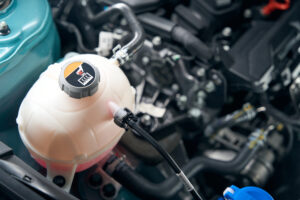
-
Coolant freezing during deep freezes
-
Overheating in summer traffic
-
Corrosion caused by old or contaminated coolant
-
Radiator damage from potholes, road salt, or buildup
-
Ice-related leaks or cracked hoses in winter
By staying on top of cooling system care, you protect your engine, extend the life of your vehicle, and avoid unwanted roadside emergencies.
How Your Cooling System Works
Your cooling system is a network of components that work together to maintain a safe engine temperature. When any piece of this system fails, the engine quickly becomes vulnerable.
Key components include:
Radiator
The radiator releases heat from the coolant into the air. Proper radiator care ensures heat escapes efficiently.
Coolant/Antifreeze
This specially formulated fluid absorbs heat from the engine and prevents freezing in winter. It also protects the system from corrosion.
Water Pump
This circulates coolant throughout the engine and radiator.
Thermostat
Regulates the flow of coolant. If it fails, the engine can overheat or stay too cold, reducing efficiency.
Hoses
Coolant moves through hoses that must remain leak-free and flexible.
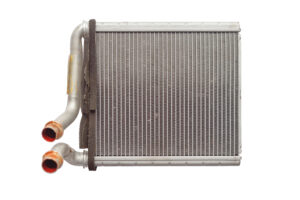
Heater Core
Uses engine heat to warm the cabin. Problems here can signal cooling system issues elsewhere.
Each part plays an essential role, and cooling system care means regularly inspecting and maintaining all of them—not just the radiator.
The Importance of Radiator Care
Radiator care is especially important for Minnesota drivers because of the temperature extremes and winter road conditions. A neglected radiator can develop rust, clogging, and leaks. When the radiator can’t do its job, engine temperatures rise, sometimes within minutes.
Symptoms that your radiator needs attention include:
-
Rising temperature gauge
-
Visible coolant leaks
-
Steam from the hood
-
Sludge or rust-colored coolant
-
Low coolant levels
-
Poor heater performance
Radiator care is something every driver should take seriously. Early signs of trouble should be addressed immediately to prevent more expensive repairs down the road.
Preventing Overheating: Summer Radiator Care Tips
Minnesota summers may be short, but they can be hot and humid. Overheating is a common issue when cooling system care has been neglected.
1. Check Coolant Levels Regularly
Before road trips or long drives, check your coolant reservoir. Low coolant is a leading cause of overheating.
2. Flush the Cooling System on Schedule
Over time, coolant breaks down and becomes contaminated. A cooling system flush removes old fluid, rust, and debris that clog your radiator.
Most manufacturers recommend flushing every 30,000 miles or every two to three years, but Minnesota driving can demand more frequent service.
3. Inspect Radiator Fins
Summer bugs, dirt, and debris can block airflow. Cleaning the fins helps keep temperatures regulated.
4. Watch the Temperature Gauge
If temperatures start creeping up, turn off the A/C, turn on the heat, and pull over safely. This moves engine heat to the cabin and buys you time.
5. Maintain Proper Radiator Pressure
Your radiator cap maintains pressure in the system. If it fails, overheating is more likely.
Radiator care during summer isn’t just preventative—it can save your engine from serious damage when temperatures spike.
Preventing Freezing: Winter Cooling System Care for Minnesota Drivers
Winter brings entirely different challenges. Without proper coolant protection, the liquid inside your system can freeze and expand, cracking the radiator, hoses, or even the engine block.
1. Test Your Antifreeze Strength
This ensures the coolant-to-water ratio is correct. Minnesota winters demand stronger freeze protection than mild climates.
A 50/50 mix is common, but in extreme conditions, 60/40 may provide better freeze resistance.
2. Inspect the Radiator and Hoses Before the First Freeze
Cold temperatures make worn hoses brittle. Radiator care in winter includes checking for: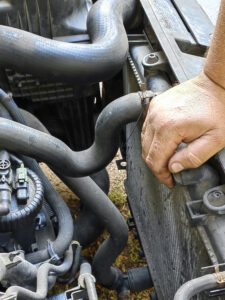
-
Cracks
-
Soft or bulging hoses
-
Loose clamps
-
Corrosion
3. Check for Leaks Early
Even small coolant leaks become big problems in winter. If the level drops too low, freezing becomes more likely.
4. Warm Up the Engine Properly
Modern vehicles don’t require long warm-ups, but giving your engine 30–60 seconds allows the coolant to circulate.
5. Use the Right Coolant Type
Not all coolant is created equal. Using the wrong type can lead to corrosion or gel buildup. Your repair shop can identify the correct formula for your vehicle.
Winter cooling system care prevents costly damage and keeps your vehicle reliable even on the coldest Minnesota mornings.
Common Cooling System Problems Minnesota Drivers Face
Because of unique climate stress, certain issues appear more frequently in Minnesota than in other regions.
Frozen Coolant
Occurs when the coolant mixture is too weak, increasing risk of cracked components.
Radiator Leaks
Often caused by corrosion, road salt exposure, or expansion from temperature swings.
Thermostat Failure
Cold weather can cause thermostats to stick, preventing warm-up or causing overheating.
Radiator Fan Malfunction
Essential in both hot summers and cold idling situations.
Rust or Sludge in Coolant
Road salt and moisture exposure increase corrosion risk.
Addressing these issues as soon as they appear is essential for maintaining the health of your cooling system.
Cooling System Maintenance Schedule for Minnesota Drivers
If you want your vehicle to hold up through all seasons, follow a cooling system care schedule tailored for Minnesota’s climate.
Every 3,000–5,000 Miles
-
Check coolant levels
-
Inspect hoses and clamps
-
Check radiator cap pressure
Every 30,000 Miles or Every 2–3 Years
-
Full cooling system flush
-
Replace thermostat (preventative)
-
Pressure test system
-
Inspect radiator condition internally and externally
Annually Before Winter
-
Test freeze protection
-
Inspect radiator and hoses
-
Verify heater core performance
-
Check for coolant leaks
Maintaining this schedule ensures your radiator and cooling system stay reliable all year long.
When to See a Professional for Radiator Care
DIY checks are helpful, but cooling system issues can escalate quickly. You should seek professional radiator care if you notice:
-
Persistent coolant loss
-
Overheating, even briefly
-
Heater not blowing warm air
-
Strong sweet smell (coolant odor)
-
Visible corrosion around the radiator
-
Puddles under your vehicle
Ignoring early signs can lead to head gasket failure, cracked radiators, or engine overheating. A professional inspection ensures the problem is correctly diagnosed and repaired.
Conclusion
Minnesota driving exposes your vehicle to extreme temperature changes, road salt, and tough weather conditions—making cooling system care an essential part of protecting your engine year-round. Proper radiator care helps prevent overheating in the summer and freezing in the winter, saving you from costly repairs and unexpected breakdowns.
If you want peace of mind that your vehicle is ready for any season, Carlson Auto can help. Our technicians provide complete cooling system inspections, radiator service, coolant flushes, and winter-readiness checks. Schedule an appointment at our Cottage Grove location here, or you can schedule at our Maplewood location here. Keeping your engine protected starts with dependable cooling system care, and we’re here to help keep you safely on the road.
Further Reading
-
Cooling System Basics – https://www.caranddriver.com/features/a39208376/cooling-systems-explained
-
How Coolant Works – https://www.familyhandyman.com/project/guide-to-coolant
-
Radiator Maintenance Tips – https://www.kbb.com/owner/maintenance/radiator-maintenance
-
Antifreeze and Winter Prep – https://www.consumerreports.org/car-maintenance/how-to-winterize-your-car-a3433561094