What Happens If You Skip Oil Changes?
If you’ve ever wondered what happens if you skip oil changes, you’re not alone. Oil changes are one of the most basic forms of vehicle maintenance, yet they’re also one of the most commonly delayed or ignored. While skipping an oil change once might not seem like a big deal, consistently neglecting this service can lead to serious—and expensive—engine problems.
Your engine relies on clean oil to function properly. Without it, internal components begin to wear down, overheat, and eventually fail. In this article, we’ll break down exactly what happens if you skip oil changes and why staying on schedule matters more than you might think.
Why Oil Changes Are So Important
Before diving into what happens if you skip oil changes, it’s important to understand what engine oil actually does.
Motor oil has several critical jobs:
- Lubricates moving parts to reduce friction
- Helps regulate engine temperature
- Cleans and removes contaminants
- Prevents corrosion inside the engine
Over time, oil breaks down and becomes less effective. Dirt, debris, and metal particles build up, turning clean oil into a thick, dirty substance that can’t properly protect your engine.
What Happens If You Skip Oil Changes? Step by Step
1. Oil Becomes Dirty and Ineffective
The first thing that happens if you skip oil changes is that your oil starts to degrade. It loses its ability to lubricate and clean the engine effectively.
As oil becomes contaminated:
- Friction between engine parts increases
- Heat builds up more quickly
- Engine efficiency drops
At this stage, you may not notice immediate issues, but damage is already starting.
2. Increased Engine Wear
 When oil is no longer doing its job, metal components inside the engine begin to rub against each other. This leads to accelerated wear and tear.
Common effects include:
- Worn piston rings
- Damaged bearings
- Reduced engine lifespan
This is one of the most significant consequences of what happens if you skip oil changes regularly.
3. Engine Overheating
Oil also helps regulate temperature. Without clean oil circulating through the engine, heat builds up rapidly.
Overheating can cause:
- Warped engine components
- Blown gaskets
- Permanent engine damage
If your engine overheats, repairs can quickly become costly.
4. Sludge Buildup
One of the most serious outcomes of what happens if you skip oil changes is sludge formation.
Old oil thickens into a sticky substance that:
- Clogs engine passages
- Restricts oil flow
- Prevents proper lubrication
Sludge can completely choke your engine, leading to severe performance issues or total failure.
5. Reduced Fuel Efficiency
Dirty oil forces your engine to work harder. Increased friction means your vehicle uses more fuel to perform the same tasks.
You may notice:
- Lower miles per gallon
- Sluggish acceleration
- Reduced overall performance
Skipping oil changes doesn’t just harm your engine—it also costs you more at the pump.
6. Engine Misfires and Poor Performance
As engine components wear and oil becomes ineffective, performance issues become more noticeable.
Symptoms may include:
- Rough idling
- Knocking noises
- Decreased power
At this point, what happens if you skip oil changes is no longer subtle—it’s affecting how your car drives.
7. Complete Engine Failure
The worst-case scenario of what happens if you skip oil changes is total engine failure.
Without proper lubrication:
- Parts seize due to friction
- Internal damage becomes irreversible
- The engine may need to be replaced
Engine replacement is one of the most expensive repairs a vehicle can require, often costing thousands of dollars.
Warning Signs You’ve Gone Too Long Without an Oil Change
If you’re unsure whether you’ve pushed it too far, there are several signs to watch for:
- Oil change or check engine light is on
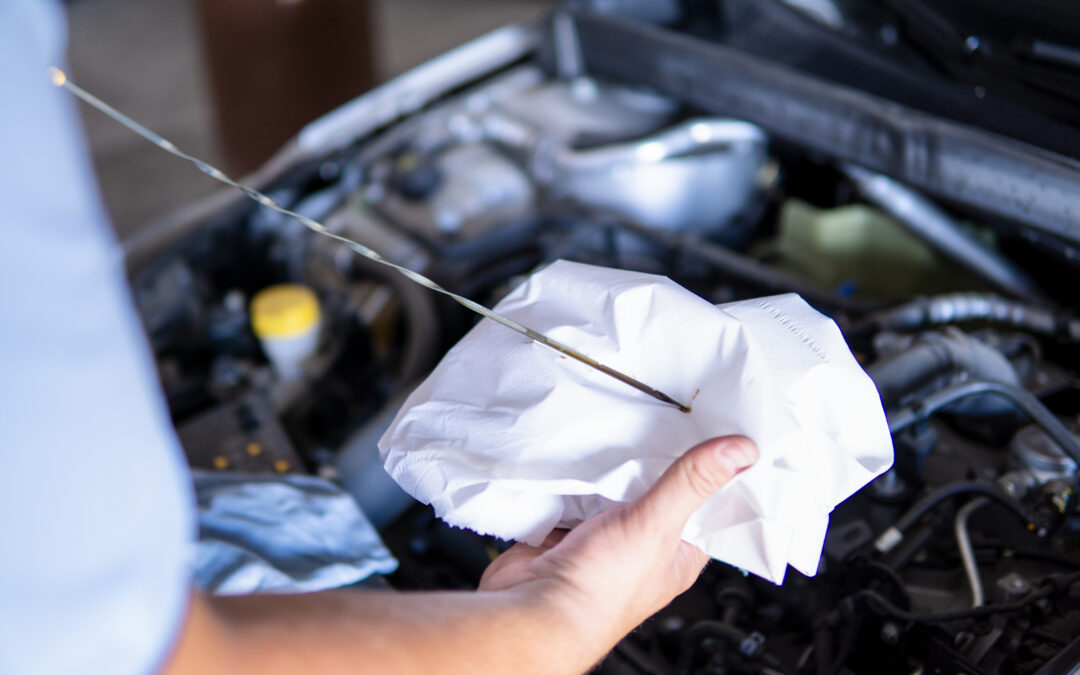
- Dark, dirty oil on the dipstick
- Engine knocking or ticking noises
- Burning oil smell
- Excess exhaust smoke
These symptoms indicate that what happens if you skip oil changes is already taking a toll on your vehicle.
How Often Should You Change Your Oil?
Modern vehicles typically require oil changes every:
- 3,000 to 5,000 miles (conventional oil)
- 5,000 to 7,500+ miles (synthetic oil)
However, driving conditions matter. Frequent short trips, extreme temperatures, and heavy driving can require more frequent oil changes.
Checking your owner’s manual is always the best place to start.
Is Skipping One Oil Change a Big Deal?
Many drivers ask if missing just one oil change is a problem. While skipping once may not immediately destroy your engine, it does increase wear and reduces protection.
The real issue comes from repeated neglect. Over time, the effects compound, leading to the problems outlined above.
The Real Cost of Skipping Oil Changes
It might seem like you’re saving money by delaying service, but the long-term costs tell a different story.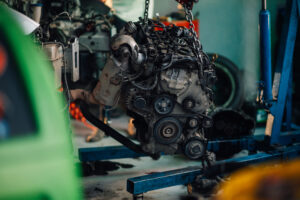
Oil change cost:
- Typically inexpensive and quick
Engine repair or replacement:
- Thousands of dollars
When you consider what happens if you skip oil changes, the risk far outweighs the short-term savings.
How to Stay on Track with Oil Changes
Staying consistent with oil changes is one of the easiest ways to protect your vehicle.
Helpful tips:
- Set reminders based on mileage or time
- Pay attention to dashboard alerts
- Schedule routine maintenance appointments
- Keep records of your last service
A small amount of planning can prevent major issues down the road.
Preventative Maintenance Matters
Oil changes are just one part of keeping your vehicle in top condition. Regular inspections, fluid checks, and maintenance services all work together to extend the life of your car.
When you stay proactive, you reduce the chances of unexpected breakdowns and expensive repairs.
Conclusion
Understanding what happens if you skip oil changes makes it clear just how important this simple service really is. From increased engine wear to complete failure, the consequences can escalate quickly if oil maintenance is ignored.
Taking care of your vehicle doesn’t have to be complicated, but it does require consistency. Keeping up with regular oil changes is one of the easiest and most effective ways to protect your engine and avoid unnecessary costs.
If it’s been a while since your last oil change or you’re not sure where your vehicle stands, now is a good time to take care of it. Staying ahead of maintenance helps ensure your car runs smoothly, efficiently, and reliably for years to come. If you’re ready to get back on track, you can contact us here at our Cottage Grove location, or here at our Maplewood location to schedule your next service and keep your vehicle performing at its best.