Why Won’t My Car Start?
Few things are more frustrating than getting into your vehicle, turning the key or pressing the start button, and having nothing happen. Whether you’re heading to work, running errands, or preparing for a road trip, a vehicle that won’t start can quickly disrupt your day. If you’ve found yourself asking why won’t my car start, you’re not alone.
A vehicle can fail to start for many different reasons. Sometimes the problem is simple and inexpensive to repair. Other times, it may involve more complex components within the starting, charging, fuel, or ignition systems. Understanding the most common causes can help you recognize warning signs and know when professional diagnosis is needed.
In this guide, we’ll explore the most common answers to why won’t my car start and what you can do when your vehicle refuses to cooperate.
Understanding What Happens When You Start Your Vehicle
Before discussing why won’t my car start, it helps to understand the basic process involved in starting an engine.
When you start your vehicle:
- The battery supplies electrical power.
- The starter motor engages.
- The ignition system creates spark.
- The fuel system delivers fuel.
- The engine begins combustion.
If any one of these systems fails to perform its job properly, the engine may not start.
The Most Common Reason: A Dead Battery
One of the most frequent answers to why won’t my car start is a dead battery.
Your battery provides the electrical power needed to crank the engine. Over time, batteries lose their ability to hold a charge and eventually need replacement.
Signs of a weak or dead battery include:
- Slow engine cranking
- Clicking noises when turning the key
- Dim headlights
- Electrical accessories not working
Extreme temperatures, age, and leaving lights on can all contribute to battery failure.
Bad Battery Connections
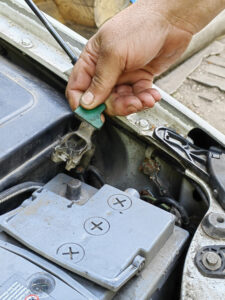 Sometimes the battery itself isn’t the problem.
Corroded or loose battery terminals can interrupt the flow of electricity and prevent your vehicle from starting.
Common signs include:
- Intermittent starting issues
- Visible corrosion on terminals
- Electrical systems working inconsistently
Fortunately, this is often a relatively simple repair.
Starter Motor Failure
If you hear a clicking sound but the engine won’t crank, the starter motor may be the culprit.
The starter is responsible for turning the engine over when you attempt to start it.
Common starter symptoms include:
- Single click when turning the key
- Grinding noises
- No engine cranking
- Intermittent starting issues
Starter motors wear out over time and eventually require replacement.
Alternator Problems
Many drivers assume the battery is always the issue, but sometimes the alternator is to blame.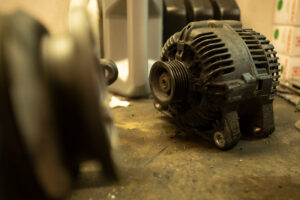
The alternator charges the battery while the engine is running. If it fails, the battery can become depleted.
Signs of alternator trouble include:
- Battery warning light
- Dimming lights
- Electrical issues
- Frequent dead batteries
When drivers ask why won’t my car start after recently replacing the battery, a failing alternator is often worth investigating.
Fuel System Problems
Your engine needs fuel to run. If fuel cannot reach the engine properly, starting becomes impossible.
Potential fuel system issues include:
- Failed fuel pump
- Clogged fuel filter
- Faulty fuel injectors
- Empty fuel tank
Symptoms may include:
- Engine cranks but won’t start
- Loss of power before failure
- Long crank times
Fuel system failures can develop gradually or occur suddenly.
Ignition System Issues
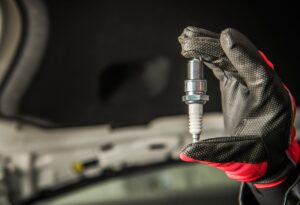 The ignition system creates the spark needed to ignite the air-fuel mixture.
Problems with the ignition system may involve:
- Worn spark plugs
- Failed ignition coils
- Ignition switch issues
When spark is absent, combustion cannot occur and the engine won’t start.
This is another common answer to why won’t my car start.
Faulty Key or Key Fob
Modern vehicles use sophisticated anti-theft and security systems.
If the vehicle cannot recognize the key or key fob, the engine may refuse to start.
Potential causes include:
- Dead key fob battery
- Damaged key
- Security system malfunction
In some cases, the dashboard may display a security warning indicator.
Engine Timing Problems
Although less common, engine timing issues can prevent the engine from starting.
Components involved include:
- Timing belts
- Timing chains
- Camshaft position sensors
- Crankshaft position sensors
When timing becomes inaccurate, combustion may not occur correctly.
Because these issues can cause serious engine damage, prompt diagnosis is important.
Clogged Fuel Filter
Fuel filters help remove contaminants before fuel reaches the engine.
Over time, filters can become clogged and restrict fuel flow.
Signs include:
- Difficulty starting
- Poor acceleration
- Engine hesitation
- Reduced performance
A clogged filter may allow the vehicle to run poorly before eventually causing a no-start condition.
Faulty Fuel Pump
The fuel pump delivers gasoline from the fuel tank to the engine.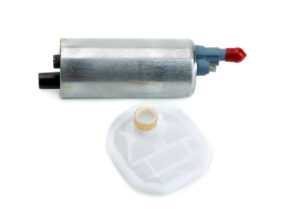
When the pump fails, fuel delivery stops completely.
Symptoms may include:
- Engine cranking without starting
- Whining noises from the fuel tank
- Stalling before complete failure
Fuel pumps typically provide warning signs before failing entirely.
Cold Weather Starting Problems
Minnesota winters can create additional challenges for vehicle owners.
Cold temperatures can affect:
- Battery performance
- Engine oil viscosity
- Fuel system operation
Cold weather often amplifies existing weaknesses in the starting system.
If you’ve been asking why won’t my car start during winter, the battery is frequently the first component to inspect.
What If the Engine Cranks But Won’t Start?
There is an important distinction between:
- No crank, no start
- Crank, no start
If the engine cranks normally but doesn’t start, the issue is often related to:
- Fuel delivery
- Ignition components
- Engine sensors
- Air intake systems
This information can help narrow down the diagnosis significantly.
What If Nothing Happens At All?
If you turn the key and absolutely nothing happens, likely causes include:
- Dead battery
- Battery connection issues
- Starter failure
- Ignition switch problems
A complete lack of response usually points to an electrical issue.
Can a Check Engine Light Cause a No-Start Condition?
Indirectly, yes.
Many of the issues that trigger a check engine light can eventually lead to starting problems.
Examples include:
- Sensor failures
- Ignition problems
- Fuel system faults
If your vehicle has been displaying warning lights for some time, they may be related to the current no-start condition.
How to Reduce the Risk of Starting Problems
Preventative maintenance goes a long way toward avoiding situations where you’re wondering why won’t my car start.
Helpful maintenance practices include:
- Regular battery inspections
- Replacing batteries before failure
- Maintaining charging system health
- Following tune-up schedules
- Replacing worn spark plugs
- Addressing warning lights promptly
Small maintenance investments often prevent major inconveniences later.
Why Professional Diagnostics Matter
Modern vehicles contain dozens of sensors and interconnected systems.
While some starting issues are obvious, many require professional testing.
A technician can:
- Test battery condition
- Inspect charging system performance
- Scan diagnostic codes
- Evaluate starter operation
- Check fuel pressure
- Verify ignition system function
Proper diagnosis prevents unnecessary parts replacement and helps ensure the correct repair is performed the first time.
Conclusion
If you’ve been asking why won’t my car start, the answer could involve anything from a weak battery to a failing starter, fuel delivery problem, ignition issue, or charging system failure. While some causes are relatively minor, others can leave you stranded without warning.
The good news is that many starting problems provide warning signs before complete failure occurs. Paying attention to slow cranking, electrical issues, warning lights, and unusual noises can help you address problems before they become emergencies.
If your vehicle is struggling to start or refuses to start altogether, having it professionally diagnosed is the best way to identify the root cause and prevent further issues. Whether you’re dealing with a dead battery, starter concerns, or a more complex electrical problem, contact us here to schedule service at our Maplewood location or contact us here to schedule service at our Cottage Grove location. Our team can help diagnose the issue and get you back on the road with confidence.
Further Reading
- Car Care Council Vehicle Care Guide
https://www.carcare.org/car-care-guide/ - National Highway Traffic Safety Administration Vehicle Safety Information
https://www.nhtsa.gov/road-safety/vehicle-safety - AAA Automotive Repair Information
https://exchange.aaa.com/automotive/repair/