Why Is My Car Leaking Oil?
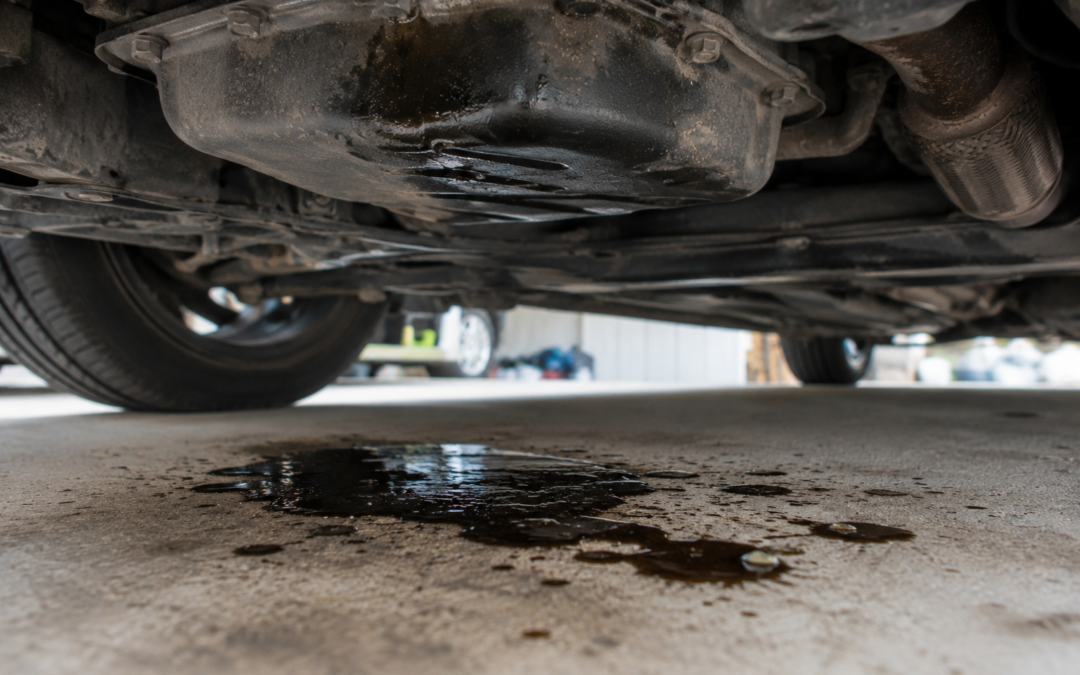
Walking out to your vehicle and noticing a dark puddle underneath can be alarming. If you’ve recently asked yourself, “why is my car leaking oil,” you’re not alone. Oil leaks are one of the most common reasons drivers bring their vehicles into an auto repair shop, and while some leaks are relatively minor, others can quickly lead to serious engine damage if ignored.
Engine oil is responsible for lubricating moving parts, reducing friction, carrying away heat, and helping keep the engine clean. When oil escapes the system through a leak, your engine loses the protection it needs to operate safely and efficiently.
In this guide, we’ll explain why is my car leaking oil, what causes oil leaks, how to identify the warning signs, and why addressing the issue early can save you from much more expensive repairs later.
Why Engine Oil Is So Important
Before understanding why is my car leaking oil, it’s helpful to understand why engine oil plays such an important role.
Motor oil performs several essential functions: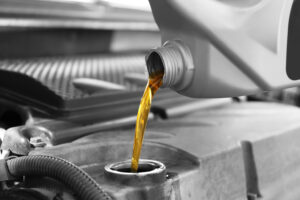
- Lubricates moving engine components
- Reduces friction and wear
- Helps cool internal engine parts
- Cleans away dirt and contaminants
- Prevents corrosion
When oil levels become too low because of a leak, the engine begins operating with less protection. Over time, this can result in excessive wear, overheating, and even complete engine failure.
Common Reasons Why Your Car Is Leaking Oil
1. Worn Valve Cover Gasket
One of the most common answers to why is my car leaking oil is a worn valve cover gasket.
The valve cover sits on top of the engine and helps seal engine oil inside. Over time, heat causes the gasket to dry out, crack, or shrink.
Common signs include:
- Oil around the top of the engine
- Burning oil smell
- Oil dripping onto engine components
- Visible oil leaks after parking
Fortunately, replacing a valve cover gasket is often much less expensive than repairing damage caused by ignoring the leak.
2. Damaged Oil Pan
The oil pan sits underneath the engine and stores much of the engine’s oil supply.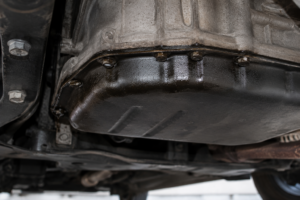
Because of its location, it can become damaged from:
- Road debris
- Curbs
- Potholes
- Speed bumps
Even a small crack or puncture can lead to noticeable oil loss.
If you’re wondering why is my car leaking oil after hitting something on the road, the oil pan should be inspected.
3. Worn Oil Pan Gasket
Between the engine block and oil pan is a gasket that creates a leak-proof seal.
As vehicles age, this gasket may:
- Harden
- Crack
- Compress
- Lose flexibility
Oil pan gasket leaks often develop gradually and become more noticeable over time.
4. Loose or Damaged Oil Drain Plug
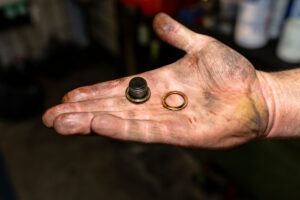 Every oil change requires removing and reinstalling the oil drain plug.
Problems can occur if:
- The drain plug isn’t tightened properly.
- Threads become damaged.
- The sealing washer wears out.
This type of leak is often discovered shortly after an oil change.
5. Oil Filter Problems
Another common answer to why is my car leaking oil involves the oil filter.
Leaks can occur if:
- The filter wasn’t installed correctly.
- The gasket becomes damaged.
- The filter loosens over time.
- A low-quality filter fails prematurely.
Because oil filters are replaced regularly, they should always be inspected whenever an oil leak is suspected.
6. Worn Engine Seals
Modern engines rely on numerous rubber seals to keep oil contained.
Common seals include:
- Front crankshaft seal
- Rear main seal
- Camshaft seals
As these components age, heat and mileage cause them to deteriorate.
Rear main seal leaks are among the more labor-intensive oil leak repairs because of where the seal is located.
7. Excessive Engine Wear
In higher-mileage vehicles, engine wear itself may contribute to oil leaks.
Years of heat cycles and vibration gradually weaken:
- Gaskets
- Seals
- Engine components
This is one reason oil leaks become more common as vehicles get older.
How Can You Tell It’s Engine Oil?
Not every fluid underneath your vehicle is engine oil.
Engine oil is typically:
- Amber when new
- Dark brown or black after use
- Slick to the touch
- Medium thickness
If you’re unsure what fluid is leaking, having it professionally identified is important before continuing to drive.
Common Warning Signs of an Oil Leak
Besides visible puddles, several other symptoms may indicate your vehicle has an oil leak.
Watch for:
- Burning oil smell
- Smoke from under the hood
- Low oil warning light
- Frequent need to add oil
- Dirty engine components
- Oil spots where you park
Many drivers asking why is my car leaking oil first notice one of these warning signs before they ever see oil on the ground.
Is It Safe to Drive With an Oil Leak?
The answer depends on the size of the leak.
A very small leak may allow you to drive temporarily, but it should still be repaired as soon as possible.
Larger leaks can quickly become dangerous because low oil levels may lead to:
- Engine overheating
- Internal engine damage
- Complete engine failure
If the oil warning light comes on while driving, stop the vehicle as soon as it’s safe to do so and check the oil level.
What Happens If You Ignore an Oil Leak?
Ignoring an oil leak rarely makes the problem better.
Instead, leaks often become worse over time.
Potential consequences include:
Engine Damage
Without enough oil, metal components begin rubbing together, accelerating wear.
Overheating
Oil helps remove heat from engine components. Low oil levels reduce cooling efficiency.
Increased Repair Costs
Replacing a gasket is much less expensive than replacing an engine.
Environmental Concerns
Leaking oil can contaminate driveways, parking lots, and storm drains.
Can an Oil Leak Affect Fuel Economy?
Yes.
When engine components experience increased friction because of low oil levels, efficiency decreases.
You may notice:
- Reduced fuel economy
- Sluggish performance
- Increased engine noise
While fuel economy isn’t usually the first symptom, it can become noticeable over time.
How Mechanics Diagnose Oil Leaks
Finding the source of an oil leak isn’t always simple because oil can spread across multiple engine components.
A technician may:
- Inspect the engine visually.
- Clean the engine before testing.
- Use UV dye to trace leaks.
- Check seals and gaskets.
- Inspect the oil filter and drain plug.
Proper diagnosis ensures the actual source is repaired instead of simply treating the symptoms.
How to Help Prevent Oil Leaks
Although some leaks occur simply because of age, regular maintenance can reduce your risk.
Helpful maintenance includes:
- Keeping up with oil changes
- Using the correct oil viscosity
- Replacing worn gaskets promptly
- Inspecting underneath the vehicle regularly
- Addressing warning signs early
Routine inspections often catch small leaks before they become major repairs.
When Should You Have an Oil Leak Repaired?
As soon as possible.
Even a slow leak can become significantly worse over time.
You should schedule an inspection if you notice:
- Oil spots under your vehicle
- Burning oil smell
- Low oil warning light
- Smoke under the hood
- Frequent oil top-offs
Addressing the problem early almost always results in a less expensive repair.
Conclusion
If you’ve been wondering why is my car leaking oil, the cause could be anything from a worn gasket or loose oil filter to a damaged oil pan or aging engine seals. While some oil leaks may begin as relatively small problems, they should never be ignored. Engine oil is essential to protecting your engine, and even a slow leak can eventually lead to costly repairs if oil levels become too low.
The good news is that many oil leaks can be repaired before they result in major engine damage. Having your vehicle inspected at the first sign of leaking oil can help protect your engine, improve reliability, and prevent much larger repair bills down the road.
If you’ve noticed oil spots in your driveway, a burning oil smell, or your low oil warning light has come on, now is the time to have your vehicle inspected. You can contact us here to schedule service at our Maplewood location or contact us here to schedule service at our Cottage Grove location. Our experienced technicians can identify the source of the leak and recommend the right repair to keep your vehicle running safely and reliably.
Further Reading
Car Care Council – Car Care Guide
https://www.carcare.org/car-care-guide/
National Highway Traffic Safety Administration – Vehicle Safety
https://www.nhtsa.gov/road-safety/vehicle-safety
AAA Exchange – Automotive Repair Resources
https://exchange.aaa.com/automotive/repair/