
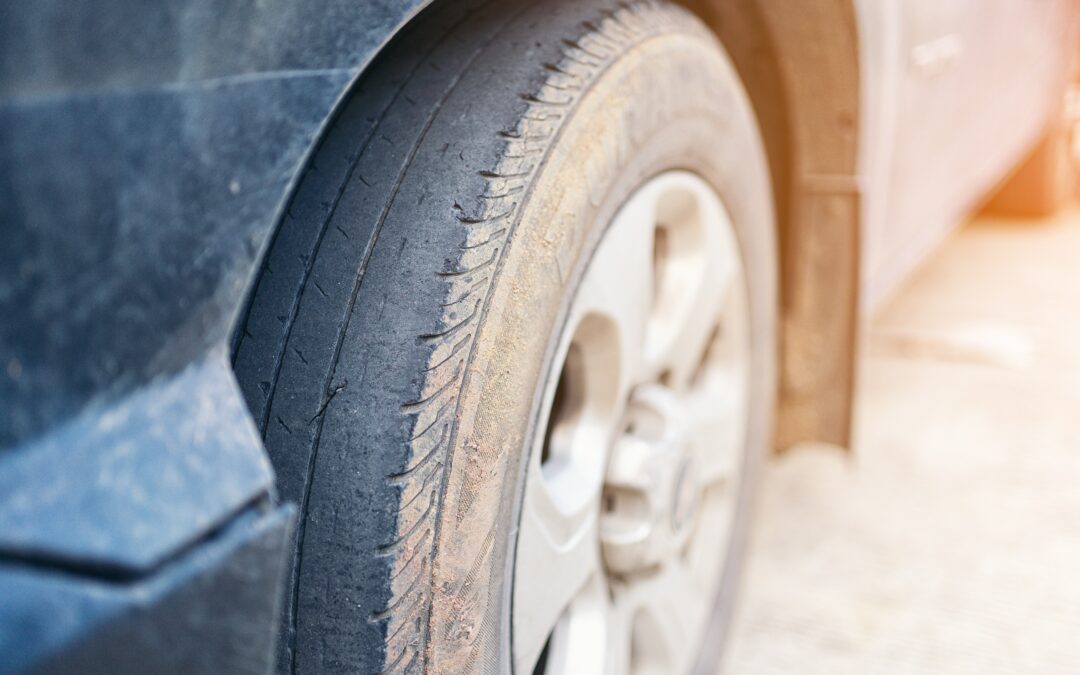
What Causes Uneven Tire Wear?
Your tires are one of the most important safety components on your vehicle. They provide traction, help maintain control, and ensure a smooth ride in a variety of road conditions. So, when you begin noticing one tire wearing faster than another or the tread looking uneven, it’s natural to ask, “what causes uneven tire wear?”
Uneven tire wear is more than just a cosmetic issue. It often indicates an underlying problem with your vehicle’s suspension, steering, alignment, or tire maintenance. Left unaddressed, uneven wear can shorten the life of your tires, reduce fuel efficiency, affect handling, and even increase your risk of a tire failure.
In this guide, we’ll explain what causes uneven tire wear, how to recognize the warning signs, and what you can do to help extend the life of your tires.
Why Even Tire Wear Matters
Before looking at what causes uneven tire wear, it’s important to understand why consistent tread wear is so important.
Evenly worn tires provide:
- Better traction
- Improved handling
- Shorter stopping distances
- Better fuel economy
- Longer tire life
- More comfortable ride quality
When one area of the tire wears significantly faster than another, your vehicle’s performance can suffer in several ways.
How Tires Normally Wear
Every tire gradually loses tread over time. This is expected and unavoidable.
Normal tire wear should occur:
- Evenly across the tread
- At a consistent rate
- On all four tires with proper maintenance
If you notice one side of the tread wearing faster or one tire wearing much quicker than the others, something is likely causing abnormal wear.
Common Causes of Uneven Tire Wear
 1. Improper Wheel Alignment
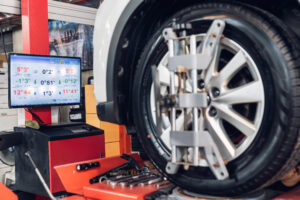 1. Improper Wheel Alignment
One of the most common answers to what causes uneven tire wear is poor wheel alignment.
Wheel alignment refers to the angles at which your tires contact the road. Even small alignment changes can cause significant tread wear over time.
Signs of poor alignment include:
- Vehicle pulling to one side
- Crooked steering wheel
- Uneven tire wear
- Reduced handling
Minnesota roads, potholes, and curb impacts frequently knock vehicles out of alignment.
2. Incorrect Tire Pressure
Improper tire inflation is another leading cause of uneven tire wear.
Overinflated tires often wear: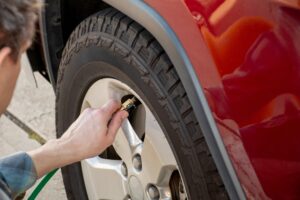
- More in the center of the tread
Underinflated tires typically wear:
- Along both outer edges
Incorrect tire pressure can also:
- Reduce fuel economy
- Affect braking performance
- Increase blowout risk
Checking tire pressure regularly is one of the easiest ways to maximize tire life.
3. Worn Suspension Components
Your suspension keeps the tires properly planted on the road.
As components wear, they can change how the tire contacts the pavement.
Common worn components include:
- Shocks
- Struts
- Ball joints
- Control arm bushings
- Tie rods
These parts may cause tires to bounce or shift, resulting in irregular tread wear.
4. Tires That Are Out of Balance
Balanced tires rotate smoothly at all speeds.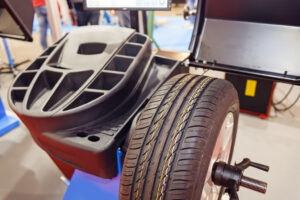
When balance is off, vibrations develop that can create uneven tread wear over time.
You may notice:
- Steering wheel vibration
- Shaking at highway speeds
- Premature tire wear
Tire balancing is often performed whenever new tires are installed or rotated.
5. Failure to Rotate Tires
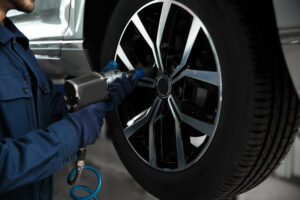 Another common answer to what causes uneven tire wear is simply failing to rotate your tires.
Front and rear tires experience different forces while driving.
For example:
- Front tires often wear faster on front-wheel-drive vehicles.
- Rear tires wear differently during acceleration and cornering.
Regular tire rotations help ensure all four tires wear evenly.
6. Aggressive Driving Habits
Driving style has a major impact on tire life.
Rapid acceleration, hard braking, and aggressive cornering all increase tread wear.
Frequent aggressive driving can cause:
- Feathering
- Shoulder wear
- Accelerated tread loss
Gentler driving habits often result in significantly longer tire life.
7. Damaged Steering Components
Steering system problems can also explain what causes uneven tire wear.
Worn steering components may prevent the tires from maintaining proper alignment.
Symptoms include:
- Loose steering
- Vehicle wandering
- Uneven tread wear
- Steering wheel vibration
A steering inspection is often recommended whenever abnormal tire wear is discovered.
8. Worn Wheel Bearings
Although less common, failing wheel bearings can affect tire wear.
Bad wheel bearings may cause:
- Tire wobble
- Vibration
- Irregular tread patterns
- Humming noises
Wheel bearing problems should be repaired promptly for both safety and tire longevity.
Types of Uneven Tire Wear
Different wear patterns often point to different problems.
Inside Edge Wear
Usually indicates:
- Alignment problems
- Excessive negative camber
Outside Edge Wear
Often caused by:
- Underinflation
- Alignment issues
- Aggressive cornering
Center Tread Wear
Most commonly caused by:
- Overinflated tires
Cupping or Scalloping
Typically indicates:
- Worn shocks or struts
- Suspension problems
Feathering
Often results from:
- Incorrect toe alignment
- Steering issues
Recognizing these patterns helps technicians identify the underlying cause more quickly.
Can Potholes Cause Uneven Tire Wear?
Absolutely.
Minnesota drivers encounter potholes every year, especially during spring.
A hard impact can affect:
- Wheel alignment
- Suspension components
- Tire structure
- Wheel balance
Even if damage isn’t immediately noticeable, potholes can begin causing uneven wear over time.
How Uneven Tire Wear Affects Your Vehicle
Many drivers continue driving on unevenly worn tires because the vehicle still feels “good enough.”
However, abnormal wear can lead to:
- Longer stopping distances
- Reduced wet-weather traction
- Poor fuel economy
- Increased road noise
- Rougher ride
- More expensive tire replacement
Replacing tires before their expected lifespan is often far more expensive than correcting the issue causing the wear.
How Often Should Tire Wear Be Checked?
Tire inspections should become part of your regular maintenance routine.
It’s a good idea to inspect your tires:
- Every month
- Before long road trips
- During every oil change
- Anytime handling changes
Catching uneven wear early often prevents more expensive repairs later.
How Tire Rotations Help Prevent Uneven Wear
Routine tire rotations are one of the best ways to maximize tire life.
Most manufacturers recommend rotating tires approximately every 5,000 to 7,500 miles, although recommendations vary by vehicle.
Benefits include:
- More even tread wear
- Longer tire lifespan
- Better ride quality
- Improved handling
Skipping tire rotations is one of the easiest ways to shorten tire life.
Can Uneven Tire Wear Be Fixed?
The worn tread itself cannot be restored.
However, the underlying problem can usually be corrected before additional damage occurs.
Repairs may include:
- Wheel alignment
- Tire balancing
- Suspension repairs
- Steering repairs
- Tire replacement if necessary
Addressing the root cause prevents new tires from developing the same wear pattern.
How to Help Prevent Uneven Tire Wear
Preventative maintenance goes a long way toward extending tire life.
Helpful habits include:
- Check tire pressure monthly.
- Rotate tires regularly.
- Schedule wheel alignments when needed.
- Repair suspension issues promptly.
- Avoid aggressive driving.
- Inspect tread wear frequently.
These simple maintenance steps can significantly increase tire longevity.
Why Professional Tire Inspections Matter
Because uneven tire wear can result from multiple different systems, proper diagnosis is important.
A professional inspection may include:
- Measuring tread depth
- Checking tire pressure
- Inspecting suspension components
- Evaluating steering parts
- Performing alignment measurements
Finding the true cause helps prevent repeated tire replacement.
Conclusion
If you’ve been asking what causes uneven tire wear, the answer often goes beyond the tires themselves. Problems with wheel alignment, suspension components, tire pressure, steering parts, or even driving habits can all contribute to abnormal tread wear. Addressing these issues early not only helps your tires last longer but also improves your vehicle’s safety, handling, and fuel efficiency.
Regular tire inspections, routine rotations, and keeping up with recommended maintenance are some of the best ways to prevent uneven tire wear before it leads to more costly repairs. If you’ve noticed unusual tread patterns, steering changes, or increased vibration while driving, it’s a good idea to have your vehicle inspected by a professional.
If you think your tires may be wearing unevenly, don’t wait until they need premature replacement. You can contact us here to schedule service at our Maplewood location or contact us here to schedule service at our Cottage Grove location. Our experienced technicians can inspect your tires, identify the underlying cause, and help keep your vehicle driving safely and efficiently.
Further Reading
Car Care Council – Car Care Guide
https://www.carcare.org/car-care-guide/
National Highway Traffic Safety Administration – Tire Safety
https://www.nhtsa.gov/equipment/tires
AAA Exchange – Tire Care and Maintenance
https://exchange.aaa.com/automotive/