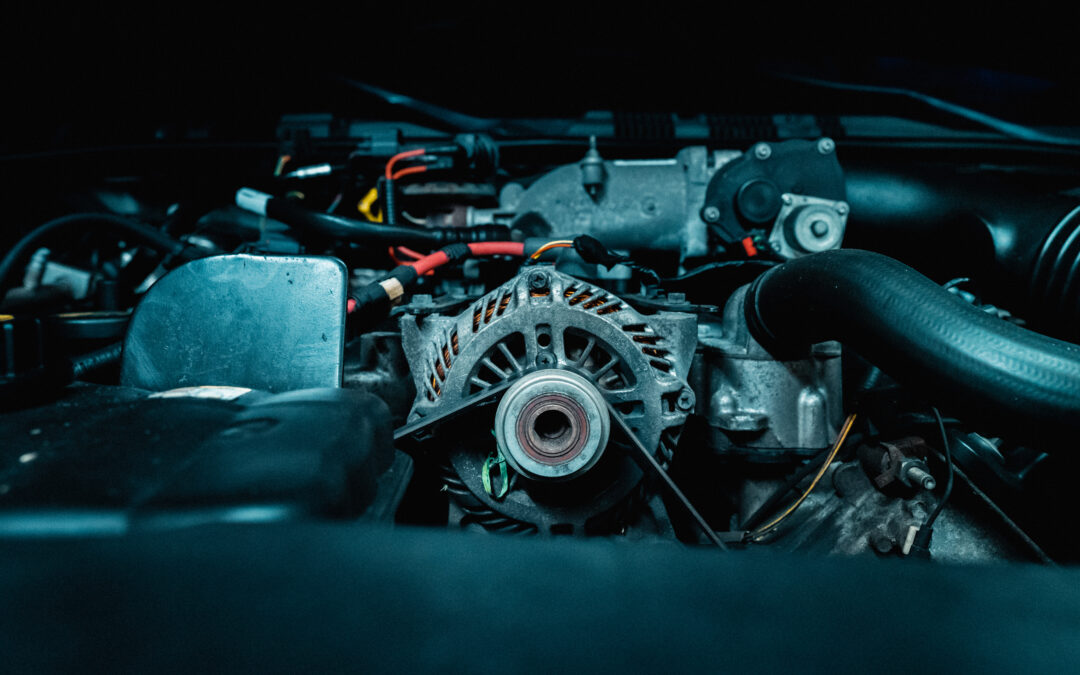
Your vehicle relies on electricity for much more than starting the engine. Headlights, dashboard electronics, power windows, climate controls, safety systems, and many other components require a steady supply of electrical power. While the battery gets your vehicle started, the alternator plays a major role in keeping everything operating once the engine is running.
When an alternator begins to fail, the symptoms can easily be mistaken for a weak battery or another electrical problem. Knowing the signs of a bad alternator can help you recognize trouble before your vehicle suddenly loses power or leaves you stranded.
Some alternator problems develop gradually, while others can appear with little warning. If you notice changes in your lights, electrical accessories, starting performance, or dashboard warning lights, your charging system may need to be inspected.
What Does an Alternator Do?
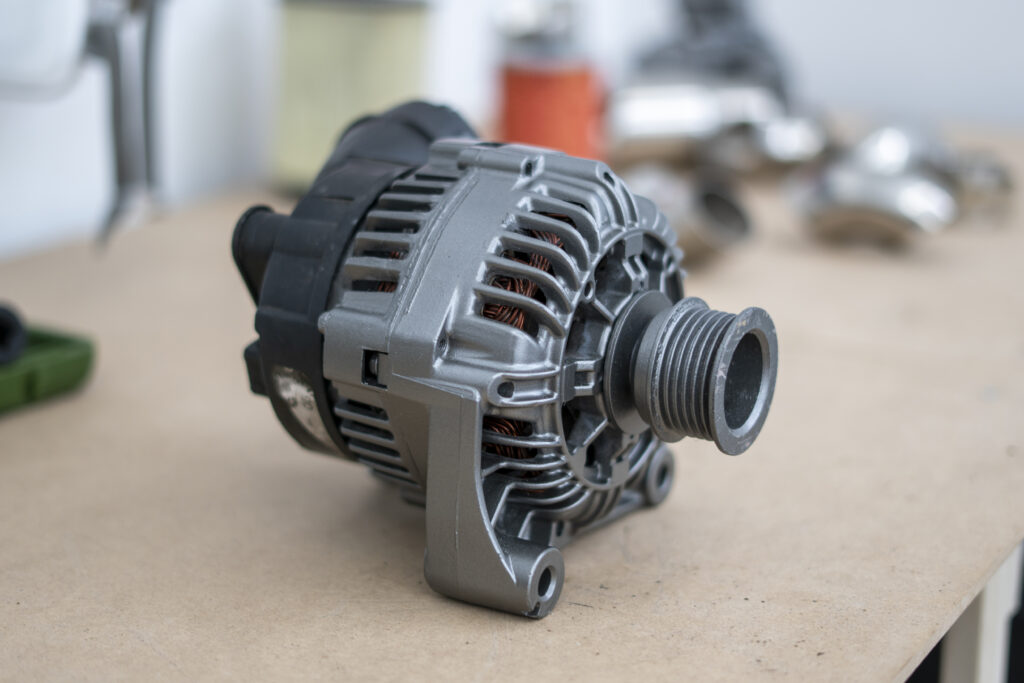
The alternator converts mechanical energy from the running engine into electrical energy. That electricity powers many of the vehicle’s systems while also replenishing the battery after it provides the energy needed to start the engine.
Think of the battery and alternator as a team. The battery supplies the initial power needed to start the vehicle. Once the engine is running, the alternator takes over much of the electrical workload while keeping the battery charged.
When the alternator cannot produce enough electricity, the vehicle begins relying more heavily on the battery. Eventually, the battery can become depleted, and the vehicle may no longer have enough electrical power to continue running.
Understanding the signs of a bad alternator is especially important because alternator trouble and battery trouble often produce similar symptoms.
1. The Battery Warning Light Comes On
One of the most recognizable signs of a bad alternator is a battery or charging system warning light appearing on the dashboard.
Despite its appearance, the battery shaped warning light does not necessarily mean the battery itself is bad. It generally indicates that the charging system is not operating as expected.
Depending on the vehicle, you may see a battery symbol, charging system warning, or another electrical system message.
The warning may initially appear only occasionally, especially when electrical demand increases. As the problem becomes worse, the light may remain illuminated.
A charging system warning should not be ignored. Testing can help determine whether the problem involves the alternator, battery, wiring, drive belt, voltage regulator, or another electrical component.
2. Your Headlights Are Dim or Flickering
Changes in lighting are another common sign of charging system trouble.
A properly operating alternator should provide relatively consistent electrical power. When alternator output becomes unstable, you may notice your headlights changing brightness.
They might appear dimmer than usual, flicker while driving, or become unusually bright before returning to normal.
Interior lights and dashboard illumination may also fluctuate.
If you notice your headlights repeatedly changing brightness while the engine is running, this can be one of the signs of a bad alternator and should be investigated before the electrical problem becomes worse.
3. Your Battery Keeps Dying
A dead battery does not always mean you have a bad battery.
The alternator is responsible for replenishing the battery while the engine runs. If the alternator is not producing enough electricity, the battery gradually loses its charge.
Eventually, you may shut the vehicle off and discover that there is not enough battery power left to restart it.
This becomes especially suspicious when the battery is relatively new but repeatedly needs a jump start.
If you have recently replaced your battery and continue experiencing dead battery problems, the entire charging system should be tested rather than automatically replacing the battery again.
Repeated battery failure is one of the signs of a bad alternator that is frequently mistaken for a battery problem.
4. Electrical Accessories Start Acting Strangely
Modern vehicles contain a large number of electrical components, and an alternator that is struggling to keep up may cause some of them to behave unpredictably.
You might notice:
- Power windows moving more slowly
- Heated seats working inconsistently
- Radio or infotainment problems
- Dashboard displays flickering
- Blower motor speeds changing
- Interior lights becoming dim
- Electronic accessories temporarily shutting off
Some vehicles are designed to prioritize essential systems when electrical power becomes limited. This means certain comfort features may stop working before more critical systems are affected.
When several unrelated electrical features begin malfunctioning around the same time, it is worth having the charging system inspected.
5. Your Vehicle Is Difficult to Start
Starting problems are often blamed on the battery, but they can also be among the signs of a bad alternator.
If the alternator has not been properly charging the battery, the battery may not have enough stored energy to start the engine.
You might notice slower cranking, intermittent starting problems, or the need for repeated jump starts.
The important question is why the battery does not have enough power.
Battery testing alone may not provide the full answer. Testing the charging system can determine whether the battery is failing or whether the alternator is simply not keeping it charged.
6. Your Vehicle Stalls While Driving
An alternator problem can eventually become serious enough to affect the engine while you are driving.
Once the battery has been depleted, there may not be enough electrical power available to keep critical vehicle systems operating properly. The engine may begin running poorly or stall completely.
This can be particularly concerning because the vehicle may not restart afterward.
If a charging warning light appears while driving and is followed by multiple electrical problems, dimming lights, or engine performance changes, find a safe place to stop and have the vehicle inspected.
Waiting until the vehicle completely loses power can leave you stranded in an unsafe location.
7. You Hear Whining, Grinding, or Growling Noises
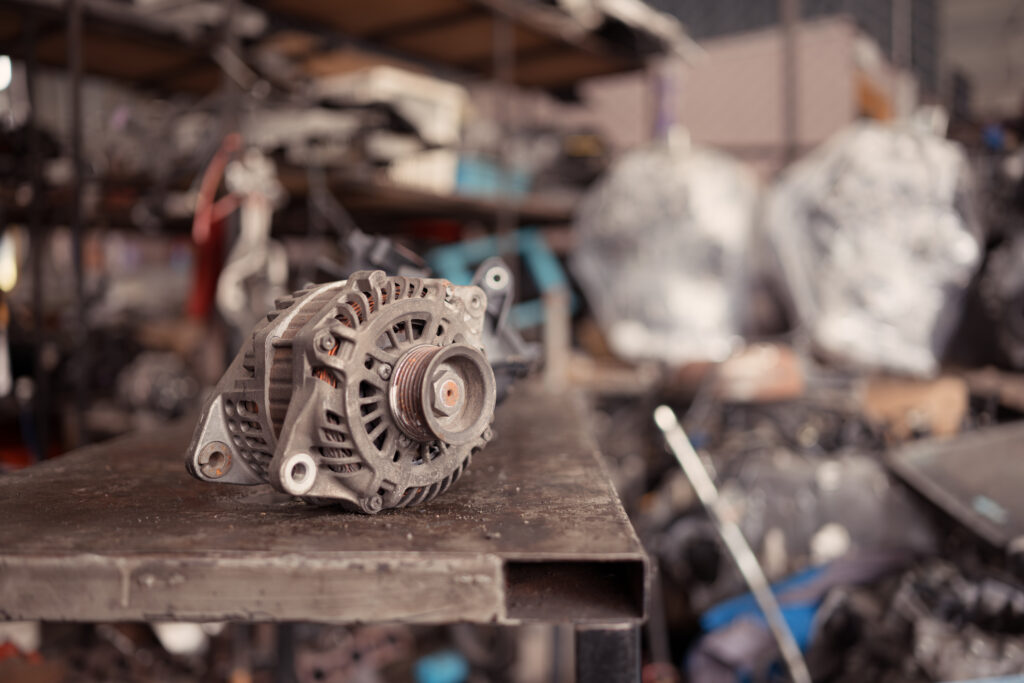
Not all signs of a bad alternator are electrical.
An alternator contains bearings and other moving components that can wear over time. Problems involving the alternator itself or the belt and pulley system can sometimes produce unusual noises from under the hood.
Depending on the problem, you may hear:
- Whining
- Grinding
- Growling
- Squealing
A squealing noise may also indicate an issue with the belt that helps drive the alternator.
Many different engine components can produce similar sounds, so unusual noises alone do not confirm an alternator problem. However, a new noise combined with electrical symptoms makes a charging system inspection especially important.
8. You Notice a Burning Smell
A burning rubber or electrical smell should never be ignored.
The alternator operates alongside belts, pulleys, wiring, and electrical connections. Excessive friction, overheating, damaged wiring, or a slipping belt can sometimes produce a noticeable burning odor.
If you smell something burning while driving, especially when accompanied by charging problems or dashboard warning lights, have the vehicle inspected as soon as possible.
A burning smell can have many possible causes, some of which may require immediate attention.
9. Multiple Dashboard Warning Lights Appear
Modern vehicles depend heavily on electronic control systems.
When voltage becomes unstable, multiple systems may begin reporting problems. This can sometimes result in several warning lights appearing even though those individual systems have not all failed at the same time.
If several seemingly unrelated warning lights suddenly appear along with dimming lights or other electrical symptoms, low or inconsistent system voltage may be involved.
Professional diagnostic testing can determine whether the warning lights represent separate problems or share a common electrical cause.
Bad Alternator or Bad Battery?
Because batteries and alternators work closely together, distinguishing between them can be difficult based on symptoms alone.
A weak battery may cause slow starting, clicking, or a vehicle that will not start. A failing alternator can cause many of the same symptoms because it may allow the battery to become discharged.
There are some clues that can help.
If the battery is several years old and will not hold a charge, the battery itself may be failing.
If the battery is relatively new but repeatedly becomes discharged, alternator or charging system problems become more suspicious.
If the vehicle starts after a jump but develops electrical problems or stalls while running, the alternator may also be involved.
However, symptoms alone cannot always provide a definitive answer. Testing both the battery and charging system is the best way to determine which component is actually responsible.
Can a Bad Alternator Ruin a Battery?
A failing alternator can contribute to battery problems.
If the alternator is undercharging, the battery may repeatedly become deeply discharged. Repeatedly draining a battery can shorten its useful life.
Charging problems can also occur in the opposite direction. A malfunction within the charging system may expose the battery and electrical components to improper voltage.
This is one reason replacing a dead battery without checking the charging system can sometimes lead to continued problems.
If your battery repeatedly loses its charge, look for other signs of a bad alternator before assuming another battery replacement will solve the issue.
Can You Drive With a Bad Alternator?

A vehicle may continue running temporarily with a failing alternator, but there is no reliable way to know how much driving time remains.
As alternator output decreases, the vehicle relies increasingly on stored battery power. Once that available electricity is depleted, critical systems may stop operating and the engine can stall.
The amount of time this takes can vary considerably depending on battery condition, vehicle design, electrical demand, and the severity of the charging system failure.
If the battery or charging warning light comes on while you are driving, especially alongside other signs of a bad alternator, do not assume you can continue driving normally.
Having the problem inspected promptly can help prevent an unexpected breakdown.
What Causes an Alternator to Fail?
Alternators operate whenever the engine is running, so they experience significant use throughout a vehicle’s life.
Possible alternator problems can involve:
- Worn internal bearings
- Electrical component failure
- Voltage regulator problems
- Damaged wiring or connections
- Belt or pulley problems
- Excessive heat
- Normal wear over time
Sometimes the alternator itself is not actually the failed component. A damaged belt, loose electrical connection, or another charging system problem can create similar symptoms.
Proper diagnosis helps avoid replacing an alternator unnecessarily.
How Is an Alternator Problem Diagnosed?
When you bring a vehicle in because of possible charging problems, testing can help determine what is actually happening.
A technician may inspect or test the:
- Battery
- Alternator output
- Charging system
- Electrical connections
- Drive belt
- Battery terminals
- Starting system
This is especially important when the vehicle has both battery and alternator symptoms.
Rather than guessing based on a dashboard light or dead battery, testing allows the actual source of the problem to be identified.
Do Not Ignore the Early Signs of a Bad Alternator
Alternator problems often provide warnings before the vehicle becomes completely disabled.
Maybe your headlights have started flickering. Perhaps your power windows seem slower than usual. You might notice a battery warning light that occasionally appears and then disappears.
These symptoms can be easy to dismiss when the vehicle still starts and drives normally.
However, catching the signs of a bad alternator early gives you an opportunity to have the charging system inspected before the problem progresses to a dead battery or roadside breakdown.
This becomes particularly important as temperatures begin dropping. A battery or charging system that has been marginal during warmer weather may become much more noticeable once colder temperatures put additional demands on the starting system.
Conclusion
Knowing the signs of a bad alternator can help you recognize an electrical problem before your vehicle suddenly loses power. A battery warning light, dim or flickering headlights, repeated dead batteries, slow electrical accessories, unusual noises, starting trouble, burning smells, and unexpected stalling can all indicate that the charging system needs attention.
However, these symptoms do not automatically mean the alternator needs replacement. Batteries, wiring, belts, connections, and other electrical components can cause similar problems. Testing the complete starting and charging system is the best way to determine what is actually happening.
If you have noticed any of the signs of a bad alternator or your battery continues losing its charge, contact us here to schedule service at our Maplewood location or contact us here to schedule service at our Cottage Grove location. Having the problem diagnosed now can help you avoid finding yourself with a vehicle that will not start when you need it most.
Further Reading
AAA: Warning Signs of a Bad Alternator