
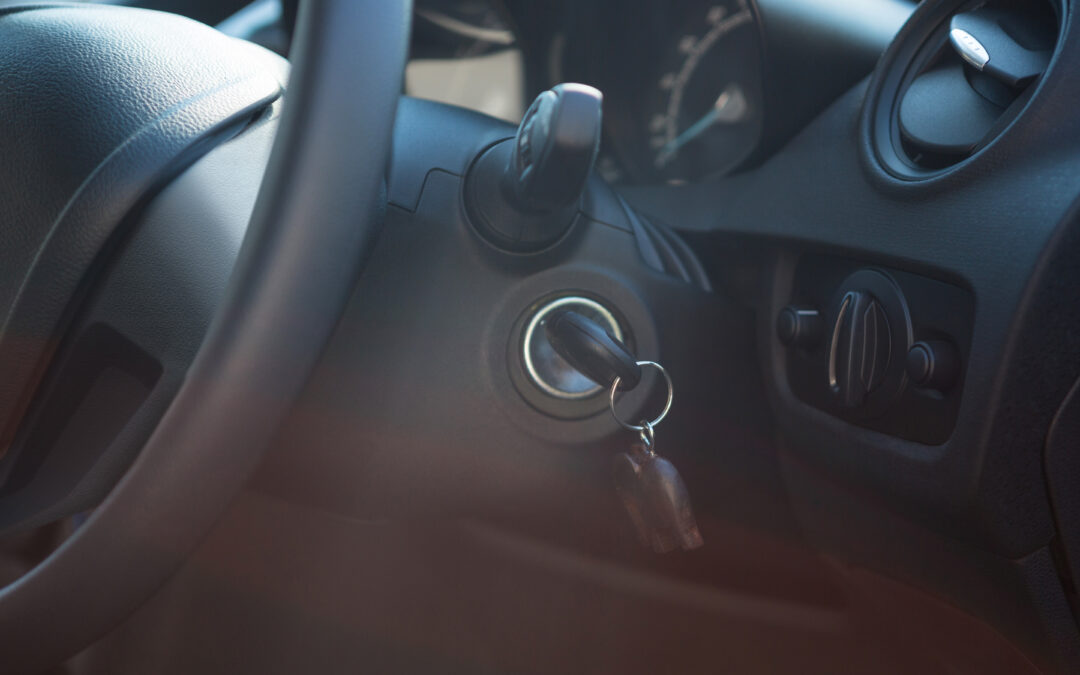
You head outside on a cold morning, get into your vehicle, turn the key or press the start button, and the engine struggles to come to life. Maybe it cranks much more slowly than usual. Perhaps you hear a clicking sound, or it takes several attempts before the engine finally starts. If you’ve experienced this, you may be wondering, why is my car hard to start when it’s cold?
Cold temperatures put additional strain on several systems your vehicle depends on to start. Your battery has less available power, engine oil becomes thicker, and the starter has to work harder to turn the engine. Cold weather can also expose problems with components that seemed perfectly fine during warmer months.
While a slightly slower start on an extremely cold morning can happen, repeated or significant starting problems should not be ignored. Understanding why is my car hard to start when it’s cold can help you identify whether your vehicle simply needs maintenance or has a problem that could eventually leave you stranded.
Why Does Cold Weather Make Cars Harder to Start?
Starting your vehicle requires several components to work together.
The battery supplies electrical power to the starter. The starter turns the engine, while the fuel and ignition systems help begin combustion. Once the engine is running, the alternator provides electrical power and replenishes the battery.
Cold weather makes this entire process more demanding.
Low temperatures slow the chemical reactions inside a traditional automotive battery, reducing the amount of power it can provide. At the same time, engine oil becomes thicker in colder temperatures, creating additional resistance as the starter attempts to turn the engine.
This combination is one of the main reasons drivers notice starting problems once temperatures begin falling.
1. Your Battery Is Getting Weak
If you’re asking why is my car hard to start when it’s cold, the battery is one of the first components worth checking.
A battery that performs adequately during warm weather may struggle once temperatures fall. Cold weather reduces available battery power while the engine simultaneously requires more energy to start.
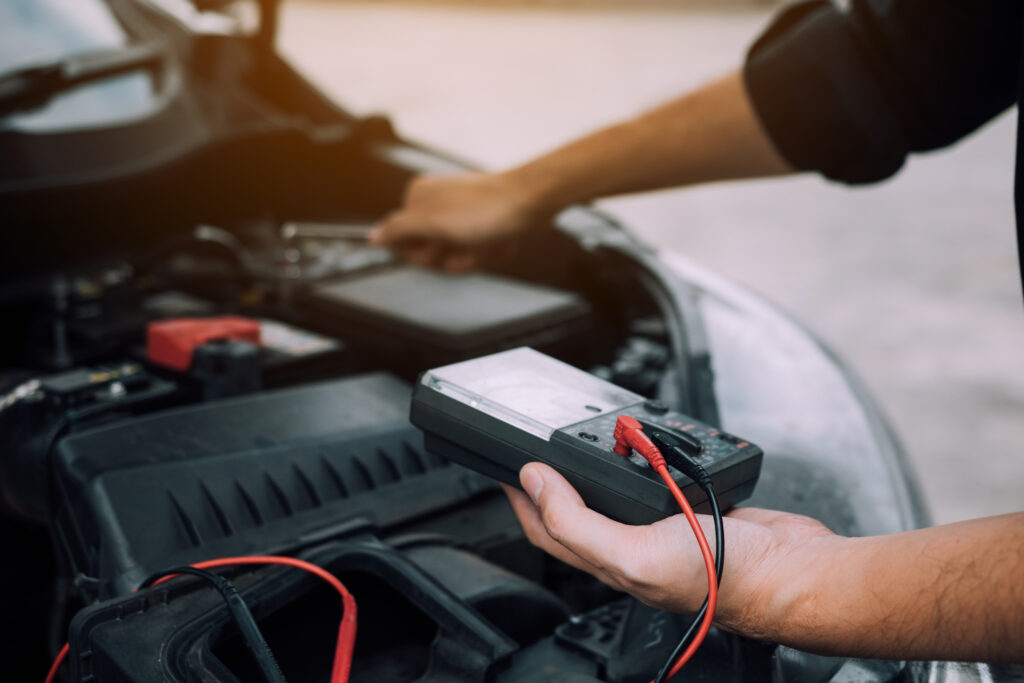
An aging or weakened battery may therefore show few symptoms during summer but suddenly struggle on the first cold mornings of fall and winter.
Warning signs can include:
- Slow engine cranking
- Clicking when you try to start the vehicle
- Dim headlights
- Interior lights that become noticeably dim while starting
- Frequent need for jump starts
- Starting problems that become worse as temperatures fall
Battery testing can help determine whether the battery still has enough capacity to handle cold weather.
2. The Battery Connections Are Corroded or Loose
Sometimes the battery itself is not the problem.
Battery terminals and cables create the electrical connection needed to transfer power from the battery to the starting system. Corrosion, loose connections, or damaged cables can interfere with that flow of electricity.
Cold weather may make an existing connection problem more noticeable because the starting system already needs more power.
Visible white, blue, or greenish buildup around the battery terminals can indicate corrosion. However, not every poor connection is immediately obvious.
If your vehicle starts inconsistently or seems to lose electrical power when you attempt to start it, the battery connections should be inspected along with the battery itself.
3. Your Engine Oil Is Thicker in Cold Weather
Engine oil needs to flow throughout the engine to lubricate moving components.
Temperature affects how easily that oil flows. As temperatures fall, oil becomes more viscous, or thicker. The starter must then work harder to move the engine’s internal components during startup.
Modern motor oils are designed to perform across a range of temperatures, but using the correct viscosity specified by your vehicle manufacturer remains important.
Old oil, incorrect oil, or neglected oil changes can make cold weather starting more difficult.
If you’re wondering why is my car hard to start when it’s cold and your oil change is overdue, checking the oil level, condition, and service history is a good place to start.
4. Your Starter Is Beginning to Fail
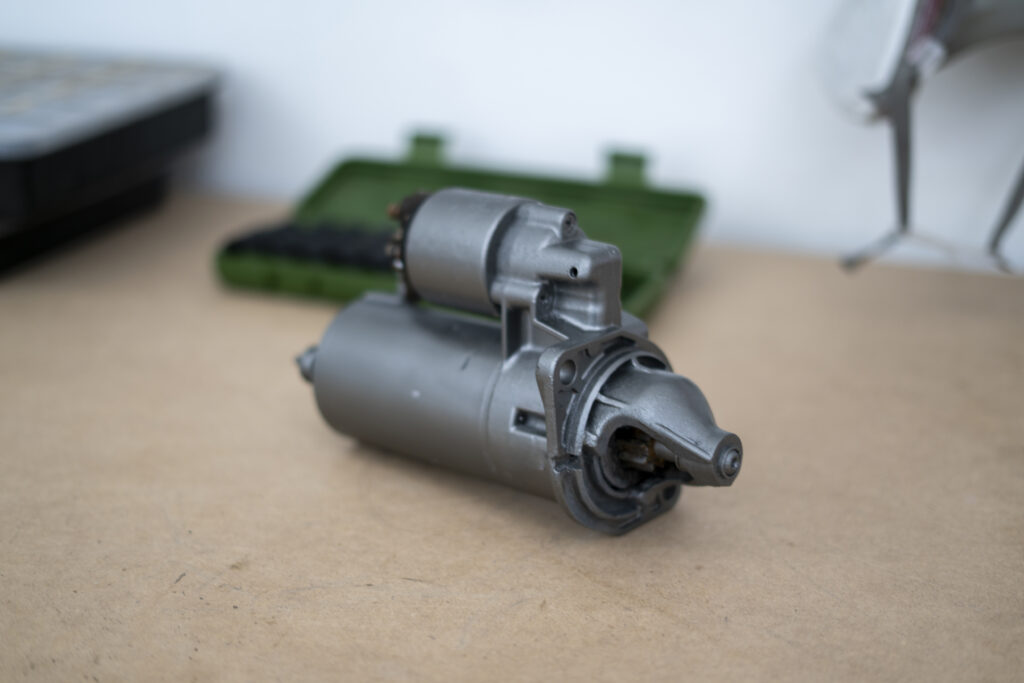
The starter motor uses power from the battery to crank the engine.
Like any mechanical and electrical component, the starter can wear over time. A starter that has begun weakening may continue functioning during warmer weather but struggle when cold temperatures increase the amount of effort required to turn the engine.
Possible starter trouble can include:
- Clicking when you try to start the vehicle
- Slow cranking
- Intermittent starting
- Grinding noises
- No response when turning the key or pressing the start button
Because weak batteries and failing starters can create similar symptoms, proper testing is important before replacing either component.
5. Your Alternator Is Not Keeping the Battery Charged
The alternator helps recharge your battery while the engine is running.
If the alternator is not producing enough electricity, the battery may gradually become undercharged. You might not notice the problem immediately during warmer weather, but cold temperatures can expose the lack of available battery power.
You may notice other symptoms such as:
- Battery warning light
- Flickering headlights
- Electrical accessories behaving strangely
- Repeated dead batteries
- Difficulty starting after the vehicle has been sitting
If you recently installed a new battery but are still asking why is my car hard to start when it’s cold, the charging system should be tested.
Replacing another battery will not solve the problem if the alternator is responsible for leaving it undercharged.
6. You Mostly Take Short Trips
Short trips can be particularly tough on a battery during colder weather.
Starting the engine uses a significant amount of stored battery power. Once the engine is running, the alternator begins replenishing that energy.
However, if you frequently drive only a few minutes before shutting the vehicle off again, the battery may not have enough time to recover the energy used during startup.
Cold weather adds another challenge because heaters, defrosters, headlights, heated seats, windshield wipers, and other electrical accessories may be operating at the same time.
Over time, repeated short trips can leave the battery with a lower state of charge, making the next cold start even more difficult.
7. There Is a Problem With the Fuel System
Not every cold weather starting problem is electrical.
Your engine also needs the proper amount of fuel to start and run. Problems with fuel delivery can make starting difficult regardless of temperature, but colder weather may make an existing issue more noticeable.
Potential problems can involve the fuel pump, fuel pressure, fuel injectors, or other components within the fuel delivery system.
Fuel related problems may also cause:
- Extended cranking
- Rough running after startup
- Hesitation
- Stalling
- Poor acceleration
- Reduced fuel economy
If the engine cranks normally but takes a long time to actually start, the cause may extend beyond the battery and starter.
8. Worn Spark Plugs Can Make Starting More Difficult
Gasoline engines depend on spark plugs to ignite the air and fuel mixture inside the cylinders.
As spark plugs wear, the engine may become more difficult to start. Cold conditions can make an already marginal ignition problem more noticeable.
Depending on the vehicle and severity of the problem, worn spark plugs may also contribute to rough idling, misfires, poor acceleration, or reduced fuel economy.
Spark plugs have manufacturer recommended replacement intervals that vary considerably between vehicles and plug types.
If your vehicle is due for spark plug service and cold starting has become increasingly difficult, an ignition system inspection may be appropriate.
9. A Sensor or Engine Management Problem May Be Involved
Modern engines use multiple sensors to determine how much fuel and air are needed during startup.
The engine computer adjusts operation based on factors including engine temperature and outside conditions. If a sensor provides incorrect information, the engine may have difficulty starting or running properly.
Problems involving engine management may also trigger the check engine light.
Diagnostic testing can retrieve trouble codes and examine sensor data to help determine whether an electronic or engine management problem is contributing to the starting difficulty.
Why Is My Car Hard to Start When It’s Cold but Fine When It’s Warm?
This pattern provides an important clue.
When a vehicle starts normally in warmer temperatures but consistently struggles as temperatures fall, a marginal component may be reaching the limit of what it can handle.
The battery is a common example. A weakened battery may still provide enough power on a warm day but fail to deliver sufficient cranking power when the temperature drops.
Cold weather can similarly expose issues involving the starter, electrical connections, oil viscosity, ignition system, and other components.
The cold itself may not have caused the problem. Instead, colder conditions can reveal a weakness that was already developing.
Why Does My Car Click When I Try to Start It in the Cold?
A clicking sound is another common cold weather complaint.
Rapid clicking can occur when the starting system is not receiving enough electrical power to properly engage the starter. A weak battery or poor electrical connection may be responsible.
A single click with no engine cranking can have other causes, including a starter or electrical problem.
Because several issues can produce similar noises, diagnosing the starting and charging system is more reliable than trying to identify the failed component based only on the sound.
Why Does My Car Start After a Jump?
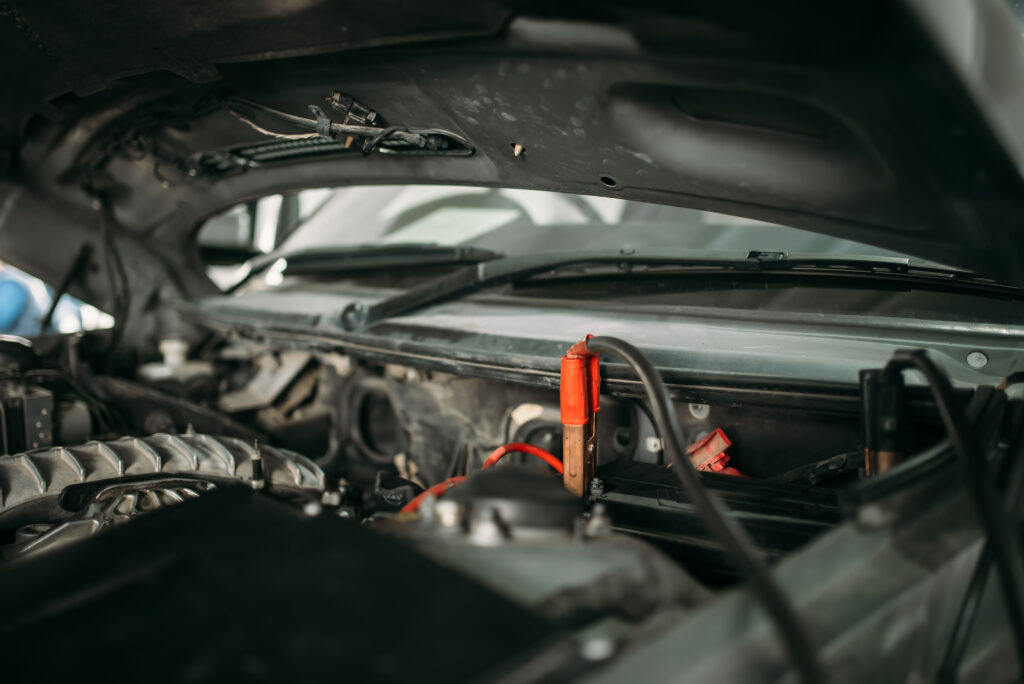
If a jump start gets the vehicle running, the battery or charging system becomes an important area to investigate.
The additional electrical power from another battery may provide enough energy for the starter to crank the engine.
However, successfully jump starting the vehicle does not automatically prove that the battery is the only problem.
A battery can become discharged because it is old, because the alternator is not properly charging it, because something is drawing electricity while the vehicle is parked, or because repeated short trips have left it undercharged.
If you regularly need a jump start when temperatures fall, have the complete starting and charging system tested.
Can You Prevent Cold Weather Starting Problems?
Some cold weather starting problems can be prevented with routine maintenance.
Before winter arrives, consider having the battery tested, particularly if it is several years old or has already shown signs of weakness.
You should also:
- Keep up with recommended oil changes
- Use the manufacturer specified motor oil
- Inspect battery terminals for corrosion
- Make sure battery connections are secure
- Address charging system warning lights
- Avoid leaving unnecessary accessories plugged in
- Have repeated starting problems diagnosed
- Follow your vehicle’s recommended maintenance schedule
Fall is an excellent time to address these issues rather than waiting until the first extremely cold morning exposes a problem.
When Should You Have a Hard Starting Vehicle Inspected?
One slow start during unusually cold weather does not necessarily mean something is wrong.
However, repeated starting problems deserve attention.
Schedule an inspection if your vehicle consistently cranks slowly, requires multiple attempts to start, frequently needs a jump, makes unusual sounds while starting, or becomes noticeably harder to start as temperatures fall.
You should also have the vehicle checked if a battery, charging system, or check engine warning light appears.
Finding the problem early may prevent a minor starting issue from becoming a vehicle that will not start at all.
Conclusion
If you’ve been asking why is my car hard to start when it’s cold, several different systems could be responsible. A weak battery is one of the most common possibilities, but cold weather can also expose problems with the starter, alternator, battery connections, engine oil, ignition system, fuel delivery, or engine management system.
Cold weather naturally makes starting more demanding, but your vehicle should still start reliably when its systems are in good condition. Repeated slow cranking, clicking, jump starts, or extended starting times are signs that something may need attention.
If you’re wondering why is my car hard to start when it’s cold because you’ve already noticed changes as temperatures begin dropping, now is a good time to have your vehicle checked before winter arrives. You can contact us here to schedule service at our Maplewood location or contact us here to schedule service at our Cottage Grove location. A professional inspection can help determine what is causing the starting problem and reduce the chances of being stranded on a cold Minnesota morning.
Further Reading
AAA: How Cold Weather Impacts Your Battery