
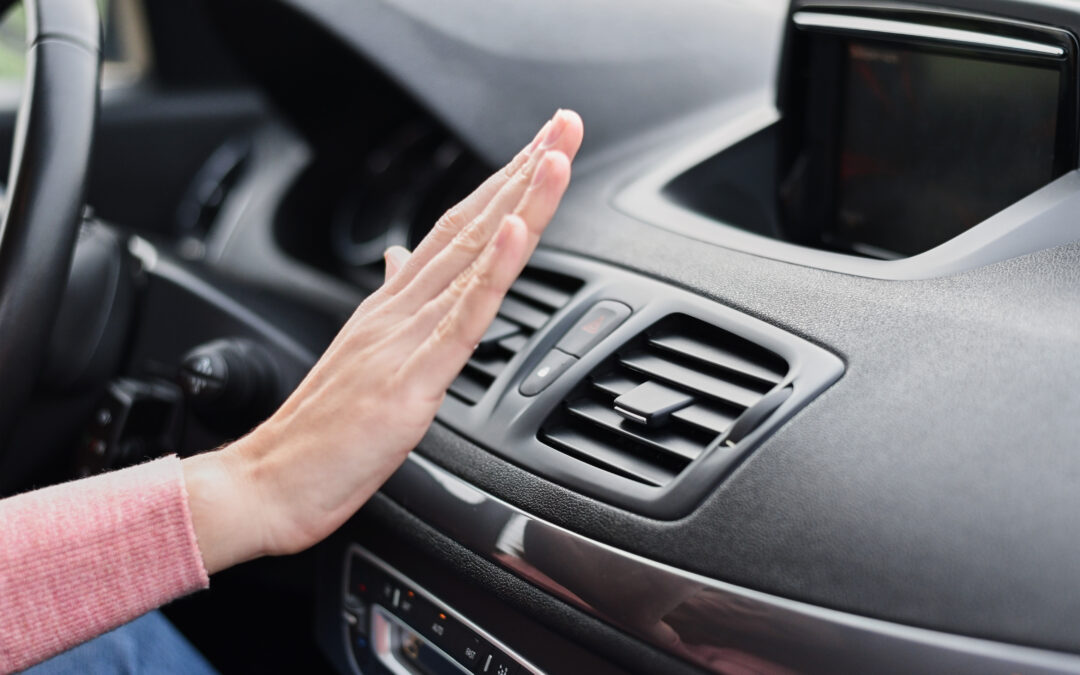
Imagine sitting at a stoplight on a chilly Minnesota morning when the warm air coming from your vents suddenly turns cold. As soon as you accelerate and begin driving again, the heat returns. At first, this might seem like a minor inconvenience, but it can indicate an issue with your vehicle’s heating or cooling system.
Car heater problems can be especially frustrating during fall and winter when dependable cabin heat becomes essential. If your heater works while driving but blows cold air when your vehicle is stopped, there may be an underlying problem affecting coolant circulation or temperature regulation.
While your heater may seem like a separate system, it actually depends on several components that also help regulate engine temperature. Low coolant, trapped air, restricted coolant circulation, and certain mechanical problems can all cause your heater to work while driving but struggle when the vehicle is stopped.
Understanding the causes of car heater problems can help you recognize warning signs before a minor inconvenience turns into an expensive repair.
How Does Your Car’s Heating System Work?
Before exploring the possible causes, it helps to understand how your vehicle produces heat.
Unlike a household furnace, most gasoline powered vehicles do not generate cabin heat using a separate heating unit. Instead, they use heat produced by the engine.
As your engine runs, coolant circulates through passages inside the engine, absorbing heat. Some of that heated coolant travels through a small component called the heater core, which is typically located behind the dashboard.
The blower motor pushes air across the warm heater core and directs that air into the passenger compartment.
Several components work together to make this possible:
- Engine coolant carries heat.
- The water pump circulates coolant.
- The thermostat helps regulate engine temperature.
- The heater core transfers heat into the cabin.
- The blower motor moves air through the vents.
- Climate control doors regulate airflow and temperature.
If coolant is not circulating properly or the engine cannot maintain its operating temperature, the air coming from your vents may become noticeably cooler.
1. Low Engine Coolant Can Cause Car Heater Problems
One of the most common causes of car heater problems is low engine coolant.
Coolant plays two important roles. It helps prevent your engine from overheating and provides the heat needed to warm your vehicle’s interior.
When the coolant level drops, there may not be enough liquid circulating through the heater core to provide consistent warmth.
At higher engine speeds, coolant movement may temporarily improve, allowing warm air to return. When the vehicle slows down or idles, circulation through the heater core may become insufficient again.
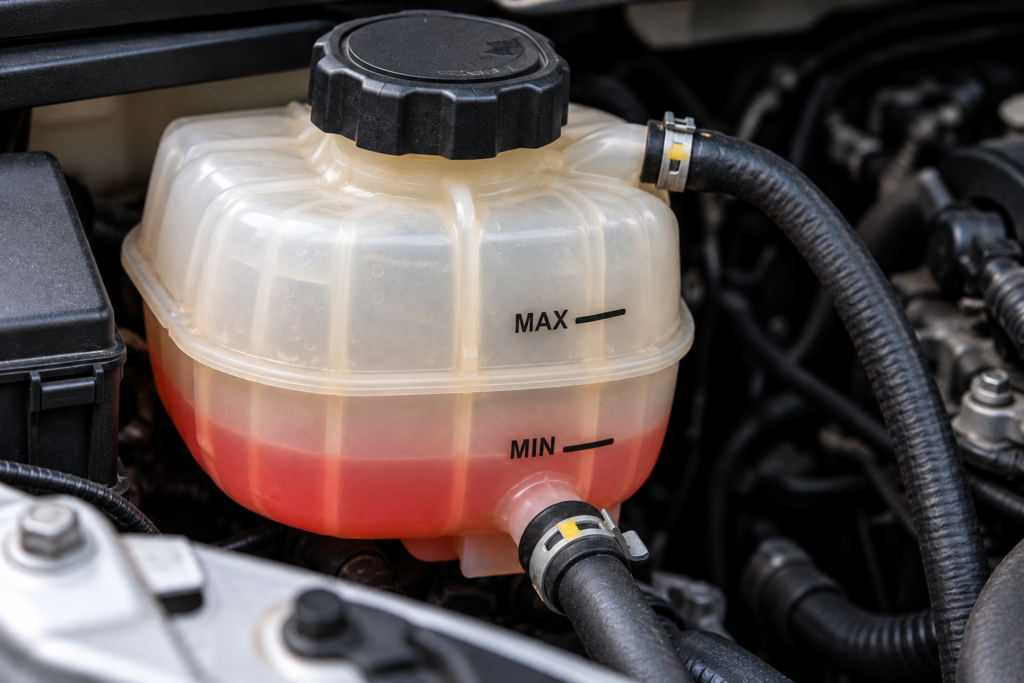
Signs of low coolant
You may notice:
- Warm air while accelerating
- Cold air while sitting at stoplights
- Fluctuating engine temperature readings
- A low coolant warning
- A sweet smell near the vehicle
- Coolant puddles underneath the engine compartment
Low coolant should never be ignored. A cooling system that does not contain enough coolant may eventually allow the engine to overheat.
Only check coolant levels when the engine is completely cool, following your owner’s manual. Never remove a radiator cap or pressurized coolant reservoir cap while the engine is hot.
2. Air Trapped in the Cooling System
Another possible explanation for inconsistent cabin heat is air trapped inside the cooling system.
Your vehicle’s cooling system is designed to circulate liquid coolant through specific passages. When air enters the system, it can interfere with that circulation.
Air pockets may develop after cooling system repairs, coolant replacement, or a leak that allows the coolant level to drop.
If an air pocket collects near the heater core, hot coolant may not flow through it consistently.
As engine speed increases, coolant movement can sometimes temporarily improve, allowing the heater to produce warmer air.
However, once the engine returns to idle, the problem may reappear.
How trapped air affects your heater
Possible symptoms include inconsistent cabin temperatures, gurgling noises behind the dashboard, fluctuating temperature readings, and heat that changes with engine speed.
Correcting the problem may require removing trapped air using the manufacturer’s specified procedure.
Simply adding coolant without addressing the reason air entered the system may not permanently solve the issue.
3. A Clogged Heater Core Can Reduce Cabin Heat
The heater core resembles a small radiator. Heated coolant flows through narrow passages while air moves across the outside of the core.
Over time, deposits, corrosion, or debris can restrict coolant movement through those passages.
When the heater core becomes partially clogged, it may still allow enough coolant to circulate at higher engine speeds but struggle to provide adequate heat while idling.
This can create a noticeable difference between the temperature of the air coming from your vents while driving and while stopped.
Warning signs of a heater core problem
Common symptoms include:
- Weak cabin heat
- Heat that improves when accelerating
- Uneven heating performance
- A heater that takes longer than normal to warm up
A leaking heater core can also cause a sweet smell inside the cabin, damp carpeting, or an unusual film on the windshield.
However, these symptoms do not automatically mean the heater core needs replacement. Other cooling system problems can create similar conditions.
A technician can evaluate coolant circulation and heater core performance before recommending repairs.
4. A Failing Water Pump Can Cause Car Heater Problems
The water pump is responsible for circulating coolant throughout the engine and cooling system.
On many vehicles, the pump’s operating speed changes with engine speed.
When the water pump is functioning correctly, coolant circulates at a rate sufficient to help maintain engine temperature and supply heat to the passenger compartment.
However, a worn or damaged water pump may not circulate coolant effectively.
If coolant flow becomes inadequate at idle but improves as engine speed increases, you may experience heat that returns only when driving.
This is one reason car heater problems can sometimes indicate a more serious cooling system issue.
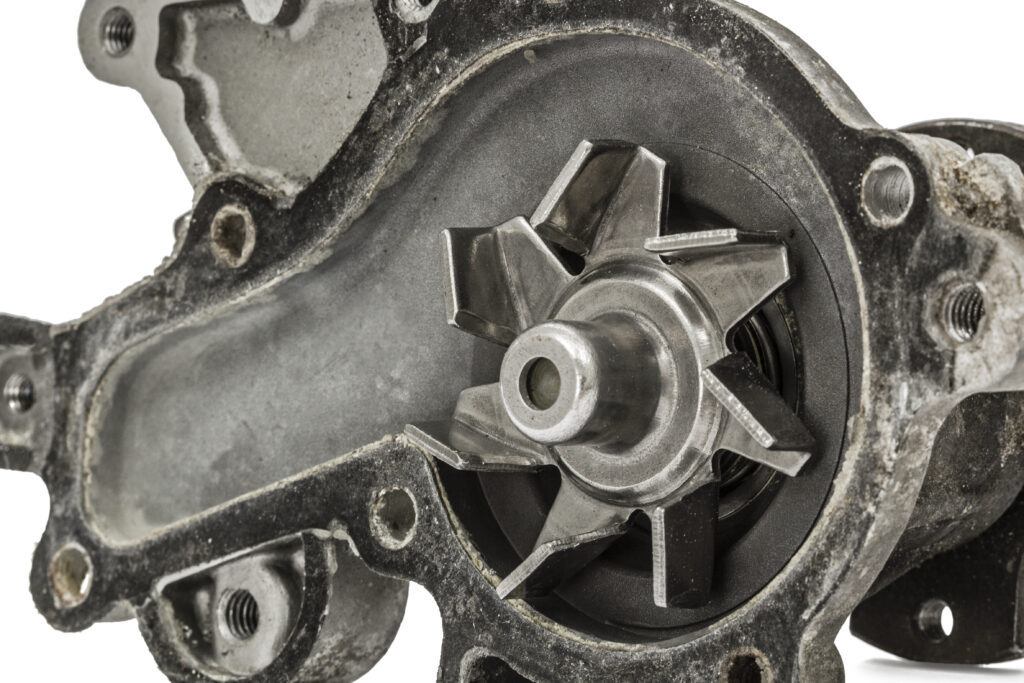
Other signs of water pump trouble
Depending on the problem, symptoms may include:
- Coolant leaks near the pump
- Unusual noises from the engine compartment
- Inconsistent heater performance
- Rising engine temperatures
- Engine overheating
A water pump problem can become more serious than an uncomfortable cabin. If coolant circulation is severely restricted, the engine may overheat and suffer damage.
Because low coolant and trapped air can produce similar symptoms, the water pump should be properly diagnosed before replacement.
5. A Faulty Thermostat May Affect Heater Performance
The thermostat helps regulate engine operating temperature by controlling coolant flow through the radiator.
When the engine is cold, the thermostat generally restricts flow through the radiator so the engine can warm up efficiently.
As the engine reaches its intended operating temperature, the thermostat opens to allow coolant to circulate through the radiator.
If the thermostat becomes stuck open, the engine may take much longer to warm up or struggle to maintain its normal temperature in cold weather.
When the engine does not produce enough sustained heat, the cabin heater may also struggle.
A stuck open thermostat does not always cause the exact pattern of warm air while driving and cold air at idle. In some vehicles, heater performance may actually become worse at highway speeds.
However, thermostat problems should still be considered when diagnosing inconsistent cabin heat, particularly if the engine temperature gauge remains unusually low.
6. A Malfunctioning Heater Control Valve
Some vehicles use a heater control valve to regulate how much hot coolant flows through the heater core.
If the valve becomes stuck, restricted, or operates inconsistently, the heater may not receive the coolant needed to maintain a comfortable cabin temperature.
Depending on the design of the vehicle, the valve may be controlled mechanically, electrically, or through another type of actuator.
Not every vehicle has a separate heater control valve, so this is not a universal cause of heating problems.
A technician can determine whether your vehicle uses this component and whether it is contributing to the loss of heat.
7. Climate Control Malfunctions Can Cause Car Heater Problems
Sometimes the cooling system is working properly, but the climate control system is not directing warm air correctly.
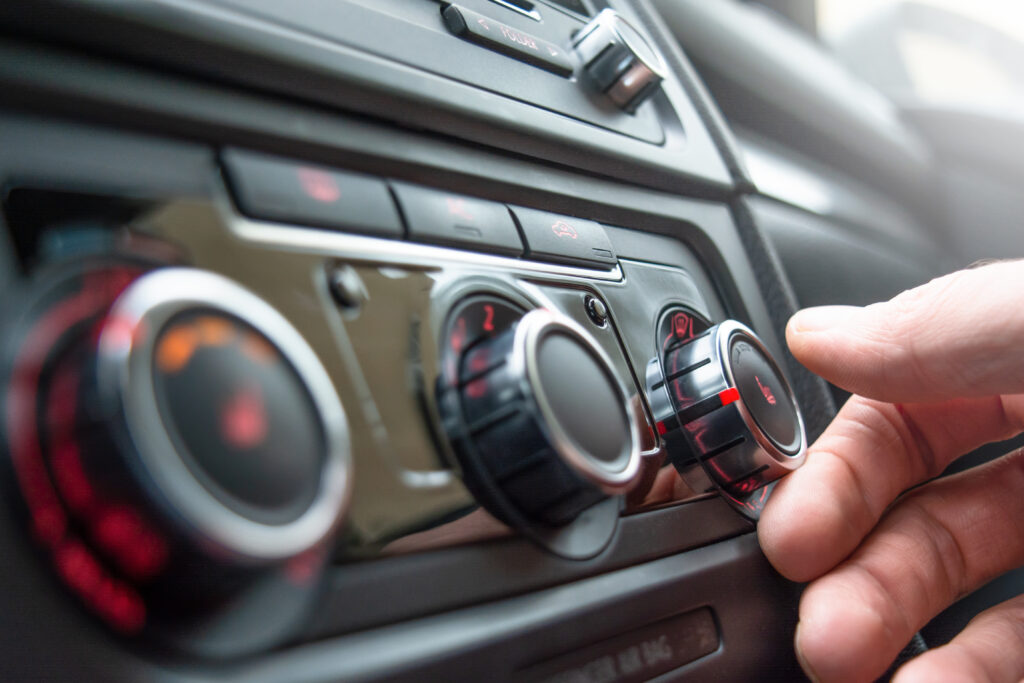
Modern vehicles use doors and actuators inside the dashboard to control where air travels and how much of it passes through the heater core.
A malfunctioning blend door or actuator can cause inconsistent temperatures, clicking noises behind the dashboard, or heat that works on one side of the vehicle but not the other.
Although these problems are not always directly related to driving speed, they can create symptoms that resemble coolant circulation issues.
This is why a complete diagnosis is important rather than assuming every heating problem involves the water pump or heater core.
Why Does My Car Heater Blow Cold Air at Idle?
The difference between driving and idling provides an important diagnostic clue.
When your engine is idling, its operating speed is relatively low. On vehicles with mechanically driven water pumps, coolant circulation generally increases as engine speed rises.
If the cooling system has low coolant, trapped air, or a restriction, that difference in circulation can become noticeable through the heater.
You might experience warm air while traveling down the road, followed by noticeably cooler air when waiting in traffic.
Once you accelerate again, the heat may return.
However, this pattern does not identify one specific failed component. The coolant level, engine temperature, heater core, and circulation system all need to be evaluated.
Is It Normal for My Heater to Get Colder at Stoplights?
A small change in heater performance can occur under certain conditions, particularly during extremely cold weather or while the engine is still warming up.
Some highly efficient engines also produce relatively little excess heat at idle, which can affect cabin heating during very cold conditions.
However, a heater that repeatedly changes from hot to cold every time you stop is not something you should automatically consider normal.
If the vehicle previously maintained consistent heat and has recently started losing warmth at idle, that change deserves attention.
A developing coolant leak or circulation problem may be responsible.
Can Car Heater Problems Lead to Engine Overheating?
Car heater problems do not necessarily cause engine overheating. However, some of the underlying issues responsible for poor cabin heat can also affect the engine’s cooling system.
For example, low coolant or a malfunctioning water pump can interfere with the engine’s ability to regulate temperature.
In some situations, the loss of cabin heat may be an early indication that coolant is not circulating correctly.
Pay attention to warning signs such as:
- Engine temperature gauge rising above normal
- Overheating warning messages
- Steam from the engine compartment
- Coolant leaks
- Sudden loss of cabin heat accompanied by rising engine temperature
If your engine begins overheating, pull over somewhere safe and shut it off. Allow it to cool and arrange for assistance rather than continuing to drive.
Can You Keep Driving With Car Heater Problems?
The answer depends on what is causing the problem.
A malfunctioning climate control actuator may primarily affect comfort. However, low coolant, poor circulation, or another cooling system problem can potentially lead to engine overheating.
There is also a visibility concern.
During Minnesota’s colder months, your heater and defroster help keep the windshield clear. If the system cannot maintain enough warmth to remove condensation or frost, visibility may become compromised.
If your heater is behaving inconsistently, arrange an inspection promptly. Do not continue driving if the engine is overheating or the windshield cannot be kept clear.
How Do Mechanics Diagnose Car Heater Problems?
When a vehicle arrives with a complaint about heat that disappears at idle, a technician will typically begin by confirming the symptoms and evaluating the cooling system.
Depending on the vehicle, the inspection may include:
- Checking the coolant level and condition
- Looking for visible coolant leaks
- Pressure testing the cooling system
- Checking engine operating temperature
- Evaluating thermostat operation
- Inspecting heater hoses
- Testing coolant circulation
- Checking heater core performance
- Inspecting heater control valves when equipped
- Evaluating blend doors and climate control actuators
This process helps distinguish between a relatively simple coolant issue and a more involved mechanical repair.
Replacing parts without testing can become expensive, particularly when several different problems produce nearly identical symptoms.
How to Prevent Common Car Heater Problems
Routine cooling system maintenance can reduce the chances of unexpected heating problems.
Start by following your vehicle manufacturer’s recommended coolant maintenance schedule.
Coolant does more than regulate temperature. It also contains additives designed to protect cooling system components against corrosion.
As coolant ages or becomes contaminated, its protective properties may deteriorate.
You should also address coolant leaks promptly, pay attention to changes in engine temperature, and have unusual heating problems inspected before colder weather arrives.
If your vehicle recently had cooling system work performed and the heater now behaves differently, mention that during your appointment. It may help the technician identify a possible air pocket or circulation issue.
Why Fall Is the Right Time to Address Heater Problems
In Minnesota, heating problems can become much more noticeable as temperatures drop through October and November.
A heater that produces only occasional warmth during mild fall weather may become a significant inconvenience once winter arrives.
In addition to keeping passengers comfortable, a functioning heating and defrosting system is important for maintaining windshield visibility.
Addressing car heater problems before freezing temperatures arrive can help you avoid unexpected repairs and identify cooling system issues before they become more serious.
Conclusion
Car heater problems can have several possible causes, especially when your heater works while driving but blows cold air when the vehicle is stopped. Low coolant, trapped air, a partially clogged heater core, inadequate coolant circulation, thermostat problems, and climate control malfunctions can all contribute to inconsistent cabin temperatures.
Although the problem may initially seem like a minor inconvenience, your vehicle’s heating system is closely connected to the engine’s cooling system. Ignoring changes in heater performance could allow an underlying coolant leak or circulation problem to become more serious.
If you’re experiencing car heater problems and your vents blow warm air on the road but turn cold when you stop, Carlson Auto can help identify the cause. You can contact us here to schedule an inspection at our Maplewood location or contact us here to schedule service at our Cottage Grove location. Our team can evaluate your heating and cooling systems so you can stay comfortable and maintain clear visibility as Minnesota’s colder weather arrives.
Further Reading
Firestone Complete Auto Care: Why Your Car Heater Only Works When Driving