
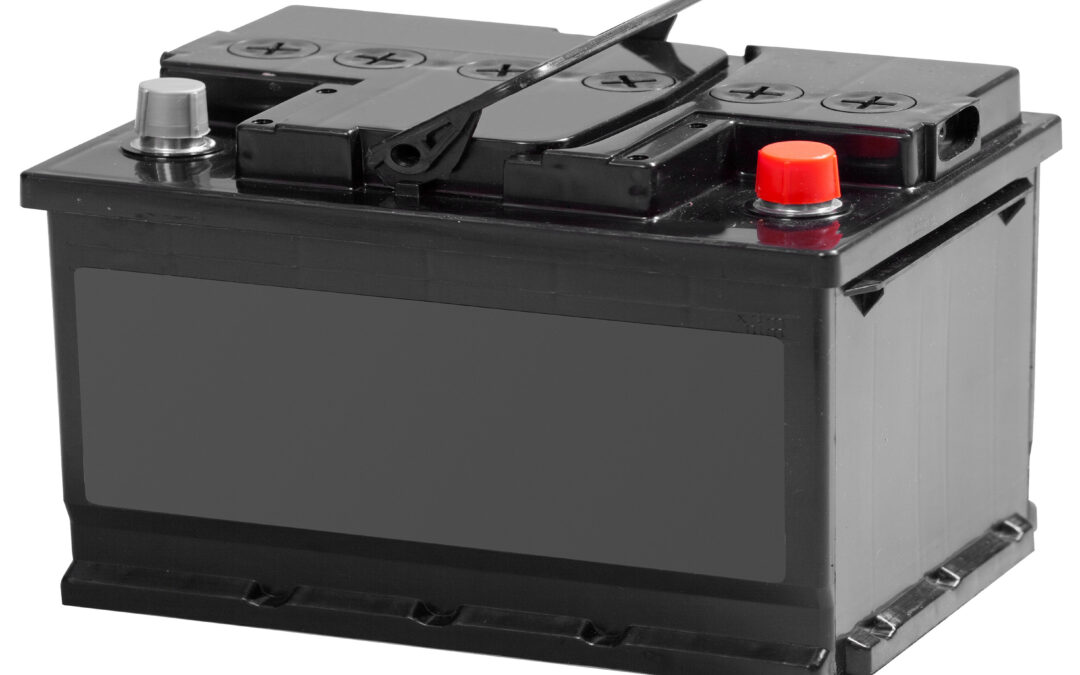
Battery issues in cold weather are one of the most common reasons vehicles fail to start during winter months. As temperatures drop, your car’s battery loses strength while your engine requires more power to turn over. That combination can quickly leave you stranded in your driveway, at work, or in a parking lot.
Understanding battery issues in cold weather helps you prepare before a no-start situation happens. In this guide, we’ll explain why cold temperatures affect your battery, the warning signs to watch for, how to prevent problems, and what steps to take if your vehicle won’t start.
Why Cold Weather Is Hard on Car Batteries
To understand battery issues in cold weather, it helps to know how your battery works. A car battery relies on a chemical reaction to generate electrical power. When temperatures drop, that chemical reaction slows down significantly.
At 32°F, a battery can lose about 20% of its strength. At 0°F, it can lose up to 50% of its available power. Meanwhile, your engine oil thickens in cold temperatures, making the engine harder to crank. That means your battery must work even harder at the exact moment it is least efficient.
This imbalance is the root cause of many battery issues in cold weather.
Common Signs of Battery Issues in Cold Weather
Cold temperatures don’t usually kill a healthy battery overnight. Instead, they expose weaknesses that may have developed over time. Watch for these warning signs:
1. Slow Engine Crank
If your engine turns over slowly when you start the car, that’s one of the earliest indicators of battery issues in cold weather. The engine may sound sluggish or hesitant before finally starting.
2. Clicking Sound When Turning the Key
A rapid clicking noise often means the battery does not have enough power to engage the starter motor. This is a classic symptom of battery issues in cold weather.
3. Dim Headlights
If your headlights appear dimmer than usual, especially when starting the vehicle, your battery may be struggling to supply adequate power.
4. Electrical Malfunctions
Modern vehicles rely heavily on electronics. If your radio resets, dashboard lights flicker, or power windows move slowly, battery issues in cold weather could be the cause.
5. Check Engine or Battery Warning Light
Sometimes the first clue is a dashboard warning light. While it doesn’t always mean your battery is failing, it can signal charging system problems that worsen in cold weather.
Why Older Batteries Are More Vulnerable
Most car batteries last between three and five years. As they age, internal components degrade, reducing their ability to hold a charge. When winter hits, older batteries are far more likely to develop battery issues in cold weather.
Even if your battery worked fine during warmer months, cold temperatures may reveal its declining capacity. That’s why fall and early winter are ideal times to have your battery tested.
The Role of Cold Cranking Amps (CCA)
Cold Cranking Amps (CCA) measure a battery’s ability to start an engine in cold temperatures. The higher the CCA rating, the better the battery performs in winter conditions.
If your vehicle requires a specific CCA rating and your battery is below that threshold, you’re more likely to experience battery issues in cold weather. Installing a battery that meets or exceeds your manufacturer’s specifications is essential for reliable winter performance.
How Short Trips Make Things Worse
Frequent short trips can contribute to battery issues in cold weather. When you start your vehicle, the battery delivers a significant burst of energy. If you only drive a short distance, the alternator may not have enough time to fully recharge the battery.
Over time, this repeated partial charging weakens the battery and increases the likelihood of winter starting problems.
Corrosion and Loose Connections
Battery issues in cold weather aren’t always caused by the battery itself. Corroded terminals or loose cable connections can restrict electrical flow, making it harder for the battery to deliver power.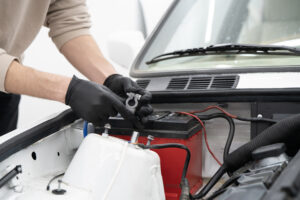
Signs of corrosion include:
-
White, blue, or green powder around battery terminals
-
Difficulty starting even with a relatively new battery
-
Intermittent electrical issues
Cleaning terminals and ensuring tight connections can prevent unnecessary starting failures.
What to Do If Your Car Won’t Start
If you’re already dealing with battery issues in cold weather and your vehicle won’t start, follow these steps:
-
Turn off all accessories, including lights and the heater.
-
Try starting the car again after waiting a few minutes.
-
If it still won’t start, use jumper cables or a portable jump starter.
-
Drive for at least 20–30 minutes after a successful jump to recharge the battery.
If the problem repeats, it’s time to have your battery and charging system tested.
Preventing Battery Issues in Cold Weather
The best way to handle battery issues in cold weather is prevention. Here are proactive steps you can take:
Test Your Battery Before Winter
A professional battery test measures voltage, cold cranking amps, and overall health. Identifying a weak battery early helps avoid unexpected breakdowns.
Replace Aging Batteries
If your battery is more than three years old, consider proactive replacement before winter. It’s far less stressful to replace a battery in your driveway than in a freezing parking lot.
Keep Your Battery Clean
Remove corrosion from terminals and ensure connections are tight. This simple maintenance step can significantly reduce battery issues in cold weather.
Park in a Garage
Whenever possible, park in a garage to protect your vehicle from extreme temperature drops.
Limit Short Trips
Combine errands to allow your alternator enough time to recharge the battery fully.
The Charging System Matters Too
Sometimes battery issues in cold weather are actually caused by a failing alternator. The alternator recharges the battery while you drive. If it isn’t functioning properly, your battery may never fully recharge, leading to repeated starting problems.
A complete charging system inspection checks:
-
Battery condition
-
Alternator output
-
Starter performance
-
Electrical connections
Addressing these components together ensures reliable winter performance.
Emergency Winter Battery Kit
To prepare for unexpected battery issues in cold weather, consider keeping these items in your vehicle:
-
Jumper cables
-
Portable jump starter
-
Battery terminal cleaner
-
Flashlight
-
Warm gloves
Preparation can make a significant difference in a stressful winter situation.
When to Seek Professional Help
If you experience repeated battery issues in cold weather, don’t ignore the problem. Frequent jump-starts, slow cranking, or dashboard warning lights indicate that your vehicle needs professional inspection.
A certified technician can determine whether the issue is:
-
A failing battery
-
A weak alternator
-
A faulty starter
-
Corroded wiring or connections
Early diagnosis prevents more serious breakdowns and ensures dependable winter driving.
Conclusion
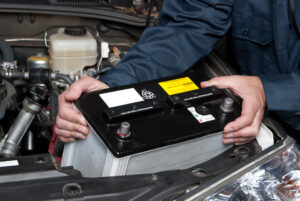 Battery issues in cold weather are common, but they are also preventable. Cold temperatures reduce battery efficiency while increasing engine demand, creating the perfect conditions for a no-start situation. By recognizing early warning signs, testing your battery before winter, and maintaining your charging system, you can avoid unexpected breakdowns.
If you’re experiencing battery issues in cold weather, schedule a professional battery and charging system inspection at our Cottage Grove location or our Maplewood location. Our technicians can test your battery, inspect your alternator, and make sure your vehicle is prepared for Minnesota’s harsh winter conditions.
Taking action now helps you stay confident and reliable on the road all season long.
Further Reading
How Cold Weather Affects Car Batteries – AAA
https://www.aaa.com/autorepair/articles/how-does-cold-weather-affect-car-batteries
Car Battery Maintenance Tips – Consumer Reports
https://www.consumerreports.org/cars/car-maintenance/how-to-maintain-your-car-battery-a6582408131/
Understanding Cold Cranking Amps – Interstate Batteries
https://www.interstatebatteries.com/blog/what-are-cold-cranking-amps