If you’ve ever pressed down on your brake pedal and felt your steering wheel or entire vehicle begin to shake, you know how unsettling the experience can be. Not only does it raise questions about your safety on the road, but it also leaves you wondering what kind of repair bill might be around the corner. Drivers often ask: Why is my car shaking when I brake?
This guide will walk you through the most common causes of brake-related vibrations, explain why ignoring the problem could be dangerous, and give you practical steps for getting the issue resolved. 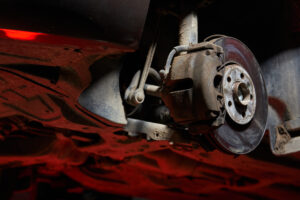
Why Addressing Brake Shaking is Critical
When your car shakes during braking, it’s often an early warning sign that something is wrong within your braking or suspension system. The longer you wait, the worse the problem can become. For instance, a small issue like a worn brake pad can eventually cause damage to rotors or calipers, leading to more expensive repairs. Even more importantly, ignoring brake vibrations could compromise your stopping power, putting you and others at risk.
Common Reasons Why Your Car Shakes When Braking
Let’s dive into the top culprits behind the question: Why is my car shaking when I brake?
1. Warped Brake Rotors
One of the most common reasons for brake vibration is warped rotors. Brake rotors are the flat, round discs your brake pads clamp down on to stop the vehicle. Over time, especially if brakes overheat, these rotors can wear unevenly or warp.
When the brake pads make contact with an uneven surface, the result is a noticeable vibration—often felt in the steering wheel. Drivers who frequently drive down hills or tow heavy loads may be more prone to this issue because of increased braking heat.
Fix: Rotors may need to be resurfaced if the damage is minor, but in many cases replacement is the best long-term solution.
2. Worn Brake Pads
Brake pads naturally wear down over time, but if they wear unevenly, you may notice shaking when braking. Additionally, poor-quality brake pads can leave deposits on the rotor surface, which creates vibration.
Fix: Replace brake pads before they wear down too far. Higher-quality pads often provide smoother braking and last longer.
3. Sticking Brake Calipers
Brake calipers are responsible for pressing the brake pads against the rotors. If one caliper sticks or seizes, braking pressure becomes uneven, which may cause the car to shake. In severe cases, you may also smell a burning odor after driving.
Fix: Sticking calipers usually need professional repair or replacement.
4. Wheel Alignment Problems
If your wheels aren’t aligned correctly, you may feel shaking not just when braking but also when driving at higher speeds. However, misalignment can exaggerate vibrations during braking, especially if combined with worn suspension components.
Fix: Have a technician check and adjust alignment. It’s a relatively affordable service that can also extend tire life.
5. Suspension or Steering Issues
Components like ball joints, tie rods, or control arms can wear out, and when they do, your car may shake while braking. Since the suspension is responsible for maintaining stability, any weakness in these parts can show up as vibrations.
Fix: Suspension repairs vary depending on which parts are failing, but catching the problem early can save you from costlier replacements down the road.
6. Tire Issues
Sometimes the answer to “Why is my car shaking when I brake?” has less to do with the brakes and more to do with the tires. Uneven tire wear, a flat spot, or even under-inflated tires can all lead to vibrations during braking.
Fix: Regular tire rotations, balancing, and pressure checks help reduce these problems.
Signs the Problem is Getting Worse
It’s important not to ignore the early signs of brake vibrations. Here’s when you should seek service immediately:
-
Vibrations are getting stronger or more frequent.
-
Steering becomes harder to control while braking.

-
You hear grinding or squealing noises.
-
Brake warning lights illuminate on your dashboard.
-
You notice a burning smell after driving.

These symptoms often mean the damage is escalating and can quickly affect your safety.
Why DIY Isn’t Always the Best Option
Some car owners attempt to diagnose brake shaking themselves, but braking systems are too critical to leave to guesswork. Without the proper tools and training, it’s easy to misdiagnose the cause, potentially replacing parts that don’t need replacing while missing the actual problem.
A professional mechanic can use specialized equipment to measure rotor thickness, check for uneven wear, and inspect calipers and suspension systems. This saves you money and ensures your vehicle is road-safe.
Preventing Brake Vibrations in the Future
Now that you know the common answers to “Why is my car shaking when I brake?” let’s talk about prevention.
-
Schedule Regular Brake Inspections: Catching worn pads or rotors early prevents more serious problems.
-
Avoid Hard Braking: Slamming on brakes increases heat and stress on rotors.
-
Rotate Tires on Schedule: Promotes even wear and reduces vibrations.
-
Use High-Quality Brake Parts: While cheaper pads might save money upfront, they wear faster and may cause rotor damage.
-
Maintain Proper Tire Pressure: Small steps like checking tire pressure monthly help maintain a smoother, safer ride.
Local Relevance: Why Minnesota Drivers Notice Brake Shaking More
Minnesota drivers face unique conditions that can worsen brake issues. Cold winters, road salt, and potholes all contribute to wear and tear on braking and suspension systems. Road salt, in particular, can cause corrosion in brake components, while rough roads increase stress on rotors and suspension parts.
For drivers in Cottage Grove, Maplewood, and surrounding areas, regular inspections are especially important to prevent minor issues from becoming serious repairs.
When to Call a Professional
If you’re still asking yourself, “Why is my car shaking when I brake?” after going through this list, it’s time to book an inspection. Brake problems aren’t just inconvenient—they’re a safety issue.
At Carlson Auto Service, our ASE-certified technicians use advanced diagnostic tools to pinpoint the exact cause of brake vibrations. We’ll recommend the right repair—whether it’s new brake pads, rotor replacement, or suspension service—so you can drive with confidence again. You can schedule your appointment with our Cottage Grove location here, and our Maplewood location here.
Final Thoughts
Brake vibrations can stem from something as simple as worn pads or as complex as a suspension issue. The key takeaway is not to ignore the problem. By addressing the issue early, you protect both your vehicle and your safety.
So the next time you ask, “Why is my car shaking when I brake?”—remember there are clear answers, proven fixes, and local experts ready to help.
Sources
-
-
Tires Plus – What Causes a Car to Shake When I Brake?
https://www.tiresplus.com/blog/brakes/car-shakes-when-i-brake/ -
Kia – Why Does My Car Shake When I Brake?
https://www.kia.com/la/discover-kia/ask/why-does-my-car-shake-when-i-brake.html -
Trodo – Why Does My Car Shake When Braking? 7 Possible Reasons
https://www.trodo.com/blog/what-to-do-if-your-car-shakes-when-braking-7-possible-reasons -
Performance Honda – Why Does My Car Shake When I Brake?
https://www.performancehondastore.com/blog/why-does-my-car-shake-when-i-brake/
-