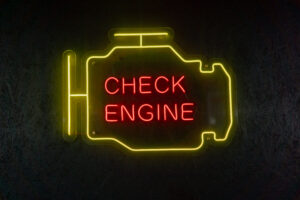
Introduction: That Mysterious Yellow Light
Few things are more frustrating than seeing your check engine light suddenly glow on your dashboard. It’s a vague alert with no clear direction—but it doesn’t always mean disaster. In fact, many causes are simple and inexpensive to fix.
If you’ve been asking yourself, “Why is my check engine light on?”, here are the 5 most common reasons and what you can do about each one.
1. Loose or Faulty Gas Cap
The Problem:
Your gas cap might seem insignificant, but it plays a big role in sealing your fuel system. A loose or cracked cap can trigger a check engine light by allowing fuel vapors to escape.
Symptoms:
-
Light comes on shortly after refueling
-
No noticeable driving issues
Easy Fix:
Tighten the cap until you hear it click. If that doesn’t solve it within a few driving cycles, replace the cap—it’s a $15–$25 fix.
Local Tip:
If you live in Minnesota, where winter refueling is common, cold weather can cause rubber seals to crack faster. It’s worth checking!
2. Failing Oxygen Sensor (O₂ Sensor)
The Problem:
The oxygen sensor monitors unburned oxygen in your exhaust. If it fails, it can mess up your air-fuel ratio and emissions system.
Symptoms:
-
Poor gas mileage
-
Rough idle or misfire
-
Smell of rotten eggs from exhaust
Easy Fix:
An OBD-II scanner will show codes like P0130–P0167. Replacing the sensor usually costs $100–$300, depending on labor.
Pro Tip:
Ignoring this issue too long can damage your catalytic converter—an expensive repair.
3. Worn Spark Plugs or Ignition Coils
The Problem:
Spark plugs and coils are critical for engine ignition. When they’re worn, they can cause engine misfires, which trip the check engine light.
Symptoms:
-
Jerky acceleration
-
Difficulty starting
-
Reduced power
Easy Fix:
If the code points to a misfire (e.g., P0301–P0306), you may only need a new spark plug or coil in that cylinder. Cost ranges from $100–$400 depending on your vehicle and how many need replacement.
4. Dirty or Failing Mass Air Flow (MAF) Sensor
The Problem:
The MAF sensor measures how much air enters the engine. If it gets dirty or fails, your car can run lean or rich—triggering a check engine light.
Symptoms:
-
Hesitation during acceleration
-
Poor fuel economy
-
Engine stalling
Easy Fix:
You can try cleaning the sensor with MAF cleaner spray (around $10 at auto parts stores). If cleaning doesn’t work, replacement may cost $200–$300.
5. Catalytic Converter Problems
The Problem:
Your catalytic converter reduces harmful emissions. If it becomes clogged or fails, it affects performance and triggers codes like P0420 or P0430.
Symptoms:
-
Sulfur/rotten egg smell
-
Reduced fuel efficiency
-
Sluggish acceleration
Easy Fix:
Unfortunately, this is one you can’t ignore or DIY easily. If you’re seeing a converter-related code, it’s best to schedule a visit with your mechanic. Replacement can range from $900–$2,000, depending on make/model.
Bonus: Use a Free OBD-II Scanner
Most auto parts stores—like AutoZone or O’Reilly—offer free code scanning. You can also buy a Bluetooth scanner ($20–$50) and use an app like Torque or OBDFusion to diagnose the issue at home.
When to See a Mechanic
If your check engine light is blinking or your car shows signs of severe performance issues (loss of power, smoke, overheating), don’t wait—schedule service immediately.
If the light is steady and you’re not noticing symptoms, it’s usually safe to drive short distances while you investigate.
Final Thoughts
When you’re wondering, “Why is my check engine light on?”, remember: not all causes are serious, and many have easy fixes. But ignoring it can lead to bigger problems—and bigger bills—down the road.
If you’re in the Maplewood or Cottage Grove area and need help diagnosing or repairing your vehicle, schedule an appointment with Carlson Auto Service today. Our ASE-certified technicians will pinpoint the problem and get you safely back on the road.
Sources
-
“Check Engine Light Reasons: Why It’s On And What You Should Know,” CoursePivot roda.com+4coursepivot.com+4rpmeng.com+4copperhead-diesel.com+8eurotechmn.com+8bramanmiamihyundai.com+8tritonautocare.comroda.com
-
“Common Causes of a Check Engine Light,” Cary Car Care carycarcare.com
-
“Decoding the Check Engine Light – 5 Must Know Causes,” TheCarGuys thecarguys.net+1roda.com+1
-
“Check Engine Light: Causes & Fixes Every Driver Should Know,” Triton Auto Care tritonautocare.com
-
Wikipedia: Oxygen sensor en.wikipedia.org
-
Wikipedia: Catalytic converter roda.com+5en.wikipedia.org+5