When your vehicle’s air conditioning fails on a hot day, it can quickly turn a comfortable drive into a frustrating ordeal. Whether you’re commuting through city traffic or headed out on a summer road trip, your car’s AC system is essential for maintaining comfort. But like all systems in your vehicle, it can run into problems. Car AC issues are among the most common complaints drivers face, especially during the warmer months. This guide breaks down how your car’s AC system works, the most common car AC issues, and how to fix them before they become major repairs.
How Your Car’s AC System Works
Understanding how your car’s AC system works gives you a better foundation for diagnosing car AC issues. Your system operates through a closed-loop cycle involving several key components:
-
Compressor: Pressurizes the refrigerant and moves it through the system.
-
Condenser: Releases heat as refrigerant moves from gas to liquid.
-
Receiver/Drier or Accumulator: Filters moisture and debris from the refrigerant.
-
Expansion Valve or Orifice Tube: Regulates refrigerant flow into the evaporator.
-
Evaporator: Absorbs heat from inside the cabin and cools the air.
-
Blower Fan: Pushes cold air through the vents into the interior.
Each component must work properly for the system to deliver cold air. When one part fails, it can cause a variety of car AC issues ranging from mild discomfort to total system failure.
Why Car AC Issues Shouldn’t Be Ignored
Car AC issues are more than just inconvenient. They can affect your comfort, vehicle resale value, and even health, especially if the cabin air is contaminated with mold or bacteria. Some car AC problems also point to deeper mechanical issues, such as leaks or electrical faults. Ignoring symptoms can lead to expensive repairs down the road.
Addressing car AC issues promptly not only saves money but ensures your system continues to operate efficiently when you need it most.
Common Car AC Issues and How to Solve Them
Now let’s explore the most common car AC issues and the best solutions for each.
1. AC Blowing Warm Air

Cause: Low refrigerant levels, compressor failure, or leaks in the system.
Solution: Recharge the refrigerant and repair any leaks. A faulty compressor may require replacement. This is one of the most frequently reported car AC issues and should be addressed quickly.
2. Weak or No Airflow
Cause: A clogged cabin air filter, malfunctioning blower motor, or obstructed vents.
Solution: Replace the cabin filter and inspect the blower motor. If airflow is still restricted, a technician should inspect the system for blockages.
3. Bad Odors from Vents
Cause: Mold or mildew growing in the evaporator or air filter.
Solution: Replace the filter and disinfect the evaporator core. This type of car AC issue can often be avoided with regular system cleaning.
4. Strange Noises When AC Is Running
Cause: Worn or loose components such as the compressor clutch, blower fan, or AC belt.
Solution: Have a technician identify the source of the noise. Continuing to use the system while components are worn may lead to larger car AC issues.
5. Water Leaking Inside the Cabin
Cause: A clogged evaporator drain can cause condensation to overflow into the passenger compartment.
Solution: Clear the drain line to restore proper water flow. This issue is common in humid climates and is among the more annoying car AC issues to deal with if ignored.
6. Compressor Frequently Cycles On and Off
Cause: This behavior can result from low refrigerant, electrical problems, or a malfunctioning pressure sensor.
Solution: Diagnosing this type of car AC issue often requires a scan tool and refrigerant pressure check by a professional.
7. Refrigerant Leaks
Cause: Aging seals, worn hoses, or corrosion can allow refrigerant to escape.
Solution: Leak detection dye or electronic tools can identify the source. The system should then be sealed and recharged.
When to See a Professional for Car AC Issues
While some issues like replacing the cabin filter can be a DIY job, most car AC issues require professional tools and expertise. Certified technicians can:
-
Check system pressure and refrigerant levels
-
Detect leaks with precision tools
-
Ensure the compressor and electrical systems are functioning correctly
-
Safely recover and recharge refrigerant
If your AC system is underperforming or showing signs of failure, a full inspection can uncover hidden car AC issues before they lead to a system-wide failure.
How to Prevent Car AC Issues
Preventive maintenance is the best way to avoid car AC issues and save on long-term repair costs. Here are some simple tips:
-
Run the AC Weekly: Even in the winter, run your AC system for 10 minutes to keep seals and hoses from drying out.
-
Replace the Cabin Air Filter: Dirty filters reduce airflow and can contribute to unpleasant smells.
-
Schedule Annual Inspections: A professional AC check each year helps detect leaks, monitor refrigerant levels, and keep the system running efficiently.
-
Don’t Overload the System: Avoid running your AC on max for extended periods, especially in stop-and-go traffic.
Regular maintenance reduces the risk of future car AC issues and ensures your comfort year-round.
What Happens During a Car AC Service Appointment?
A thorough car AC service includes: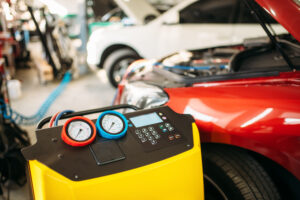
-
Visual Inspection: Check all visible AC components for damage or wear.
-
Performance Test: Measure the temperature of air coming from the vents.
-
Pressure Test: Use gauges to monitor system pressure levels.
-
Leak Detection: Use UV dye or electronic tools to check for refrigerant leaks.
-
Component Function Test: Inspect compressor, fan, valves, and switches.
This multi-step process ensures all potential car AC issues are addressed accurately and efficiently.
Environmental Concerns and AC Refrigerant
Many car AC issues involve refrigerant leaks, which can contribute to environmental damage. Older systems used R-134a, which is now being replaced by more eco-friendly options like R-1234yf. Professional repair shops are equipped to handle, recycle, and dispose of refrigerant according to EPA regulations, minimizing environmental impact.
If your car still uses older refrigerant, it may be worth upgrading during your next AC repair to prevent leaks and improve efficiency.
Final Thoughts: Stay Cool by Tackling Car AC Issues Early
Understanding your car’s AC system helps you detect problems early, communicate clearly with technicians, and make informed maintenance decisions. Whether it’s warm air, strange smells, or poor airflow, car AC issues are a common and solvable part of vehicle ownership.
Don’t wait until the heat becomes unbearable. At the first sign of trouble, schedule an inspection with Carlson Auto. You can schedule your appointment with the Maplewood location here, and you can schedule your appointment with Cottage Grove location here. Fixing car AC issues early ensures a comfortable ride, avoids major breakdowns, and keeps your system working efficiently throughout the year.
Sources
-
Car and Driver – Why Is My Car’s Air Conditioner Not Blowing Cold Air?
https://www.caranddriver.com/car-maintenance/a27110490/car-air-conditioner-not-working/ -
AAA – Car AC Problems: Why Is My AC Blowing Hot Air?
https://www.aaa.com/autorepair/articles/why-is-my-car-ac-blowing-hot-air -
NAPA – What’s Wrong With My Car AC? Common Problems & Solutions
https://www.napaonline.com/en/advice/car-ac-problems -
Firestone Complete Auto Care – How Does Car Air Conditioning Work?
https://www.firestonecompleteautocare.com/blog/air-conditioning/how-does-car-air-conditioning-work/ -
YourMechanic – Symptoms of a Bad or Failing AC Compressor
https://www.yourmechanic.com/article/symptoms-of-a-bad-or-failing-ac-compressor -
EPA – Handling and Recycling of Refrigerants
https://www.epa.gov/mvac/what-mvac