Introduction
Fall in the Twin Cities can be unpredictable—one week it’s 60 degrees and sunny, the next it’s snowing. That transitional period between crisp autumn air and winter chill is critical for vehicle maintenance. Preparing your car in mid-fall ensures you don’t get stranded in the cold once temperatures dip below freezing.
From checking your battery to topping off fluids and inspecting your tires, mid-fall car prep can save you from winter breakdowns and costly repairs. Whether you’re commuting through Minneapolis traffic or navigating icy St. Paul backroads, a few proactive steps now can make all the difference when winter hits.
Why Mid-Fall Car Prep Matters
Twin Cities winters are notoriously tough on vehicles. Between road salt, ice buildup, and extreme cold, even minor mechanical issues can become major problems. Mid-fall car prep allows you to catch small issues before they turn into big ones.
Cold weather can:
-
Drain your battery faster
-
Thicken engine oil and fluids
-
Deflate tires and affect traction
-
Freeze windshield wiper fluid and lines
-
Cause belts and hoses to crack
By taking care of maintenance now, you can prevent those cold-morning surprises when your car won’t start—or worse, when you find yourself stranded on the side of the road in subzero temperatures.
Step 1: Check Your Battery
A weak battery is one of the most common reasons Twin Cities drivers get stranded in winter. Cold weather slows the chemical reactions inside the battery, making it harder for your engine to start.
During your mid-fall car prep, have your battery tested at a local shop. Most auto service centers can perform a quick diagnostic check to measure voltage and cranking power. If your battery is over three years old, consider replacing it before temperatures drop below freezing.
Also, check for corrosion around the terminals and ensure cables are secure. Clean off any buildup using a wire brush and a simple baking soda-and-water solution. A clean, strong connection means better performance when you need it most.
Step 2: Inspect Your Tires
Tires are your car’s first line of defense against slippery roads. Proper tire maintenance during mid-fall car prep helps ensure traction when snow and ice appear.
-
Check tread depth: Use the penny test—insert a penny into your tire’s tread with Lincoln’s head down. If you can see the top of his head, it’s time to replace your tires.
-
Check air pressure: Tire pressure drops about 1 PSI for every 10 degrees the temperature falls. Proper inflation improves handling and fuel efficiency.
-
Consider winter tires: All-season tires are fine for mild weather, but dedicated winter tires provide superior grip and control on icy Minnesota roads.
Rotating your tires in mid-fall also helps even out wear and extend their lifespan before the heavy driving of winter begins.
Step 3: Replace or Refill Fluids
Fluids are vital to keeping your car running smoothly, especially when the cold sets in. During your mid-fall car prep, check and top off these key fluids:
-
Engine oil: Cold temperatures thicken oil, making it harder for your engine to turn over. If it’s been more than 3,000–5,000 miles since your last oil change, now’s the time. Consider switching to synthetic oil for better cold-weather protection.
-
Coolant (antifreeze): Coolant prevents your engine from freezing. Check the concentration and refill as needed—most vehicles require a 50/50 mix of antifreeze and water.
-
Windshield washer fluid: Replace summer fluid with one designed for winter that won’t freeze.
-
Transmission and brake fluid: Low or dirty fluid can cause sluggish performance or system damage. Have these checked by a trusted mechanic.
Keeping fluids clean and full ensures your car runs efficiently and protects key components from freezing or corrosion.
Step 4: Inspect Brakes and Suspension
Cold weather and icy roads demand reliable stopping power. A mid-fall brake inspection is essential for safety.
Listen for squeaking, grinding, or any pulsing when braking—these are signs you may need new pads or rotors. Also, have your brake fluid checked, as moisture buildup can lead to corrosion or reduced braking performance in cold conditions.
Suspension components also take a beating during winter due to potholes, salt, and rough roads. Have your shocks, struts, and alignment inspected to ensure your car handles well and doesn’t pull to one side. A stable suspension keeps your tires in contact with the road, improving traction and safety.
Step 5: Test Your Heating System
Mid-fall car prep should always include a test of your heating and defrost systems. These systems are vital for both comfort and visibility during Twin Cities winters.
Turn on your heater and defroster to make sure they’re working properly. If the air isn’t warm, you could have a coolant circulation issue or a faulty thermostat. If your defroster is weak, it may indicate a clogged cabin filter or low refrigerant levels in your HVAC system.
Fixing these issues now will prevent unpleasant surprises when the temperature drops below zero.
Step 6: Replace Wiper Blades
Your windshield wipers are essential for clear visibility during snow and sleet. During mid-fall car prep, check your wipers for cracks, streaking, or stiffness. Replace them if they’re more than six months old or if they leave streaks on the glass.
Consider upgrading to winter-specific wiper blades, which are designed to resist ice buildup and maintain flexibility in freezing temperatures. Don’t forget to fill your washer fluid reservoir with winter-grade fluid that won’t freeze.
Step 7: Check Lights and Visibility
With shorter days and longer nights in fall and winter, visibility becomes critical. Check all exterior lights—headlights, brake lights, turn signals, and fog lights—to make sure they’re working properly.
Clean any cloudy or fogged headlight covers, and replace dim bulbs. If your headlights seem weak even after cleaning, upgrading to LED or high-performance halogen bulbs can dramatically improve visibility in snowy conditions.
Step 8: Protect Your Car’s Exterior
Salt and road grime can corrode your car’s paint and undercarriage. As part of your mid-fall car prep, wash and wax your vehicle to create a protective barrier against the elements.
If possible, have your car’s undercarriage sprayed with an anti-rust coating before winter begins. Regular car washes throughout the season—especially after snowstorms—will help remove salt buildup and prevent long-term damage.
Step 9: Prepare an Emergency Kit
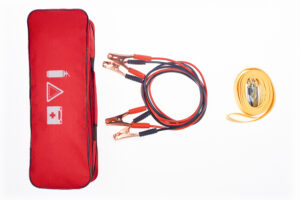
Even with the best maintenance, emergencies can happen. Every Twin Cities driver should carry a winter emergency kit during the colder months. Include:
-
Jumper cables

-
Ice scraper and snow brush
-
Blanket and warm gloves
-
Flashlight with extra batteries
-
First aid kit
-
Small shovel and sand or kitty litter for traction
-
Non-perishable snacks and bottled water
Keep your gas tank at least half full to prevent the fuel line from freezing and to ensure you have enough fuel in case you get stuck in traffic or snow.
Step 10: Schedule a Professional Inspection
If you’re not comfortable performing these checks yourself, schedule a professional inspection at a trusted auto repair shop in the Twin Cities. Mechanics can identify issues that may not be obvious, such as battery weakness, minor leaks, or worn belts.
A pre-winter inspection ensures peace of mind and helps you avoid roadside emergencies when temperatures plunge.
Conclusion
Mid-fall car prep is one of the most important steps Twin Cities drivers can take to ensure safe, reliable winter driving. Checking your battery, tires, brakes, and fluids before the deep freeze sets in can prevent costly breakdowns and keep your car running smoothly all season long.
If you want expert help preparing your vehicle for winter, contact Carlson Auto Service in Cottage Grove here or Maplewood here. Our ASE-certified technicians can perform a complete inspection and help you stay safe on the road all winter.
Further Reading
-
AAA – Winter Car Maintenance Tips
https://www.aaa.com/autorepair/articles/winter-car-maintenance-tips -
NAPA Know How Blog – Fall Car Care Tips
https://knowhow.napaonline.com/fall-car-care-tips/ -
Car and Driver – How to Get Your Car Ready for Winter
https://www.caranddriver.com/features/how-to-get-your-car-ready-for-winter -
Consumer Reports – Winter Car Prep Checklist
https://www.consumerreports.org/cars-car-maintenance/winter-car-prep-checklist/ -
Bridgestone Tires – Winter Tire and Maintenance Guide
https://www.bridgestonetire.com/learn/maintenance/winter-tire-guide/