
Maintaining your vehicle’s engine is crucial for ensuring its longevity and optimal performance. One of the simplest yet most essential maintenance tasks every car owner must prioritize is regular oil changes. But why is this routine service so important? And how often should you really go for an oil change? In this article, we’ll dive deep into the importance of regular oil changes, explore the consequences of neglect, and provide expert guidance on timing your oil changes for maximum benefit.
Why Are Regular Oil Changes So Important?
Engine oil plays a vital role in your car’s overall health. It lubricates the engine components, reduces friction, absorbs heat, and helps prevent corrosion. Over time, engine oil breaks down and becomes contaminated with dirt, debris, and combustion by-products. This deterioration reduces its ability to protect your engine effectively.
Regular oil changes are essential because:
-
Lubrication: Clean oil ensures engine parts move smoothly, reducing wear and tear.

-
Cooling: Oil absorbs and dissipates heat, preventing the engine from overheating.
-
Cleaning: Fresh oil carries away dirt and contaminants that accumulate inside the engine.
-
Corrosion Prevention: Oil contains additives that help protect engine parts from corrosion.
-
Fuel Efficiency: Well-lubricated engines run more efficiently, saving you money on fuel.
Neglecting oil changes can cause sludge buildup, decreased engine performance, increased emissions, and even catastrophic engine failure.
How Often Should You Really Go for an Oil Change?
There is no one-size-fits-all answer to how often you should change your oil because it depends on several factors:
1. Manufacturer Recommendations
The first and most reliable source is your vehicle’s owner’s manual. Most modern vehicles recommend an oil change every 5,000 to 7,500 miles for conventional oil and up to 10,000 to 15,000 miles for synthetic oil. These guidelines take into account the engine design and oil technology.
2. Type of Oil
-
Conventional Oil: Typically requires changes every 3,000 to 5,000 miles.
-
Synthetic Blend Oil: Usually lasts about 5,000 to 7,500 miles.
-
Full Synthetic Oil: Can last up to 10,000 to 15,000 miles depending on manufacturer advice.
Synthetic oils generally offer better protection and last longer due to superior chemical stability and resistance to breakdown.
3. Driving Conditions
Your driving habits and environment greatly influence oil change frequency:
-
Severe Driving Conditions: Frequent short trips, stop-and-go traffic, extreme temperatures, towing, and dusty or off-road conditions can all accelerate oil degradation. Under these conditions, more frequent oil changes (every 3,000 to 5,000 miles) are recommended.
-
Normal Driving Conditions: Highway driving and moderate climate conditions allow for extended oil change intervals as suggested by the manufacturer.
4. Vehicle Age and Mileage
Older vehicles or those with high mileage may require more frequent oil changes because their engines may produce more contaminants or have looser tolerances.
5. Oil Life Monitoring Systems
Many newer vehicles are equipped with oil life monitoring systems that calculate oil degradation based on driving conditions, engine temperature, and usage patterns. These systems provide personalized oil change intervals and are a reliable guide to maintaining your engine’s health.
Signs You May Need an Oil Change Sooner
Besides mileage, there are warning signs that indicate your car might need an oil change:
-
Dark, dirty oil visible on the dipstick
-
Engine noise or knocking sounds
-
Exhaust smoke or burning oil smell
-
Decreased fuel efficiency
-
Oil change warning light on the dashboard
If you notice any of these signs, it’s best to schedule an oil change immediately.
Benefits of Sticking to Regular Oil Changes
Following a regular oil change schedule benefits your vehicle in many ways:
Improved Engine Performance
Clean oil ensures your engine parts move smoothly and efficiently, which helps maintain power and responsiveness.
Extended Engine Life
Regular oil changes reduce wear on engine parts, preventing costly repairs and prolonging the life of your vehicle.
Better Fuel Economy
Engines with fresh, clean oil run more efficiently, meaning better mileage and fewer trips to the gas station.
Reduced Emissions
Properly lubricated engines emit fewer pollutants, contributing to a cleaner environment.
Maintains Warranty Compliance
For newer vehicles, adhering to manufacturer-recommended oil change intervals keeps your warranty valid.
Why You Should Trust Professional Auto Services for Oil Changes
While some car owners may consider DIY oil changes, professional auto services provide several advantages: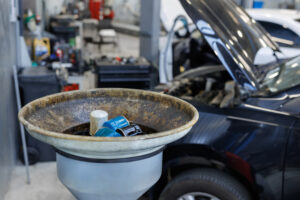
-
Proper Disposal: Professionals dispose of used oil safely and according to environmental regulations.
-
Full Inspection: Technicians check other vital components during the oil change, spotting potential issues early.
-
Quality Products: Access to high-quality oil and filters suited for your specific vehicle.
-
Warranty Protection: Ensures work is done correctly, protecting your vehicle’s warranty.
Conclusion: Prioritize Regular Oil Changes for a Healthy Engine
Regular oil changes are one of the most important maintenance tasks to keep your vehicle running smoothly and efficiently. The right oil change frequency depends on your car model, type of oil, driving conditions, and age of your vehicle. Following manufacturer recommendations and paying attention to your vehicle’s condition will help you avoid costly repairs and extend the life of your engine.
If you’re unsure about when to change your oil or want expert advice tailored to your vehicle, reach out to Carlson Auto. You can schedule your appointment at the Maplewood location here, or the Cottage Grove location here. Regular oil changes are a small investment that pays off in the long run with a healthier engine and improved performance.
Sources
-
Car and Driver – How Often Should You Change Your Oil?
https://www.caranddriver.com/research/a32862063/how-often-to-change-oil/ -
AAA – How Often Should You Change Your Oil?
https://www.aaa.com/autorepair/articles/how-often-should-you-change-your-oil -
Mobil 1 – When to Change Your Oil
https://www.mobil.com/en/lubricants/for-personal-vehicles/learning-center/oil-change-intervals -
Edmunds – Oil Change Intervals: How Often Should You Change Your Oil?
https://www.edmunds.com/car-maintenance/oil-change-intervals.html -
YourMechanic – How Often Should You Change Your Oil?
https://www.yourmechanic.com/article/how-often-should-you-change-your-oil -
U.S. Department of Energy – Maintaining Your Vehicle
https://afdc.energy.gov/files/u/publication/maintain_vehicles.pdf -
EPA – Used Oil Management
https://www.epa.gov/hw/used-oil-management