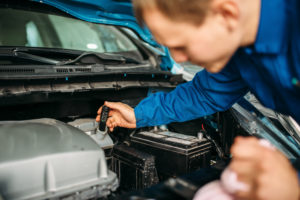
Inspecting your vehicle is always important. As the vibrant hues of summer gradually give way to the golden and crimson tones of autumn, it’s a signal that it’s time to prepare your vehicle for the challenges of the upcoming season. Fall presents a unique set of conditions, such as changing weather, falling leaves, and decreased daylight hours, which necessitate a thorough inspection of your car. By taking proactive steps now, you can ensure that your vehicle is in prime condition to handle whatever Mother Nature throws at it.
Inspecting your Car
- Check the Tires: Start your fall inspection by focusing on your vehicle’s tires. Ensure they have adequate tread depth and are properly inflated. As the roads can become slippery with falling leaves and occasional rain, having well-maintained tires is crucial for both safety and handling.
- Examine the Brakes: Properly functioning brakes are essential, especially during the slippery conditions that can occur in the fall. Have your brakes inspected for wear and tear and replace worn brake pads or discs as needed.
- Inspect the Lights: With the days getting shorter, it’s important to make sure all your lights are working correctly. Check the headlights, taillights, turn signals, and brake lights. Clean and replace bulbs as necessary to maintain good visibility.
- Monitor the Battery: Cold weather can put extra strain on your vehicle’s battery. Have it tested to ensure it has enough power to start the engine during the cooler months. If it’s old and weak, consider replacing it to avoid potential issues.
Other things the Check
- Change the Wiper Blades: Frequent rain and falling leaves can obstruct your view when driving in the fall. Make sure your wiper blades are in good condition and effectively clear your windshield. Replace them if they leave streaks or don’t clean properly.
- Inspect the Cooling System: As temperatures drop, your engine’s cooling system needs to be functioning optimally to prevent overheating and freezing. Check the coolant level and condition, and ensure the thermostat and radiator are in good working order.
- Clean and Inspect the HVAC System: As the weather turns colder, you’ll rely more on your car’s heating and defrosting systems. Have the HVAC system cleaned and inspected to ensure it works efficiently.
- Check the Oil and Fluids: Regular oil changes are essential for maintaining your engine’s health. Additionally, check other vital fluids like transmission fluid, power steering fluid, and brake fluid. Ensure all are at the correct levels and replace or top up as necessary.
- Inspect the Suspension and Steering: Fall’s changing road conditions require a stable and responsive suspension and steering system. Have these components inspected to ensure a smooth and safe ride.
- Keep an Emergency Kit: In case of unexpected incidents on the road, make sure your car is equipped with an emergency kit containing items like a flashlight, blankets, first-aid supplies, and non-perishable snacks.
By performing these fall car inspections and maintenance tasks, you can ensure your vehicle is ready to face the challenges of the season. It’s not only about safety but also about ensuring your car remains reliable and efficient. Preparing your vehicle for fall will give you peace of mind and make your journeys during this beautiful season more enjoyable.