Ensuring your vehicle’s tires are in good condition is crucial for safe driving and optimal performance. Worn or damaged tires can compromise your safety and lead to costly repairs. Recognizing when it’s time to replace your tires can prevent accidents and keep you safe on the road. Here are the top five signs your tires might need to be replaced:
1. Insufficient Tread Depth
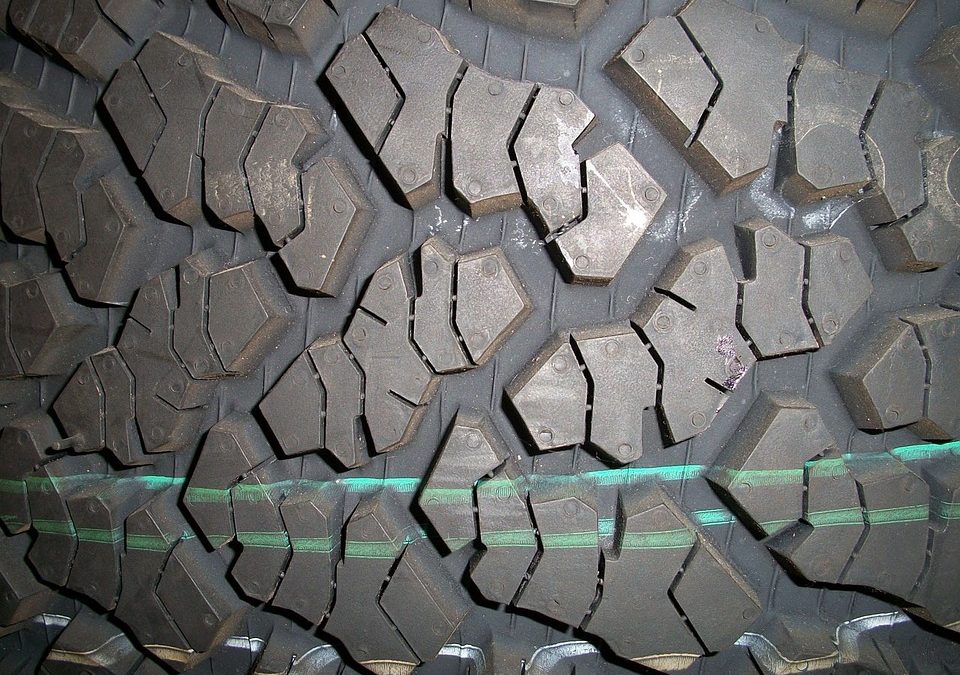
Tread depth is vital for maintaining traction, especially on wet or slippery roads. The legal minimum tread depth is 2/32 of an inch, but for better safety, consider replacing your tires when the tread depth reaches 4/32 of an inch. Use the penny test to check tread depth: insert a penny into the tread with Lincoln’s head facing down. If you can see the top of Lincoln’s head, it’s time to replace your tires.
2. Uneven Tire Wear
Uneven tire wear can indicate problems with alignment, suspension, or tire pressure. Check for signs of uneven wear, such as one side of the tire being more worn than the other or the center wearing down faster than the edges. Regularly rotating your tires and ensuring proper alignment can help prevent uneven wear, but if it occurs, it’s a sign that your tires may need replacing.
3. Cracks and Bulges
Inspect your tires for any visible cracks or bulges in the sidewalls. Cracks can develop due to aging, exposure to harsh elements, or impact with curbs and potholes. Bulges indicate that the internal structure of the tire is compromised, which can lead to a blowout. If you notice any cracks or bulges, it’s crucial to replace the affected tire immediately to ensure safety.
4. Excessive Vibration
While some vibration is normal, excessive or unusual vibration can indicate tire problems. This could be due to imbalanced tires, misalignment, or internal tire damage. If you experience persistent vibration, especially at higher speeds, have your tires inspected by a professional. Ignoring excessive vibration can lead to further damage and should be addressed promptly.
5. Tire Age
Tires degrade over time, regardless of mileage. The rubber compounds break down due to exposure to sunlight, temperature changes, and general wear and tear. Most manufacturers recommend replacing tires every six to ten years, even if they appear to be in good condition. Check the manufacture date on the sidewall of your tire—the last four digits of the DOT code indicate the week and year of production.
Being proactive about tire maintenance is essential for your safety and the performance of your vehicle. Recognizing the signs that your tires need to be replaced—such as low tread depth, uneven wear, cracks, bulges, excessive vibration, and tire age—can help you avoid accidents and costly repairs. Regular tire inspections and maintenance are crucial to ensure your vehicle remains safe and reliable.