Your vehicle’s suspension system does far more than keep your ride comfortable. It controls stability, traction, steering, braking efficiency, and how well your tires maintain contact with the road. When you start to notice clunks, pulling, uneven tire wear, vibrations, or a loose steering feel, these are often early signs of suspension issues developing underneath your vehicle.
Understanding suspension issues early can save you from expensive repairs, improve your vehicle’s safety, and extend the life of your tires and other components. In a climate like Minnesota—where potholes, ice damage, and brutal winters take a toll—paying attention to these signs becomes even more important.
This in-depth guide breaks down the most common suspension issues, what they mean, and when it’s time to schedule an inspection before a minor annoyance turns into a major repair.
Why Suspension Issues Matter More Than Drivers Think
Your suspension system includes shocks, struts, springs, control arms, bushings, ball joints, sway bars, and various mounts. These components all work together to keep your car stable.
When suspension issues begin to form, you may feel only slight changes at first, but those changes can quickly progress into:
– Poor handling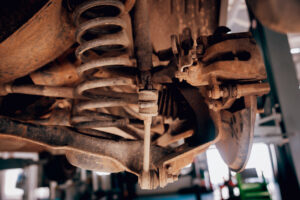
– Longer braking distances
– Uneven or rapid tire wear
– Loss of traction
– Steering difficulty
– Increased risk of losing control in emergency situations
Ignoring suspension issues doesn’t just lead to discomfort—it affects the safety of your vehicle and everyone in it.
Suspension Issue #1: Clunks, Knocks, and Banging Sounds
One of the most common symptoms of suspension issues is noise: clunking, knocking, thumping, or metallic banging. These noises typically occur when driving over bumps, turning, or accelerating.
What These Noises Usually Mean
Worn Control Arm Bushings
These rubber components cushion the control arms as they move. When they wear out, metal-to-metal contact creates clunks.
Failing Ball Joints
Ball joints connect the steering knuckle to the control arm. When loose, they cause knocking sounds and can be dangerous if ignored.
Loose Sway Bar Links
These small but important connectors stabilize your car during turns. When worn, they create rattles or clunks over bumps.
Broken or Weak Strut Mounts
If a strut mount fails, you may hear a heavy clunk when going over uneven road surfaces.
Ignoring clunks from suspension issues can lead to parts breaking completely—and in extreme cases, loss of steering control.
Suspension Issue #2: Vehicle Pulling to One Side
If your car pulls left or right while driving straight, it’s often related to suspension issues, alignment problems, or tire concerns.
Possible Causes
Worn Ball Joints or Control Arms
Worn components allow excessive wheel movement, shifting the vehicle’s direction.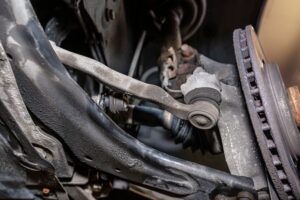
Collapsed or Weak Springs
Uneven ride height throws off alignment and causes pulling.
Worn Bushings
Loose bushings can cause the car to veer or wander at higher speeds.
Bent Suspension Components
Minnesota potholes can bend control arms or struts, causing the vehicle to drift.
Misalignment
Alignment and suspension issues go hand-in-hand. Worn parts often cause alignment to fall out of spec.
Why Pulling Shouldn’t Be Ignored
Pulling is a sign of deeper suspension issues that may not be visible. Even if the vehicle seems safe to drive, the underlying cause may be wearing your tires unevenly or stressing your steering system.
Suspension Issue #3: Uneven or Rapid Tire Wear
Tire wear patterns are one of the most reliable indicators of suspension issues.
Types of Tire Wear Linked to Suspension Issues
Inside/Outside Shoulder Wear
Often caused by sagging springs, worn ball joints, or incorrect camber related to suspension issues.
Cupping or Scalloping
Looks like dips or waves across the tire. This is a classic sign of worn shocks or struts.
Feathered Wear
Treads feel smooth in one direction and sharp in the other. Typically caused by improper toe alignment linked to worn suspension parts.
If suspension issues are not fixed, the cost of replacing tires repeatedly becomes far more expensive than addressing the root problem.
Suspension Issue #4: Excessive Bouncing or A Rough Ride
Your suspension is meant to absorb bumps and keep your vehicle stable. When that ability fades, you’ll feel more shaking, bouncing, and vibration.
Likely Causes
Worn Shocks or Struts
When they can no longer control suspension movement, your ride becomes bouncy or unstable.
Sagging Springs
If springs weaken, the vehicle may sit lower, bottom out, or bounce excessively.
Damaged Strut Bearings
These allow the front struts to turn smoothly. If damaged, they cause rough handling and vibration.
Perform the Bounce Test
Press down on the front or rear of your car and release:
– If it bounces more than twice, it’s a sign of worn shocks or struts and potential suspension issues.
Suspension Issue #5: Steering Wheel Vibration
Steering wheel vibration can come from several areas, but it is often linked to suspension issues.
Common Causes
– Worn tie rods
– Damaged ball joints
– Bent control arms
– Bad bushings
– Worn strut components
Vibrations at highway speeds are especially concerning. They signal a stability problem that could worsen quickly.
Suspension Issue #6: Nose Diving or Rear Squatting
When braking causes the front of the car to dip dramatically, it’s often linked to suspension issues such as worn shocks or struts.
Other Signs Include:
– Rear squatting when accelerating
– Excessive body roll when turning
– Poor braking response
These signs mean the suspension can no longer control movement effectively.
Why Minnesota Roads Accelerate Suspension Problems
Minnesota drivers face harsher conditions than many other states, including:
– Freeze-thaw cycles
– Potholes
– Road salt corrosion
– Rough winter roads
Because of this, suspension issues appear more frequently and progress more quickly.
Routine inspections can catch problems early—long before they affect your safety or turn into costly repairs.
When to Get Help with Suspension Issues
If you notice any of the following, it’s time for a professional inspection:
– New clunking or knocking sounds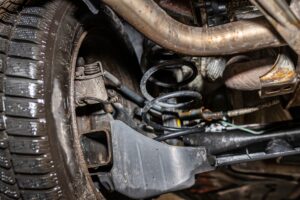
– Vehicle pulling or drifting
– Uneven tire wear
– Bouncing or swaying
– Steering wheel vibration
– Change in ride height
– Poor handling in turns
Suspension issues never improve on their own. Addressing them early ensures your vehicle stays safe, smooth, and reliable year-round.
Conclusion: Stop Suspension Issues Before They Become Costly
Your suspension system works hard to keep your vehicle stable and safe, especially on Minnesota’s unpredictable roads. Understanding the common signs of suspension issues—clunks, pulling, uneven wear, vibrations, and poor handling—helps you catch problems early and avoid expensive repairs.
If your car is showing any symptoms of suspension issues, Carlson Auto Service is here to help. Our ASE-certified technicians can diagnose worn parts, correct alignment problems, inspect shocks and struts, and restore your vehicle’s handling and safety.
Contact us today at our Maplewood location here, or schedule at our Cottage Grove location here, to schedule a suspension inspection and get your vehicle driving smoothly again.
Further Reading (Sources)
Car Suspension Basics: https://www.nhtsa.gov
Signs of Suspension Problems: https://www.cars.com/articles
Tire Wear Indicators: https://www.tirerack.com/tires/tiretech