 Having tire inspections done are an essential part of vehicle maintenance to ensure safety and optimal performance on the road. By inspecting your car’s tires regularly, you can identify potential issues and address them promptly. Here are three simple steps to help you inspect your tires effectively.
Looking for War and Damage
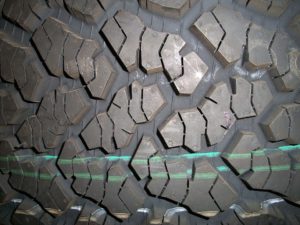
Firstly, visually examine each tire for any signs of damage or wear. Look for cuts, bulges, or cracks on the sidewalls, as they can indicate potential tire failures. Check for uneven wear patterns across the tire surface, which may suggest alignment or suspension issues. Additionally, make sure the tire tread is in good condition. Use a tread depth gauge or the “penny test” to measure the tread depth. Insert a penny into the tread grooves with Lincoln’s head upside down. If you can see the top of Lincoln’s head, it indicates that the tread is worn and the tire needs to be replaced.
Air Pressure during Tire Inspections
Secondly, check the tire pressure regularly. Proper tire inflation is crucial for safety, fuel efficiency, and tire longevity. Use a tire pressure gauge to measure the air pressure in each tire. Refer to your vehicle’s manual or the sticker on the driver’s side door jamb for the recommended tire pressure. If the pressure is too low, add air until it reaches the proper level. If it’s too high, release air until it matches the recommended pressure. It’s important to check the tire pressure when the tires are cold, as driving or exposure to heat can cause the pressure to increase and provide inaccurate readings.
Lastly, inspect the tire valves and valve stems. Ensure they are in good condition without any cracks or leaks. Faulty valves or stems can lead to slow leaks or sudden tire deflation. If you notice any issues, it’s advisable to have them replaced by a professional.
Remember, regular tire maintenance goes beyond inspection. Rotate your tires regularly to promote even wear and prolong their lifespan. Consider having your tires balanced and aligned periodically to ensure proper handling and a smooth ride.
By following these simple steps and conducting regular tire inspections, you can keep your tires in good condition, ensuring safety, optimal performance, and longevity. If you’re uncertain about the condition of your tires or notice any abnormalities, it’s always best to consult a professional for a thorough inspection. Proper tire care is vital for a safe and comfortable driving experience.