What That Noise Means (Grinding, Knocking, Squealing)
Hearing a strange sound coming from your vehicle can be stressful, especially if you’re not sure what’s causing it. Understanding what that noise means is one of the most important ways to catch problems early and avoid costly repairs. Vehicles are designed to run relatively smoothly and quietly, so when unusual sounds appear, it’s often a sign that something needs attention.
Whether it’s grinding, knocking, or squealing, each type of noise points to a different issue. Knowing what that noise means helps you act quickly, protect your vehicle, and stay safe on the road.
Why Car Noises Matter
Every sound your vehicle makes provides clues about its condition. When components begin to wear out or fail, they often produce noticeable noises before completely breaking down.
Ignoring what that noise means can lead to:
- Increased repair costs
- Reduced performance
- Safety risks
- Additional damage to surrounding components
Catching the problem early often means a simpler and less expensive repair.
Grinding Noises: A Serious Warning
Grinding is one of the most concerning sounds a vehicle can make. If you’re trying to understand what that noise means, grinding usually signals metal-on-metal contact, which should never happen during normal operation.
Common Causes of Grinding
Worn Brake Pads
One of the most common reasons for grinding is worn brake pads. When the friction material wears down completely, the metal backing plate presses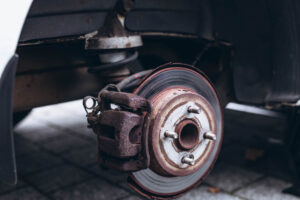 against the rotor.
Damaged Rotors
Grooved or warped rotors can also create a grinding sensation when braking.
Transmission Issues
Grinding when shifting gears, especially in manual vehicles, may indicate transmission wear or clutch problems.
Wheel Bearing Failure
A failing wheel bearing can produce a grinding or growling sound that gets louder with speed.
When Grinding Happens
- During braking: Likely brake-related
- While driving: Could be bearings or drivetrain
- When shifting: Often transmission-related
If you hear grinding, it’s critical to address it immediately. Waiting too long can lead to severe damage.
Knocking Sounds: Engine Trouble Warning
Knocking noises are often associated with engine performance issues. If you’re wondering what that noise means when you hear a knocking sound, it could indicate improper combustion or internal engine wear.
Common Causes of Knocking
Engine Knock (Detonation)
This occurs when fuel burns unevenly in the cylinder, creating a knocking or pinging sound.
 Low-Quality Fuel
Using fuel with too low of an octane rating can lead to knocking under load.
Worn Engine Components
Rod knock, caused by worn bearings, is a more serious issue that requires immediate attention.
Carbon Buildup
Excess carbon deposits in the combustion chamber can disrupt proper ignition timing.
When Knocking Happens
- During acceleration: Often fuel or combustion-related
- At idle: Possible internal engine wear
- Under load: Could indicate serious engine stress
Understanding what that noise means in this case is important, as engine-related issues can escalate quickly.
Squealing Sounds: High-Pitched Warnings
Squealing noises are usually high-pitched and may occur intermittently or constantly. While not always as urgent as grinding, they still signal a problem that needs attention.
Common Causes of Squealing
Worn Brake Pads
Brake pads often include wear indicators that create a squealing sound when replacement is needed.
Serpentine Belt Wear
A worn or loose serpentine belt can squeal, especially when starting the engine or using accessories.
Pulley or Tensioner Issues
Misaligned or worn pulleys can cause belt noise.
Moisture or Debris
Temporary squealing can occur due to moisture on brake components, especially in the morning.
When Squealing Happens
- When braking: Likely brake wear indicator
- On startup: Belt-related issue
- While driving: Possible pulley or belt alignment issue
Even if the sound seems minor, understanding what that noise means can help prevent future breakdowns.
Other Common Vehicle Noises to Watch For
While grinding, knocking, and squealing are among the most common, other sounds may also indicate issues.
Clicking
Often related to CV joints, especially when turning.
Humming
Can indicate tire wear or wheel bearing issues.
Rattling
Loose components, exhaust system issues, or worn mounts may cause rattling.
Each sound contributes to understanding what that noise means and how serious the issue might be.
How to Identify Where the Noise Is Coming From
Pinpointing the source of a noise can help speed up diagnosis.
Ask yourself:
- Does it happen when braking, accelerating, or idling?
- Does the noise change with speed?
- Is it coming from the front, rear, or under the hood?
- Is it constant or intermittent?
These observations can help a technician determine what that noise means more quickly.
Why You Shouldn’t Ignore Unusual Noises
Ignoring unusual sounds can lead to:
- More expensive repairs
- Safety hazards
- Breakdown risks
- Additional component damage
For example, a simple brake pad replacement can turn into a full rotor replacement if ignored too long.
Understanding what that noise means allows you to act early and avoid unnecessary expenses.
How Professionals Diagnose Car Noises
A technician will typically:
- Perform a visual inspection
- Test drive the vehicle
- Check brake components
- Inspect belts and pulleys
- Evaluate engine and transmission systems
This process ensures the exact cause is identified and repaired properly.
Preventing Vehicle Noises
Routine maintenance is key to avoiding many of these issues.
Helpful tips include:
- Replacing brake pads before they wear out
- Inspecting belts regularly
- Keeping up with oil changes
- Addressing small issues before they worsen
Preventive care reduces the likelihood of unexpected noises and costly repairs.
Conclusion: Don’t Ignore What That Noise Means
Unusual sounds are your vehicle’s way of telling you something isn’t right. Whether it’s grinding, knocking, or squealing, understanding what that noise means can help you take action before the problem becomes more serious.
If you’ve noticed new or unusual sounds coming from your vehicle, it’s important to have it inspected as soon as possible. Addressing the issue early can save you money, improve performance, and keep you safe on the road.
To get your vehicle checked, you can schedule service at our Maplewood location or our Cottage Grove location. Our experienced technicians will diagnose what that noise means and provide the necessary repairs to keep your vehicle running smoothly and reliably.
Further Reading
Car Noises and What They Mean – Consumer Reports
https://www.consumerreports.org/cars/car-maintenance/car-noises-and-what-they-mean/
Brake Noise Guide – AAA
https://www.aaa.com/autorepair/articles/brake-noises-what-do-they-mean
Engine Knocking Explained – Car Care Council
https://www.carcare.org