When Is It Time to Change Your Brakes?
Your vehicle’s braking system is one of its most important safety features. Every time you slow down or come to a stop, your brakes help keep you, your passengers, and everyone else on the road safe. Because they work so hard, brake components naturally wear over time. This leads many drivers to ask, “when is it time to change your brakes?”
The answer isn’t always based on mileage alone. Driving habits, road conditions, vehicle type, and maintenance all affect how long your brakes last. Knowing the warning signs can help you replace worn brake components before they compromise your safety or lead to more expensive repairs.
In this guide, we’ll explain when is it time to change your brakes, what symptoms to watch for, and why routine brake inspections are one of the best ways to protect your vehicle.
Why Your Brakes Wear Out
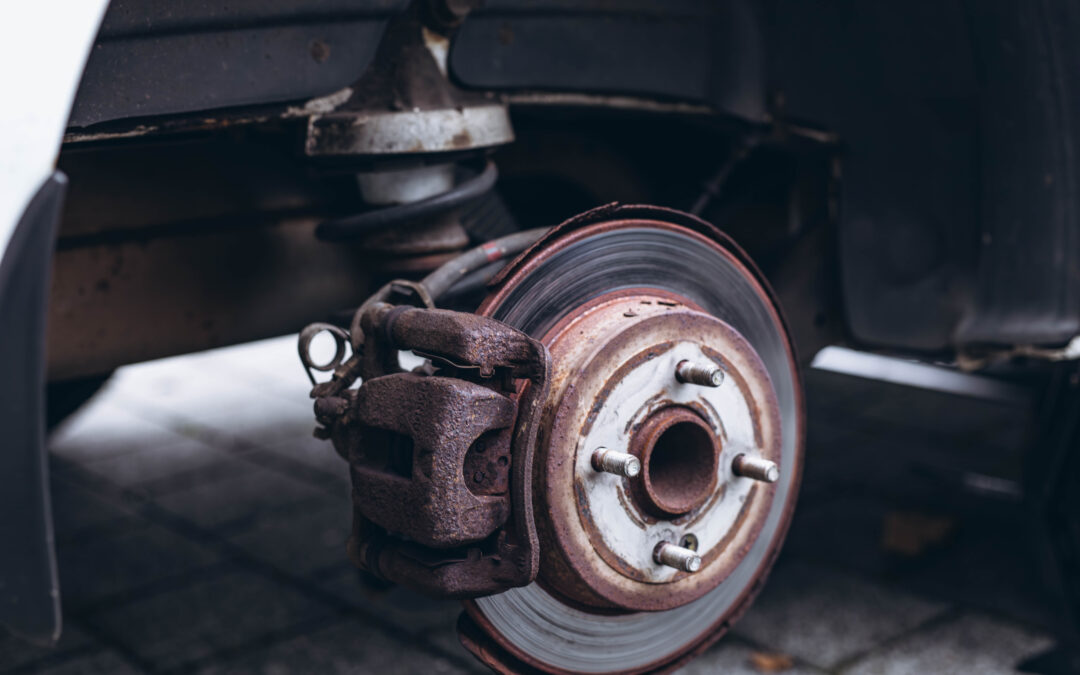
Every time you press the brake pedal, brake pads create friction against the brake rotors to slow your vehicle. That friction gradually wears away the brake pad material.
Eventually, the pads become too thin to safely stop your vehicle.
Although brake pads are designed to wear, replacing them before they become excessively worn helps protect other braking components and keeps stopping performance at its best.
How Long Do Brake Pads Usually Last?
One of the first questions people ask after wondering when is it time to change your brakes is how long brake pads typically last.
While every vehicle is different, brake pads often last between:
- 30,000 and 70,000 miles
However, several factors influence brake life, including:
- City driving versus highway driving
- Vehicle weight
- Driving habits
- Road conditions
- Brake pad material
Drivers who frequently stop in heavy traffic generally wear through brake pads more quickly than those who spend most of their time on highways.
Common Signs It’s Time to Change Your Brakes
1. Squeaking or Squealing Noises
One of the earliest answers to when is it time to change your brakes is hearing a high-pitched squeal when braking.
Many brake pads include built-in wear indicators designed to make noise when the pads become thin.
If you notice:
- High-pitched squealing
- Consistent squeaking while braking
it’s a good idea to schedule a brake inspection.
2. Grinding Sounds
Grinding is a much more serious warning sign.
Grinding often means the brake pads have worn completely through, allowing metal components to contact the brake rotor.
This can result in:
- Rotor damage
- Reduced stopping ability
- Significantly higher repair costs
If your brakes are grinding, they should be inspected immediately.
3. Longer Stopping Distances
If your vehicle takes longer to stop than it used to, worn brake components could be responsible.
You may notice:
- Increased stopping distance
- Reduced braking confidence
- Brake pedal requiring more pressure
This symptom should never be ignored.
4. Brake Pedal Feels Different
 Changes in brake pedal feel can also answer the question, when is it time to change your brakes.
Watch for:
- Soft brake pedal
- Spongy pedal feel
- Brake pedal sinking toward the floor
- Excessive pedal travel
These symptoms may indicate worn brakes or hydraulic system problems.
5. Steering Wheel Vibration While Braking
If your steering wheel shakes whenever you slow down, worn or warped brake rotors may be the cause.
Brake vibration often becomes more noticeable:
- At highway speeds
- During harder braking
- On long downhill grades
Although vibration isn’t always caused by worn brake pads, it should still be inspected promptly.
6. Brake Warning Light
Many modern vehicles include brake system warning lights.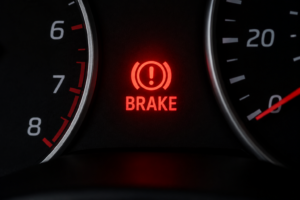
If a warning light appears on your dashboard, your vehicle should be inspected as soon as possible.
Warning lights may indicate:
- Worn brake pads
- Low brake fluid
- ABS system issues
- Other brake system faults
7. Visible Thin Brake Pads
In many vehicles, you can visually inspect the brake pads through the wheel.
If the friction material appears very thin, replacement is likely needed.
Routine inspections during tire rotations or oil changes often catch this before other symptoms appear.
Why Waiting Too Long Can Become Expensive
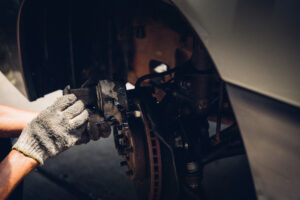 When people ask when is it time to change your brakes, they’re often trying to avoid replacing pads too early.
However, waiting too long usually costs more.
Replacing brake pads is generally much less expensive than replacing:
- Brake rotors
- Brake calipers
- Additional braking components
Addressing worn brake pads early often prevents damage to the rest of the braking system.
What Causes Brakes to Wear Faster?
Brake wear isn’t the same for every driver.
Several factors can shorten brake life.
Frequent Stop-and-Go Driving
City traffic requires constant braking.
The more often your brakes are used, the faster they wear.
Aggressive Driving
Hard braking creates more heat and friction.
Drivers who brake aggressively often replace brake pads much sooner.
Heavy Loads
Carrying heavy cargo or towing trailers increases braking demands.
More weight means your brakes must work harder.
Mountain Driving
Long downhill grades generate significant heat, accelerating brake wear.
Poor Brake Maintenance
Ignoring small brake problems can allow wear to progress much faster than normal.
Should You Replace Brake Pads and Rotors Together?
Not always.
Brake pads and rotors wear at different rates.
A technician will inspect:
- Rotor thickness
- Rotor condition
- Brake pad thickness
- Heat damage
- Surface wear
Sometimes only the brake pads require replacement.
Other times, replacing both pads and rotors provides the safest and most cost-effective repair.
How Often Should Brakes Be Inspected?
Even if you aren’t experiencing symptoms, routine brake inspections are recommended.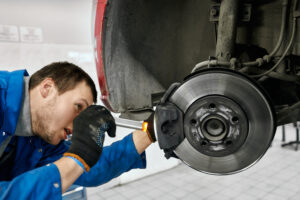
Many repair shops inspect brakes during:
- Oil changes
- Tire rotations
- Seasonal maintenance visits
Regular inspections help identify wear before it affects safety.
Can Driving Habits Extend Brake Life?
Absolutely.
Simple changes can help your brakes last longer.
These include:
- Leaving extra following distance
- Braking gradually instead of suddenly
- Avoiding unnecessary hard stops
- Reducing vehicle weight when possible
These habits reduce heat and friction, extending brake component life.
What Happens During a Brake Inspection?
A professional brake inspection involves much more than simply looking at the brake pads.
Technicians typically inspect:
- Brake pads
- Brake rotors
- Brake calipers
- Brake fluid
- Brake hoses
- Hardware
- ABS components when necessary
This comprehensive inspection helps identify issues before they become safety concerns.
Can Worn Brakes Affect Fuel Economy?
While worn brakes don’t directly reduce fuel economy like engine issues do, dragging brake components can increase rolling resistance.
Additionally, damaged braking components may create unnecessary friction, causing your vehicle to work harder.
Maintaining your braking system contributes to smoother, more efficient operation.
Why Routine Brake Maintenance Matters
Your brakes are one of the few vehicle systems you rely on every time you drive.
Routine maintenance helps:
- Improve stopping performance
- Protect expensive components
- Increase safety
- Extend brake life
- Reduce repair costs
Waiting until the brakes fail completely puts unnecessary strain on the entire braking system.
Conclusion
If you’ve been wondering when is it time to change your brakes, the answer depends on several factors including mileage, driving habits, and the condition of your braking system. Paying attention to warning signs like squeaking, grinding, longer stopping distances, or brake pedal changes can help you address problems before they become more serious.
Regular brake inspections are one of the easiest ways to keep your vehicle safe and avoid unnecessary repair costs. Replacing worn brake pads at the right time helps protect your rotors, improves stopping performance, and gives you greater confidence every time you get behind the wheel.
If you’ve noticed signs of brake wear or it’s been a while since your last brake inspection, now is the perfect time to have your braking system checked. You can contact us here to schedule service at our Maplewood location or contact us here to schedule service at our Cottage Grove location. Our experienced technicians can inspect your brakes, explain their condition, and recommend the right repairs to help keep you safe on the road.
Further Reading
- Car Care Council – Car Care Guide
https://www.carcare.org/car-care-guide/ - National Highway Traffic Safety Administration – Brake Safety
https://www.nhtsa.gov/road-safety - AAA Exchange – Brake Maintenance and Repair
https://exchange.aaa.com/automotive/repair/