Why Is My Car Overheating?
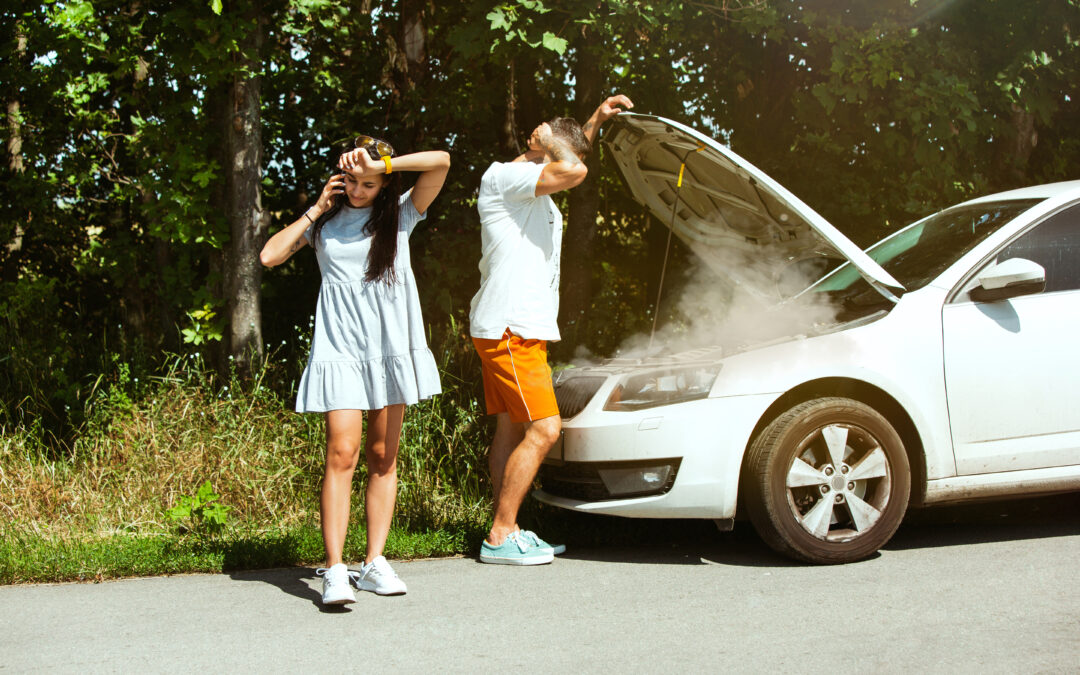
Few dashboard warnings are as alarming as seeing your temperature gauge climb into the red or receiving an engine temperature warning light. If you’ve found yourself asking, “why is my car overheating,” it’s important to take the issue seriously. An overheating engine is more than an inconvenience. If left unchecked, it can lead to severe engine damage and expensive repairs.
Your vehicle’s cooling system is designed to regulate engine temperature under a wide range of driving conditions. When one component fails or coolant can no longer circulate properly, engine temperatures rise quickly. Understanding what causes overheating can help you recognize the warning signs early and avoid turning a relatively minor repair into a major one.
In this guide, we’ll explain why is my car overheating, what components are commonly responsible, and what you should do if your engine starts running too hot.
Why Your Engine Needs a Cooling System
Before discussing why is my car overheating, it’s helpful to understand how your cooling system works.
As your engine runs, it generates tremendous amounts of heat. Without a cooling system, engine temperatures would quickly reach levels capable of damaging internal components.
The cooling system works by circulating coolant through the engine and radiator, where heat is transferred away before the coolant is recirculated.
Major cooling system components include:
- Radiator
- Water pump
- Thermostat
- Cooling fans
- Radiator hoses
- Coolant
- Pressure cap
If any of these components fail, overheating can occur.
Common Reasons Why Your Car Is Overheating
1. Low Coolant Level
One of the most common answers to why is my car overheating is simply low coolant.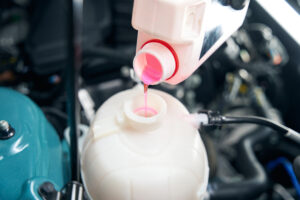
Coolant absorbs engine heat and carries it to the radiator. When coolant levels become too low, the system cannot remove heat efficiently.
Coolant levels may drop because of:
- Leaks
- Evaporation over time
- Poor maintenance
- Cooling system damage
Low coolant should never be ignored because it usually indicates another underlying problem.
2. Coolant Leaks
Cooling systems are designed to remain sealed.
Leaks can develop in:
- Radiator hoses
- Radiator
- Water pump
- Heater core
- Hose connections
- Gaskets
Signs of a coolant leak include:
- Puddles beneath the vehicle
- Sweet smell near the engine
- Frequently adding coolant
- Visible coolant residue
A leaking cooling system is one of the leading causes of engine overheating.
3. Faulty Thermostat
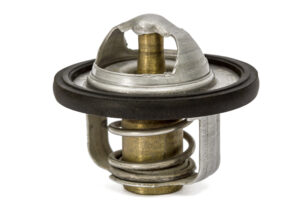 The thermostat regulates coolant flow between the engine and radiator.
If it becomes stuck closed:
- Coolant cannot circulate properly.
- Heat remains trapped inside the engine.
- Engine temperature rises rapidly.
A failed thermostat often causes sudden overheating even when coolant levels are normal.
4. Radiator Problems
The radiator removes heat from the coolant before it returns to the engine.
Problems may include:
- Internal blockages
- External debris buildup
- Damaged cooling fins
- Corrosion
Restricted airflow or clogged coolant passages reduce the radiator’s ability to cool the engine effectively.
5. Water Pump Failure
The water pump keeps coolant moving through the system.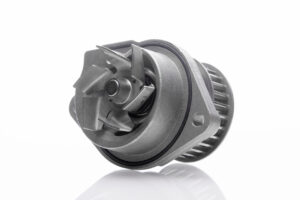
When it begins to fail, coolant circulation slows or stops completely.
Common symptoms include:
- Engine overheating
- Coolant leaks near the pump
- Grinding or whining noises
- Steam from under the hood
Without proper coolant circulation, overheating often happens quickly.
6. Cooling Fan Problems
Many vehicles rely on electric cooling fans to pull air through the radiator, especially when idling or driving slowly.
If the fan fails because of:
- Bad motor
- Faulty relay
- Blown fuse
- Electrical problems
the radiator may not receive enough airflow to cool the engine.
Drivers often notice overheating while sitting in traffic but not while driving at highway speeds.
7. Damaged Radiator Hoses
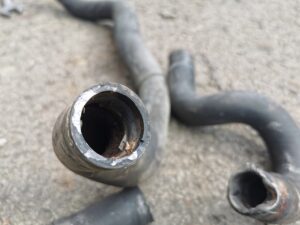 Radiator hoses transport coolant throughout the cooling system.
Over time they can:
- Crack
- Swell
- Collapse
- Leak
A damaged hose can quickly reduce coolant levels or restrict coolant flow.
Routine hose inspections help catch these problems early.
8. Bad Radiator Cap
The radiator cap maintains proper system pressure.
If it no longer seals correctly:
- Coolant may boil at lower temperatures.
- Pressure escapes.
- Cooling efficiency decreases.
Although inexpensive, a faulty radiator cap can contribute to overheating.
Warning Signs Your Engine Is Overheating
Besides a rising temperature gauge, several symptoms often appear before serious engine damage occurs.
Watch for: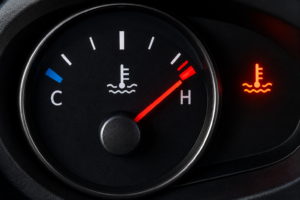
- Steam coming from under the hood
- Temperature warning light
- Sweet coolant smell
- Reduced heater performance
- Visible coolant leaks
- Engine running rough
Recognizing these symptoms early may help prevent major repairs.
What Should You Do If Your Car Starts Overheating?
If your temperature gauge begins climbing or a warning light appears:
Turn Off the Air Conditioner
Running the AC adds additional load to the engine.
Turning it off reduces heat production.
Turn the Heater On
Although uncomfortable during warm weather, turning the heater on helps pull heat away from the engine.
Pull Over Safely
If temperatures continue rising:
- Pull over as soon as it’s safe.
- Turn off the engine.
- Allow the engine to cool completely.
Never continue driving with an overheating engine if you can safely stop.
Never Remove the Radiator Cap While Hot
Cooling systems remain under pressure after the engine is shut off.
Removing the radiator cap too soon can cause extremely hot coolant to spray out, resulting in serious burns.
Always allow the engine to cool before opening the cooling system.
Can You Drive an Overheating Vehicle?
The short answer is no.
Continuing to drive while your engine is overheating can result in:
- Blown head gasket
- Warped cylinder head
- Cracked engine block
- Complete engine failure
What begins as a relatively inexpensive cooling system repair can quickly turn into an engine replacement.
How Mechanics Diagnose Overheating Problems
Because multiple components can cause overheating, diagnosis involves inspecting the entire cooling system.
A technician may:
- Pressure test the cooling system
- Check coolant levels
- Inspect hoses
- Test the thermostat
- Evaluate water pump operation
- Verify cooling fan function
- Inspect the radiator
Proper diagnosis ensures the true cause is repaired rather than simply treating the symptoms.
Can Regular Maintenance Prevent Overheating?
In many cases, yes.
Routine cooling system maintenance greatly reduces the risk of overheating.
Recommended maintenance includes:
- Checking coolant levels regularly
- Replacing coolant according to manufacturer recommendations
- Inspecting hoses for wear
- Replacing worn belts
- Inspecting the radiator
- Addressing small leaks promptly
Preventative maintenance is almost always less expensive than repairing an overheated engine.
Why Overheating Should Never Be Ignored
Many drivers hope an overheating engine is a temporary issue that will go away.
Unfortunately, overheating almost always becomes worse over time.
Ignoring high engine temperatures can result in:
- Engine damage
- Increased repair costs
- Vehicle breakdowns
- Reduced reliability
The sooner the problem is identified, the better the chances of preventing major repairs.
Why Professional Cooling System Inspections Matter
Cooling systems contain several interconnected components.
Replacing the wrong part can waste time and money while the real problem continues.
A professional inspection helps identify:
- Coolant leaks
- Thermostat failures
- Water pump issues
- Radiator restrictions
- Cooling fan problems
- Pressure loss
Finding the root cause ensures your cooling system performs properly under all driving conditions.
Conclusion
If you’ve been asking why is my car overheating, the cause could be anything from low coolant or a leaking hose to a failing water pump, thermostat, radiator, or cooling fan. While some cooling system problems begin gradually, they can quickly lead to serious engine damage if ignored.
The good news is that many overheating issues can be diagnosed and repaired before they result in expensive engine repairs. Paying attention to warning signs like rising temperatures, coolant leaks, steam, or dashboard warning lights can help you address the problem before it leaves you stranded.
If your vehicle has been running hotter than normal or you’ve experienced an overheating warning, don’t wait for the problem to get worse. You can contact us here to schedule service at our Maplewood location or contact us here to schedule service at our Cottage Grove location. Our experienced technicians can inspect your cooling system, identify the cause of the overheating, and help keep your vehicle running safely and reliably.
Further Reading
Car Care Council – Car Care Guide
https://www.carcare.org/car-care-guide/
National Highway Traffic Safety Administration – Vehicle Safety
https://www.nhtsa.gov/road-safety/vehicle-safety
AAA Exchange – Automotive Repair Resources
https://exchange.aaa.com/automotive/repair/