Why Is My Check Engine Light On?
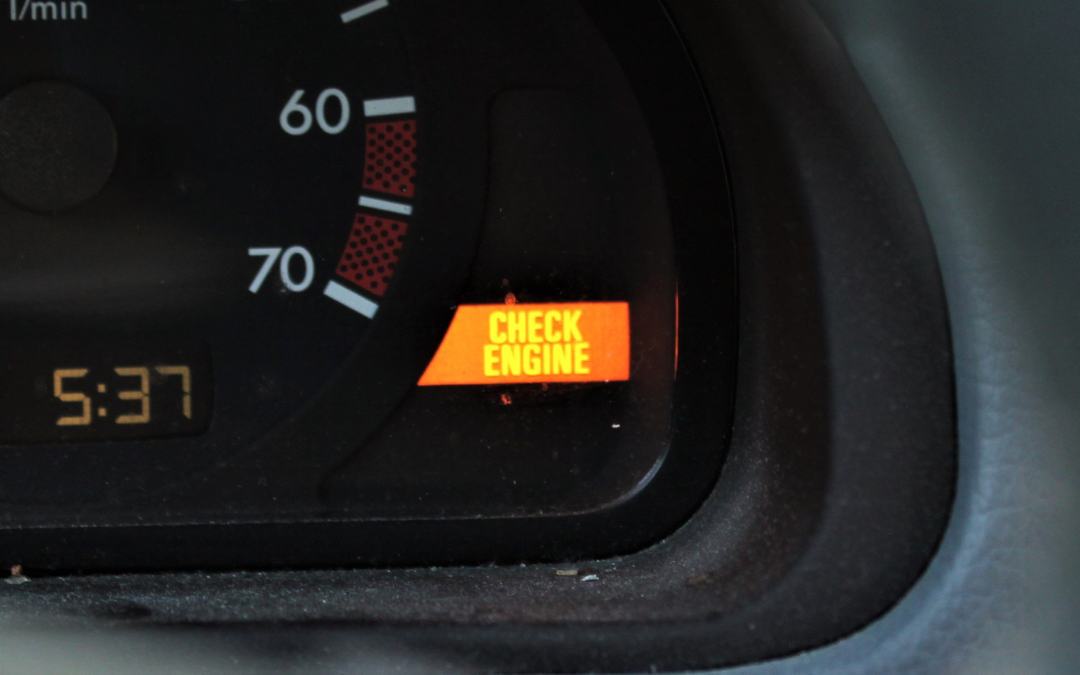
Few things make drivers more anxious than seeing the check engine light suddenly appear on the dashboard. One minute everything seems normal, and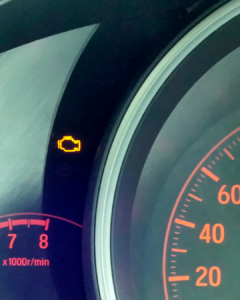 the next you’re wondering, “why is my check engine light on?” The truth is, your vehicle’s check engine light can come on for many different reasons, ranging from something simple to a serious mechanical issue.
Modern vehicles are equipped with onboard diagnostic systems designed to monitor engine performance, emissions systems, and other vital components. When the system detects something operating outside of normal parameters, it triggers the check engine light to alert you that attention is needed.
Understanding what causes the light to come on and how serious the issue may be can help you avoid unnecessary stress, prevent further damage, and keep your vehicle running properly.
What Does the Check Engine Light Mean?
Before diving deeper into why is my check engine light on, it’s important to understand what the light actually represents.
Your check engine light is connected to your vehicle’s onboard diagnostics system, often referred to as OBD-II. Sensors throughout the vehicle constantly monitor engine operation, fuel systems, emissions, ignition timing, and more.
When the system detects a fault:
- It stores a diagnostic trouble code
- Activates the check engine light
- Alerts the driver that something needs attention
The light itself does not tell you exactly what’s wrong. It simply indicates that the system has identified an issue that should be diagnosed.
Common Reasons Why Your Check Engine Light Is On
1. Loose or Faulty Gas Cap
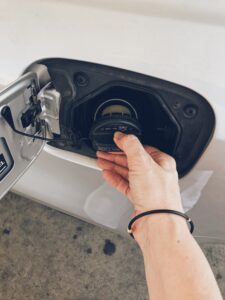 One of the most common answers to why is my check engine light on is also one of the simplest.
A loose, cracked, or damaged gas cap can allow fuel vapors to escape, triggering the emissions system warning.
Signs this may be the issue:
- The light appears shortly after fueling
- No noticeable performance problems
- Fuel smell near the vehicle
Sometimes tightening or replacing the gas cap resolves the issue after several driving cycles.
2. Faulty Oxygen Sensor
Your oxygen sensor measures the amount of oxygen in the exhaust system and helps regulate fuel mixture.
When the sensor fails:
- Fuel efficiency drops
- Engine performance may suffer
- Emissions increase
A bad oxygen sensor is a very common reason drivers ask why is my check engine light on.
Ignoring this issue can eventually damage other components like the catalytic converter.
3. Failing Catalytic Converter
The catalytic converter helps reduce harmful emissions from your vehicle.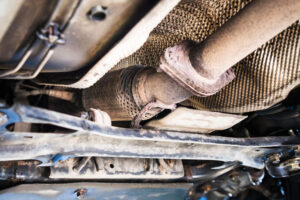
If it begins to fail, you may notice:
- Poor acceleration
- Reduced fuel economy
- Rotten egg smell from exhaust
- Engine performance issues
Catalytic converter repairs can become expensive, which is why early diagnosis matters.
4. Bad Spark Plugs or Ignition Coils
Spark plugs and ignition coils play a major role in engine combustion.
When these components wear out, your engine may:
- Misfire
- Idle roughly
- Struggle during acceleration
- Trigger the check engine light
This is another very common reason behind why is my check engine light on.
5. Mass Airflow Sensor Problems
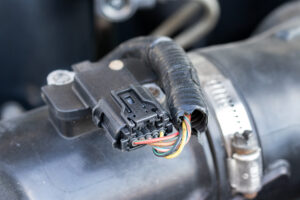 The mass airflow sensor monitors the amount of air entering the engine.
If it fails, the engine may struggle to maintain proper fuel mixture.
Symptoms include:
- Rough idling
- Hesitation during acceleration
- Reduced fuel economy
- Difficulty starting
6. Emissions System Issues
Many check engine light problems are related to emissions components.
Potential causes include:
- EVAP system leaks
- Faulty purge valves
- Emissions sensor failures
Even though emissions-related problems may not immediately affect drivability, they should still be diagnosed promptly.
7. Engine Misfires
Engine misfires occur when one or more cylinders fail to combust properly.
Misfires can cause:
- Shaking or vibration
- Loss of power
- Poor acceleration
- Flashing check engine light
A flashing check engine light often indicates a more severe issue that should not be ignored.
What Does a Flashing Check Engine Light Mean?
Many drivers wonder if there’s a difference between a solid light and a flashing one.
A solid check engine light usually means:
- The issue should be inspected soon
- The vehicle may still drive normally
A flashing check engine light is more urgent and can indicate:
- Severe engine misfire
- Risk of catalytic converter damage
- Immediate repair needs
If the light is flashing, it’s best to avoid driving the vehicle until it has been inspected.
Can You Still Drive With the Check Engine Light On?
The answer depends on the cause.
If your vehicle seems to drive normally and the light is solid, you may be able to continue driving temporarily. However, ignoring the issue for too long can lead to more expensive repairs later.
You should stop driving and seek immediate service if:
- The light is flashing
- The engine runs rough
- You notice smoke or burning smells
- The vehicle loses power
When drivers ask why is my check engine light on, the biggest mistake is assuming the problem will simply go away on its own.
Why Diagnostic Testing Matters
Because the check engine light can be triggered by dozens of different issues, proper diagnostic testing is essential.
A professional technician can:
- Read diagnostic trouble codes
- Inspect related systems
- Identify the root cause
- Recommend necessary repairs
Simply resetting the light without fixing the underlying issue usually causes the warning to return.
How Ignoring the Check Engine Light Can Lead to Bigger Problems
Many vehicle owners continue driving for weeks or months after the check engine light appears. While some issues may start small, they can worsen over time.
Ignoring the warning may lead to:
- Reduced fuel economy
- Engine damage
- Failed emissions testing
- More expensive repairs later
The sooner the issue is diagnosed, the better your chances of avoiding major repair costs.
How to Prevent Check Engine Light Issues
Not every issue can be prevented, but routine maintenance significantly reduces the likelihood of warning lights appearing unexpectedly.
Helpful preventative maintenance includes:
- Regular oil changes
- Replacing spark plugs as recommended
- Keeping up with tune-ups
- Addressing small issues early
- Using quality fuel and parts
Staying proactive helps your vehicle run more efficiently and reliably.
Common Misconceptions About the Check Engine Light
“It’s probably nothing serious.”
Sometimes it is minor, but sometimes it isn’t. There’s no way to know without proper diagnostics.
“If the car still drives fine, I can ignore it.”
Many problems worsen gradually before obvious symptoms appear.
“Disconnecting the battery fixes it.”
Resetting the light does not repair the actual issue causing it.
The Importance of Early Diagnosis
The longer a problem is ignored, the greater the risk of damage spreading to additional systems.
For example:
- A failing oxygen sensor can damage the catalytic converter
- Misfires can damage engine components
- Emissions issues can affect fuel economy
Addressing issues early is almost always less expensive than waiting until symptoms become severe.
Conclusion
If you’ve been asking yourself why is my check engine light on, the most important thing to remember is that your vehicle is trying to warn you about a problem before it becomes more serious. In some cases the issue may be minor, but other times it can lead to reduced performance, expensive repairs, or even long-term engine damage if ignored.
Whether the cause is a loose gas cap, failing sensor, ignition issue, or something more complex, having the problem properly diagnosed is the best way to protect your vehicle and avoid unnecessary stress down the road.
If your check engine light is on and you’re ready to have your vehicle inspected by a trusted professional, you can contact us here to schedule service at our Maplewood location or contact us here to schedule service at our Cottage Grove location. Our team can help identify the issue and get you back on the road with confidence.
Further Reading
- National Highway Traffic Safety Administration
https://www.nhtsa.gov/road-safety/vehicle-safety - Car Care Council
https://www.carcare.org/car-care-guide/ - AAA Automotive Repair Information
https://exchange.aaa.com/automotive/repair/